China Double Shaft Shredder Factory
Explore double-shaft shredding for initial size reduction and preparation of suitable bulky feed. Match the cutter arrangement and drive to your material, and plan a second stage when your process needs a tighter output size.
On This Page
Describe the Starting Feed
Send the material type, largest dimensions and the condition in which it will be loaded. Declare reinforcement, contamination and mixed feed so the proposed configuration can be reviewed accurately.
Describe the bulkiest and most difficult pieces in your feed as well as the typical load. How material arrives at the hopper, and how it varies between batches, affects how the proposed configuration should be reviewed.
- Clear photos of the material as it will be loaded
- Largest length, width and thickness of a single piece
- How the material is loaded and how often it arrives
- Any reinforcement, inserts or embedded hard items
- Moisture, contamination or mixed components in the feed
- Variation between batches or seasons
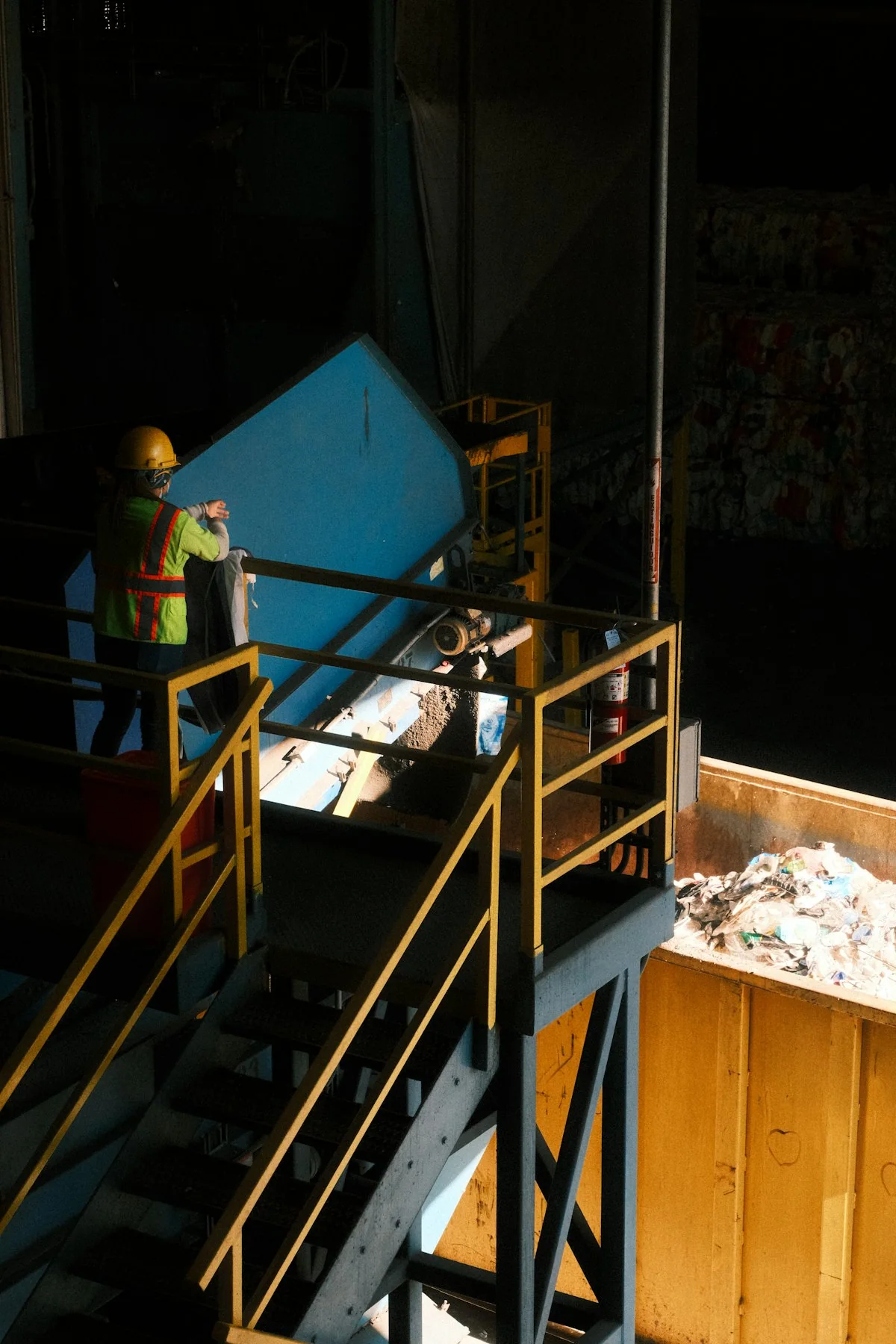
If one batch differs sharply from the rest, send photos of that batch too so the review covers it.
Review the Cutter Arrangement
Check the shaft and cutter configuration of the proposed model. Cutter geometry, spacing and drive details should be reviewed together with your feed and required reduction.
Ask for the cutter arrangement to be shown in a drawing or photo of the proposed model, so you can review it without approaching the cutting chamber. Values such as cutter thickness and spacing belong to the specific model and should be read from its specification.
Shaft and Cutter Layout
Check how the cutters on each shaft are arranged relative to each other and to the chamber walls, as shown in the model drawing.
Cutter Profile
Review the cutter profile against the way your material needs to be gripped and drawn into the cutting zone.
Spacing and Feed Pieces
Relate the cutter spacing stated for the model to the thickness and toughness of the pieces you plan to load.
Drive and Shaft Speed
Ask how the drive and shaft speed are matched to the cutter configuration proposed for your material.
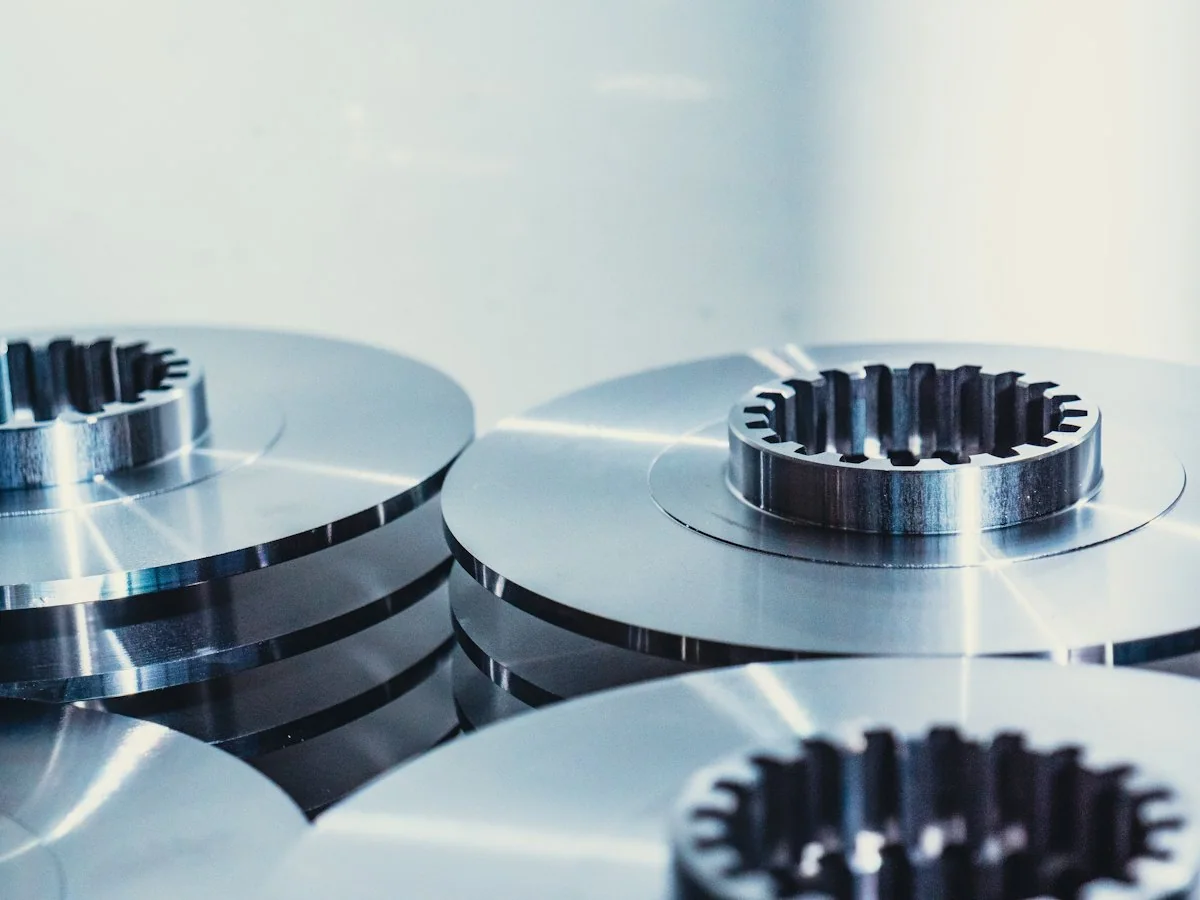
Keep your cutter review to drawings, photos and the written specification rather than approaching the cutting chamber yourself.
Understand the Discharge
Confirm the expected form and variation of the discharge. When the next process needs a more defined regrind, review an additional reduction stage instead of assuming the shredder alone will meet that specification.
Discharge from a double-shaft stage can vary in length and shape with the cutters and the material. Ask for photos of discharge from a comparable material where a record exists, and describe how the next machine, conveyor or container will receive it.
Handling the Discharge
Irregular pieces can behave differently on conveyors and in transfer chutes, so share how the discharge will be moved after the shredder.
Long or Wrapping Pieces
Mention any material that tends to stay in long strips or wrap, as this affects both the discharge and the following stage.
Your Own Output Samples
If you already shred this material elsewhere, photos of that output give a useful comparison point for the review.

First-Stage Result
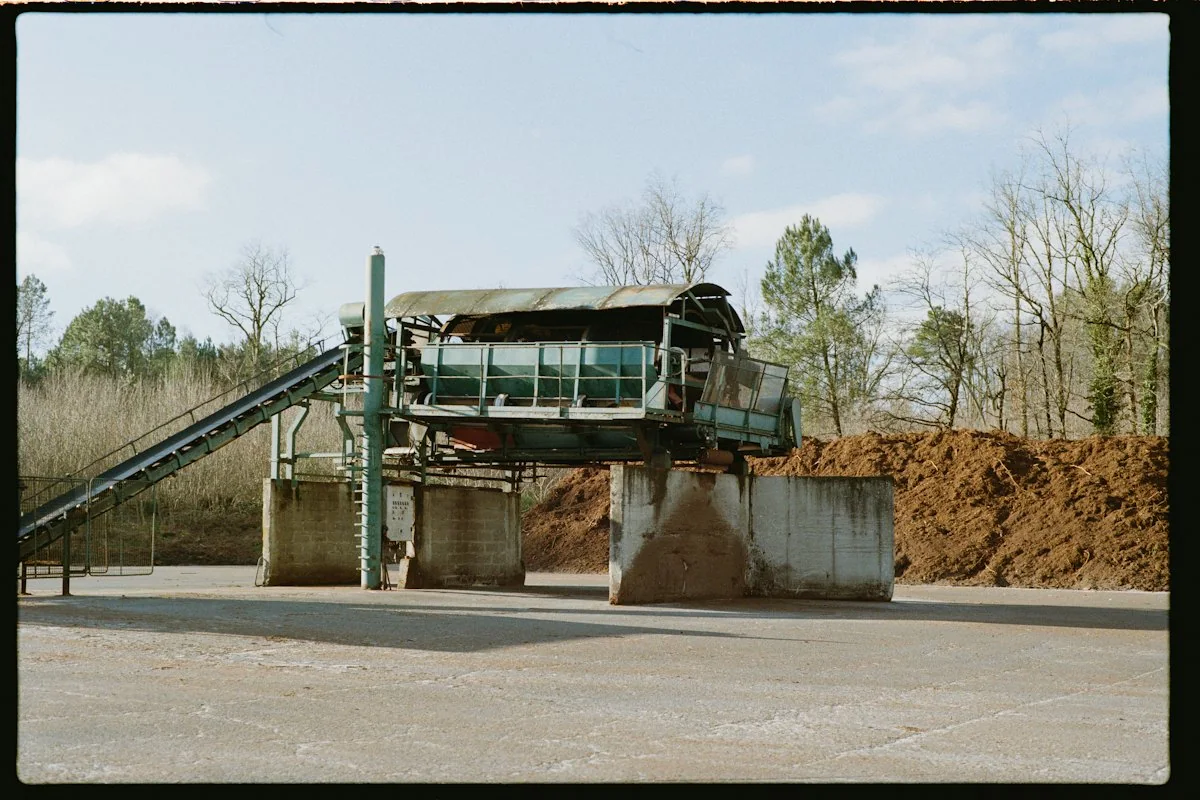
A double-shaft arrangement may be selected to reduce bulky material or prepare feed for another machine. Define that role before specifying a final output.
Shape Variation
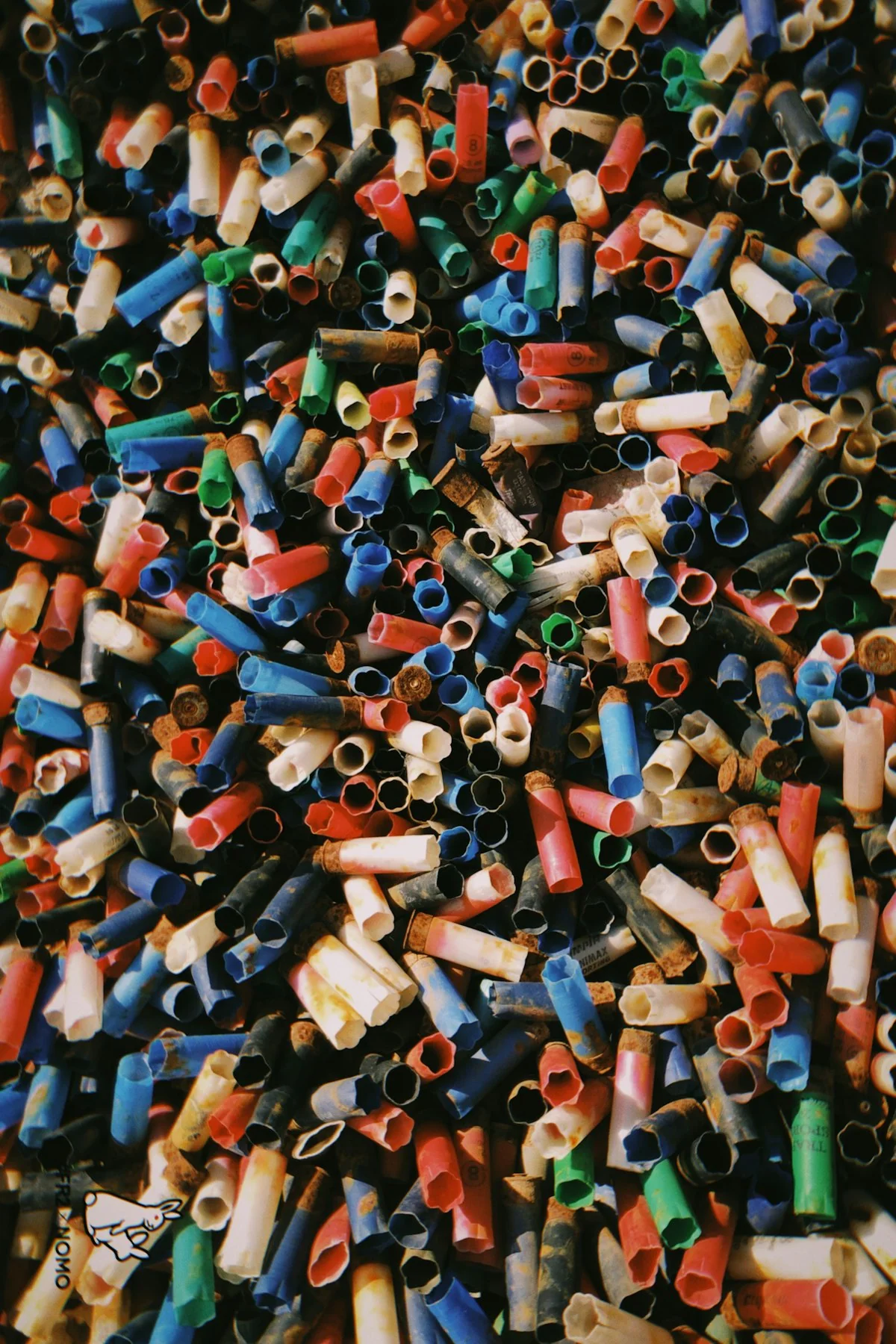
Cutter arrangement and material behaviour influence the discharged pieces. Review a relevant material record when the shape and size are important.
Next-Stage Fit
When a tighter size is required, compare the next crushing or screening stage with the actual shredder discharge, not an assumed uniform size.
Compare Available Models
Compare feed opening, cutter arrangement, drive power and the stated material basis for each model. Ask how the proposed configuration addresses your particular feed.
Cutter Arrangement
Check how the cutters and shafts are laid out for each listed model, since this shapes how bulky pieces are gripped and torn.
Chamber
Compare the chamber and feed opening with the largest pieces you will load, so oversized material is identified before you choose.
Drive
Review the stated drive arrangement against your feed, and ask which material basis the stated figures refer to.
Discharge Form
Read the discharge form as a description of the first-stage result, then compare it with what your next process can accept.
Discuss My Configuration
Not sure which listed model suits your feed? Share your material photos and the role the shredder must play.
Review Controls and Wear Parts
Identify the protective functions and replacement cutters actually included in the proposed build. Confirm parts references and service access before placing the machine in a line.
Protective and control functions differ between builds, so treat each one as present only when it appears in the proposed specification. The same applies to the replacement cutters and other wear parts you will need in service.
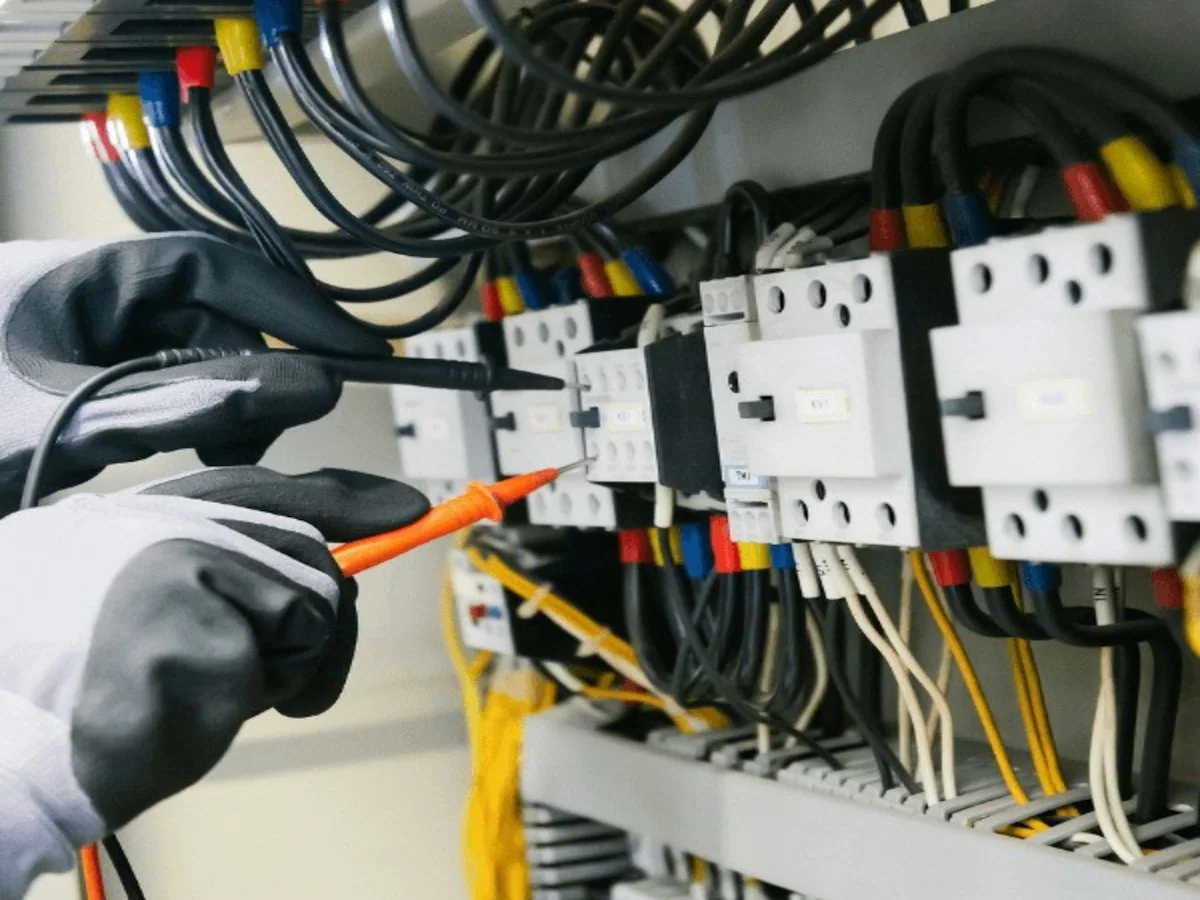
Temporary photo Functions in Writing
Ask for the control and protective functions as written in the proposal, rather than assuming them from another model or a general description.
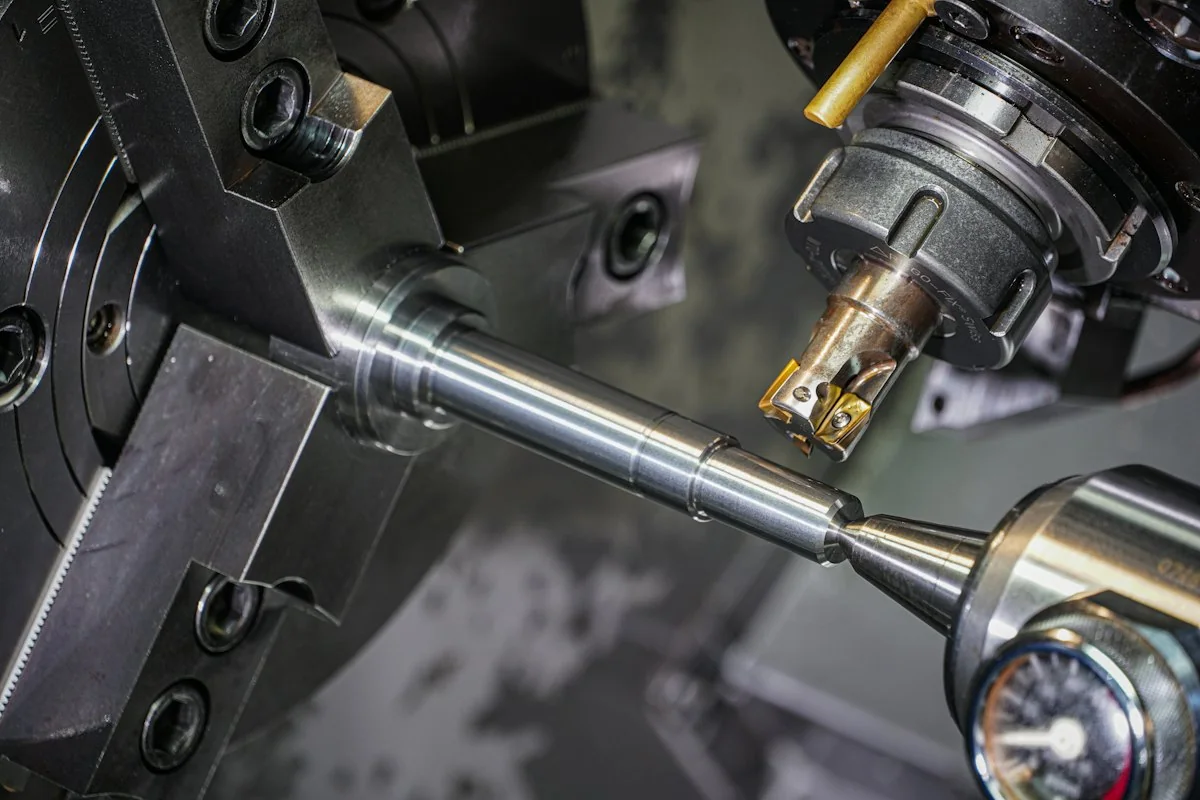
Temporary photo Replacement Cutter References
Request the reference for each replaceable cutter so future orders can be identified against the same build record.

Temporary photo Maintenance Space on Site
Review how the cutting chamber is opened for maintenance and how much space your site needs around the machine for that work.
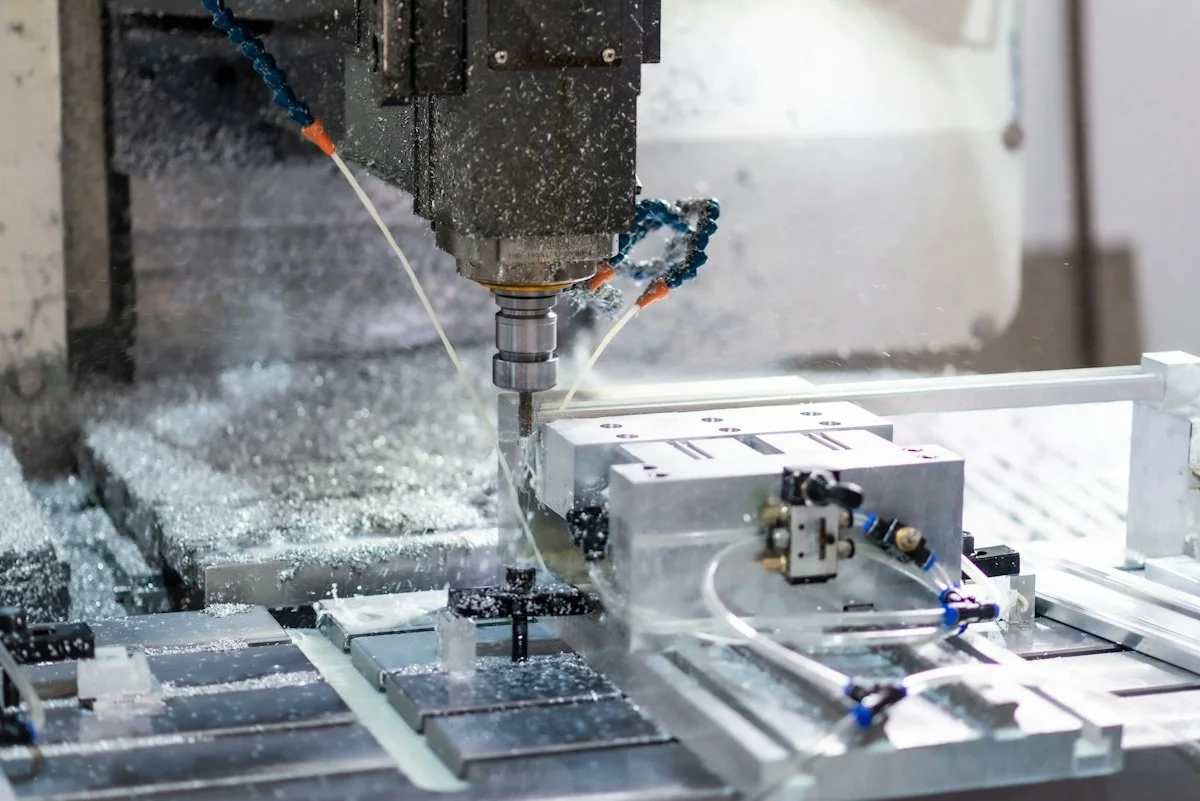
Temporary photo Keep the Parts Record
Store the cutter and wear part references with your machine documents, and use them when you request blades or other parts later.
Plan Secondary Reduction
A following crusher may be relevant when the required final size differs from the shredder discharge. Review transfer equipment and the full stage-to-stage match as part of the proposal.
Temporary photo 01Define the Final Size
State the size or form your final process requires, and where that requirement comes from.

Temporary photo 02Compare the Shredder Discharge
Set that requirement beside the expected or recorded shredder discharge to see whether a further stage is needed.
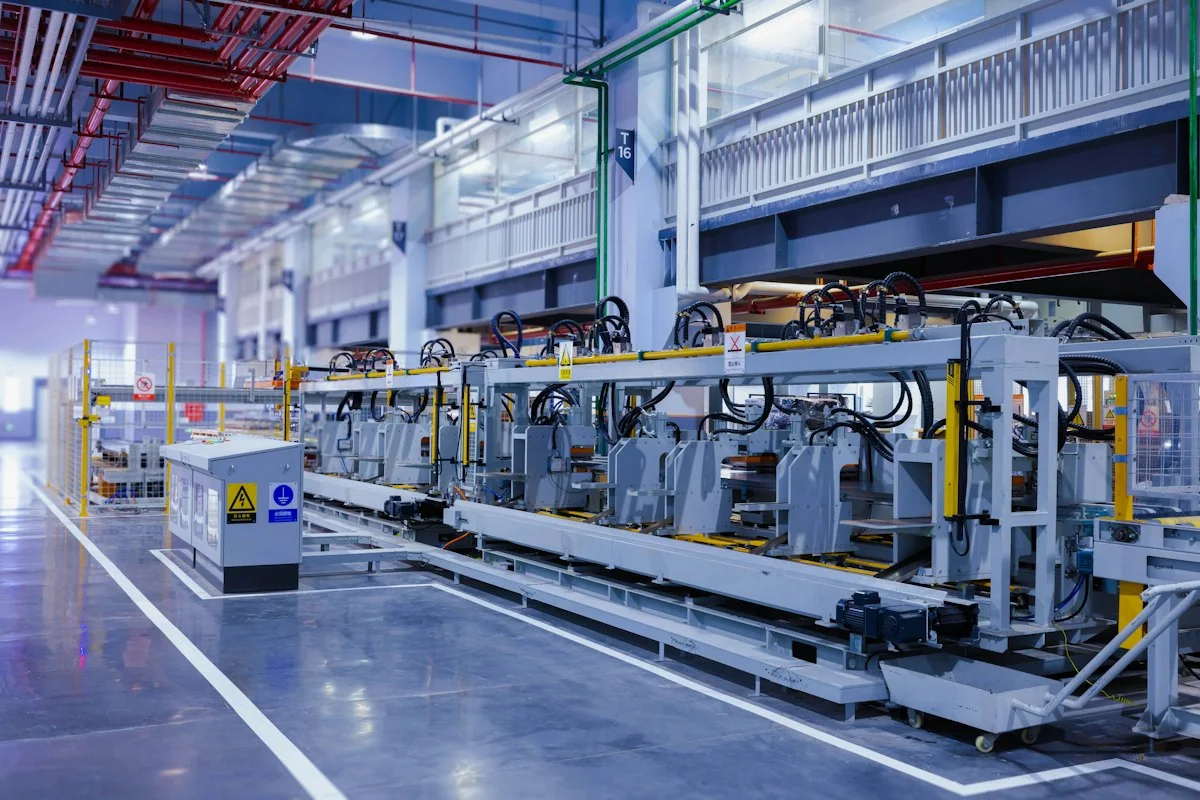
Temporary photo 03Review the Following Crusher
If a gap remains, review a crusher that can accept the shredder discharge and reduce it toward your final size.
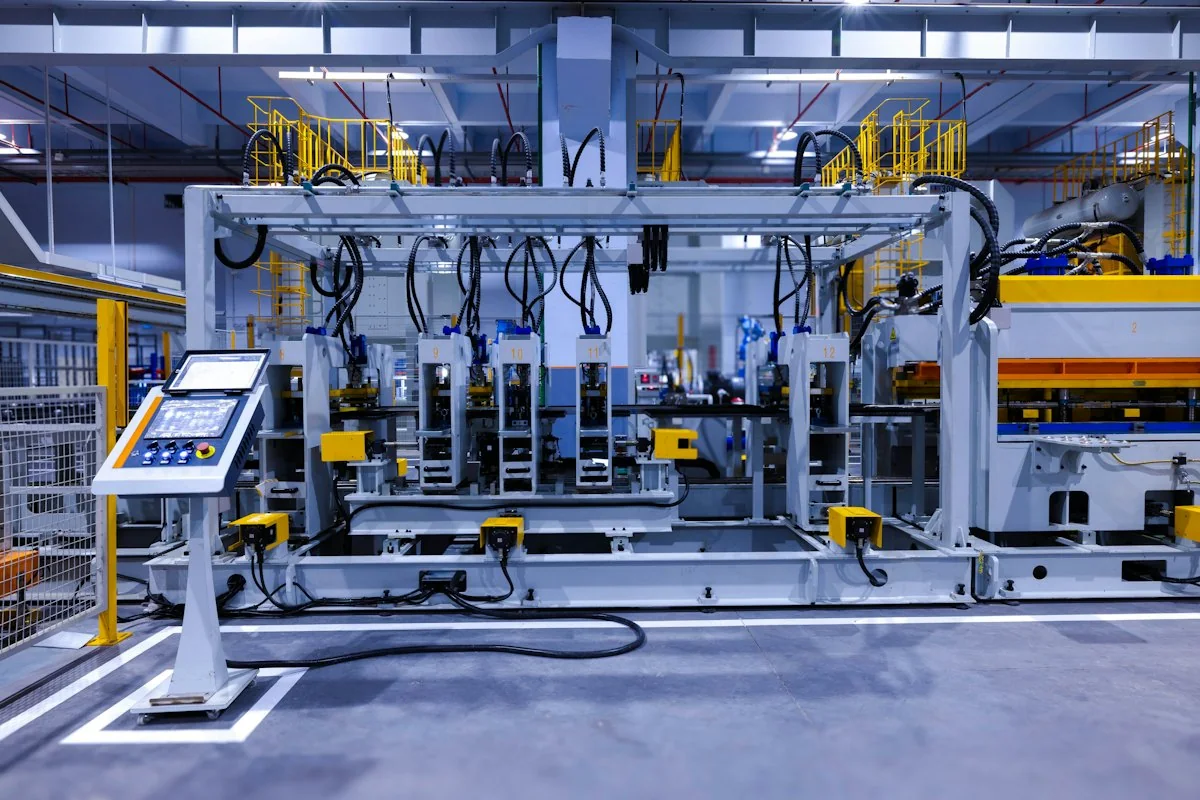
Temporary photo 04Check the Stage Transfer
Confirm how material moves from the shredder to the crusher, including conveying, buffering and any screening between them.
Configure Your Double-Shaft Setup
Discuss the cutter arrangement, drive, hopper and discharge interface for your material. Specify the role of the shredder and any secondary reduction stage instead of assuming one configuration will deliver every final size.
Each option is discussed for your project and confirmed in the proposal. Hopper design and feed method can be reviewed alongside these items when your loading arrangement differs from a typical setup.
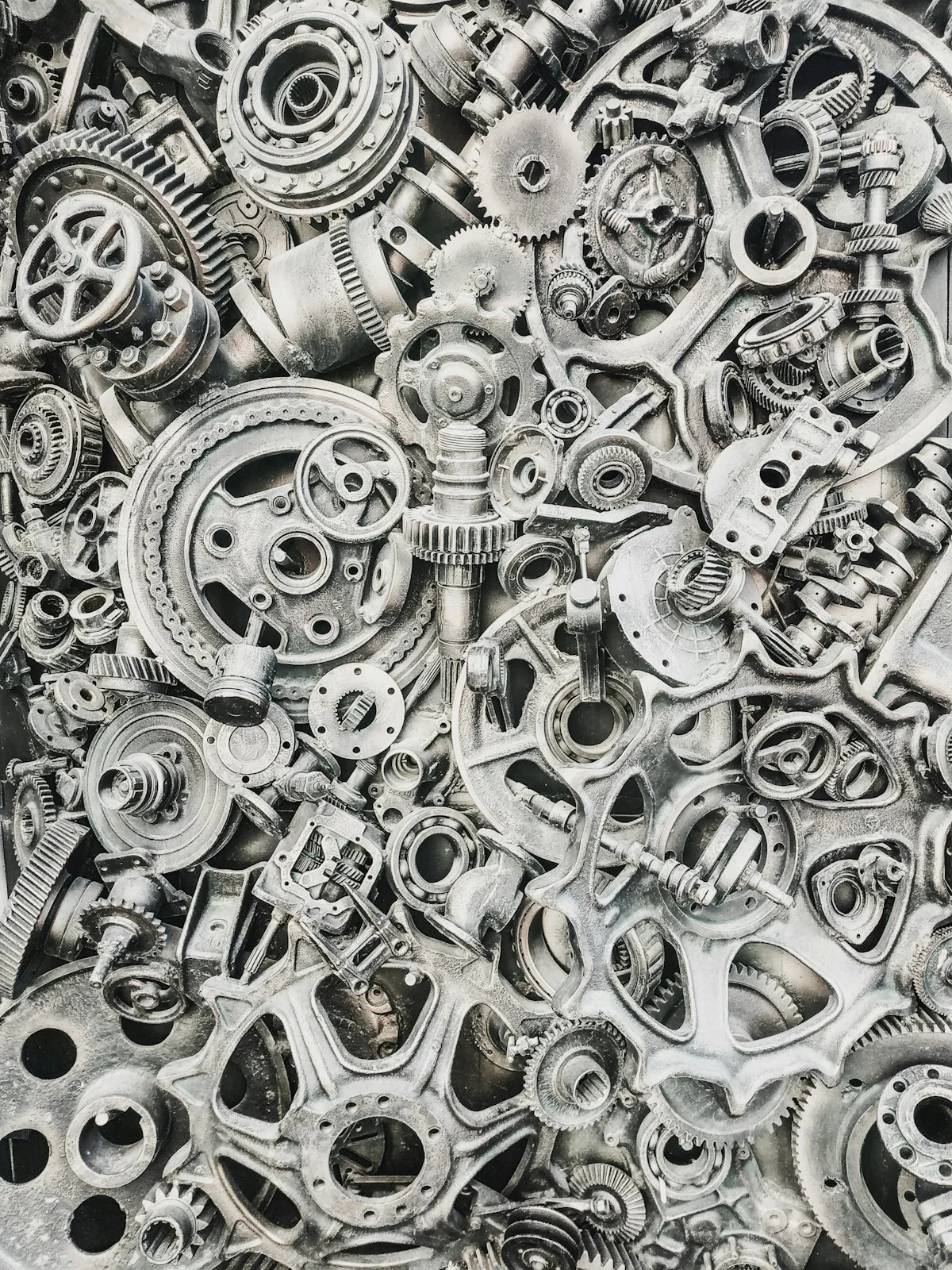
Temporary photo Cutter Arrangement
Discuss the cutter profile and spacing that suit your feed as a project option, confirmed in the proposal rather than assumed as standard.
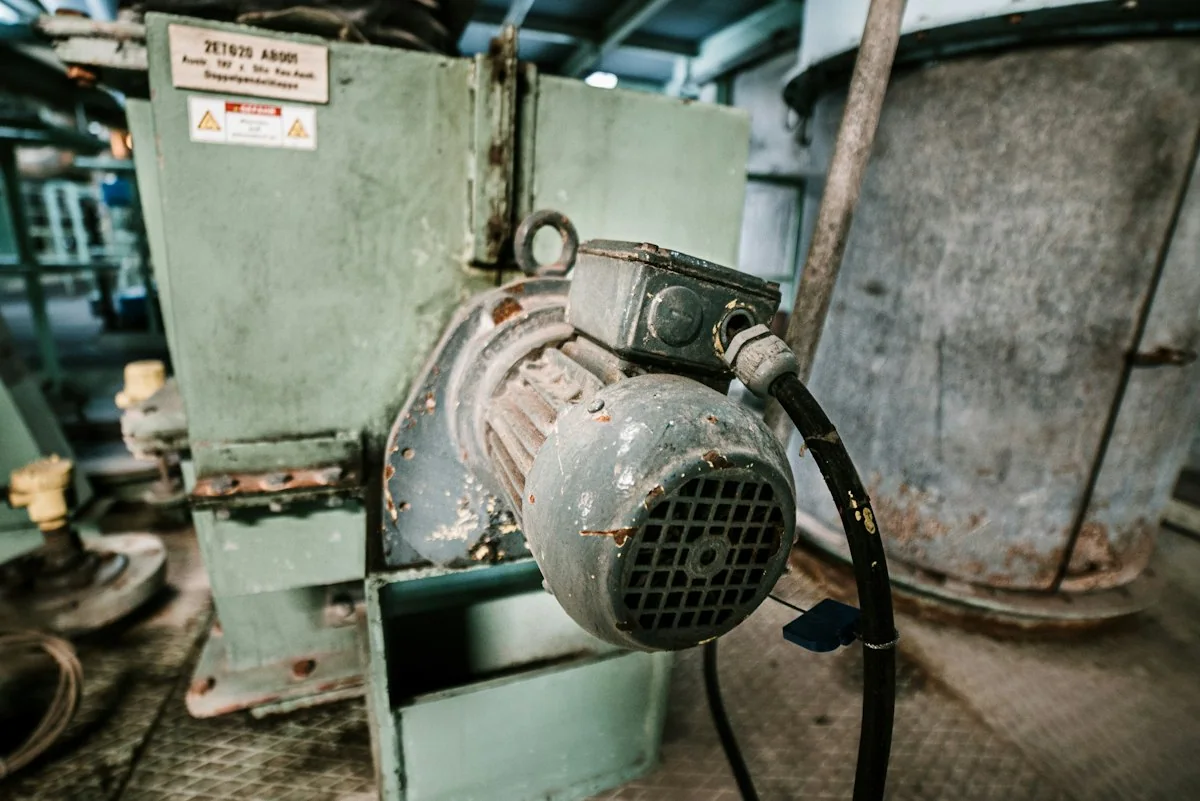
Temporary photo Drive
Review the drive arrangement against your material and site power supply, and confirm which drive is offered for your configuration.

Temporary photo Discharge Interface
Agree how the discharge connects to your conveyor, container or following crusher, including the outlet position and any transfer equipment.
See the Actual Assembly
Review the cutting chamber, drive arrangement and assembly evidence of the available model family. Use real project records only where the material and result are documented.
Assembly photos help you understand how the model family is built; they do not by themselves show how your material will behave.
Cutting Chamber
Ask for photos of the cutting chamber of the model family you are considering. They show how the cutters, shafts and side walls are assembled.
Drive Arrangement
Review images of the drive arrangement as it is mounted on the frame. Compare them with the drive described in your proposal.
Assembly Inspection
Request the assembly or inspection records available for the proposed build. Ask which checks the records cover before relying on them.
Discuss My Configuration
Want to review the build for your own feed? Share your material and the setup you have in mind.
FAQ
Does double-shaft mean a precise final particle size?
Not automatically. Review the actual discharge specification and its variation. Further reduction may be needed for your required final output.
Can it process mixed materials?
Describe every significant feed component and any contamination. Suitability must be confirmed for the actual configuration.
Is a discharge screen included?
Check the model specification. A screen should not be listed as a standard component unless it is actually part of that design.
What information helps you review the project?
Send material photos, maximum dimensions, target throughput, required discharge and the equipment or process that follows.
Can this be customized for my process?
Yes. Describe the configuration or specification you need, together with the material or machine reference. Feasible options, drawings where required, and the final supply scope are confirmed before production.
Discuss Your Double-Shaft Setup
Describe the incoming material and the purpose of the first reduction stage. Add the required discharge and any planned secondary crusher.
Include the details you already know. You do not need every specification to start.
What to Include
Use the details you already know. A model number is not required to begin.
1. YOUR MATERIAL
Material name and condition; largest starting dimensions; a photograph when available.
Describe thickness, mixed shapes or other details that affect feeding.
2. YOUR OUTPUT
Required powder, smaller pieces or regrind; the next process; the output specification and its measurement basis when known.
State the desired hourly throughput as a target, not a confirmed machine result.
3. YOUR SITE
Country/region; known power supply; available floor space and height; existing equipment; relevant cooling or nitrogen arrangements.
4. YOUR CONFIGURATION
Standalone machine, replacement machine or connected line.
Describe requested changes to feeding, discharge, cooling, controls, layout or connections.
7. WHAT TO AGREE IN THE PROPOSAL
Selected equipment; standard items; options; items supplied by others; relevant test/acceptance basis; documents; support and delivery responsibilities.
Please do not send unnecessary personal documents, passwords or unrelated confidential files.