China Ambient Temperature Pulverizer Factory
Prepare powder without a liquid-nitrogen grinding route when your material and target specification allow it. Match the feeding, grinding and heat-management arrangement to your process rather than selecting by motor power alone.
On This Page
Check Material Suitability
Start with the material grade, feed dimensions and current condition. Explain whether the feed softens, sticks or changes during your existing grinding process, so the ambient-temperature route can be reviewed properly.
Describe your material in practical terms rather than by a broad family name. A specific grade and form, supported by photos, gives a clearer starting point than a general label such as plastic or rubber.
- Material name, grade and supplier reference if available
- Physical form, such as granules, flakes, chips or lumps
- Largest and typical piece size as delivered
- Moisture, oil or coating on the surface
- Any softening, smearing or sticking in current grinding
- Photos or a small sample of the actual feed
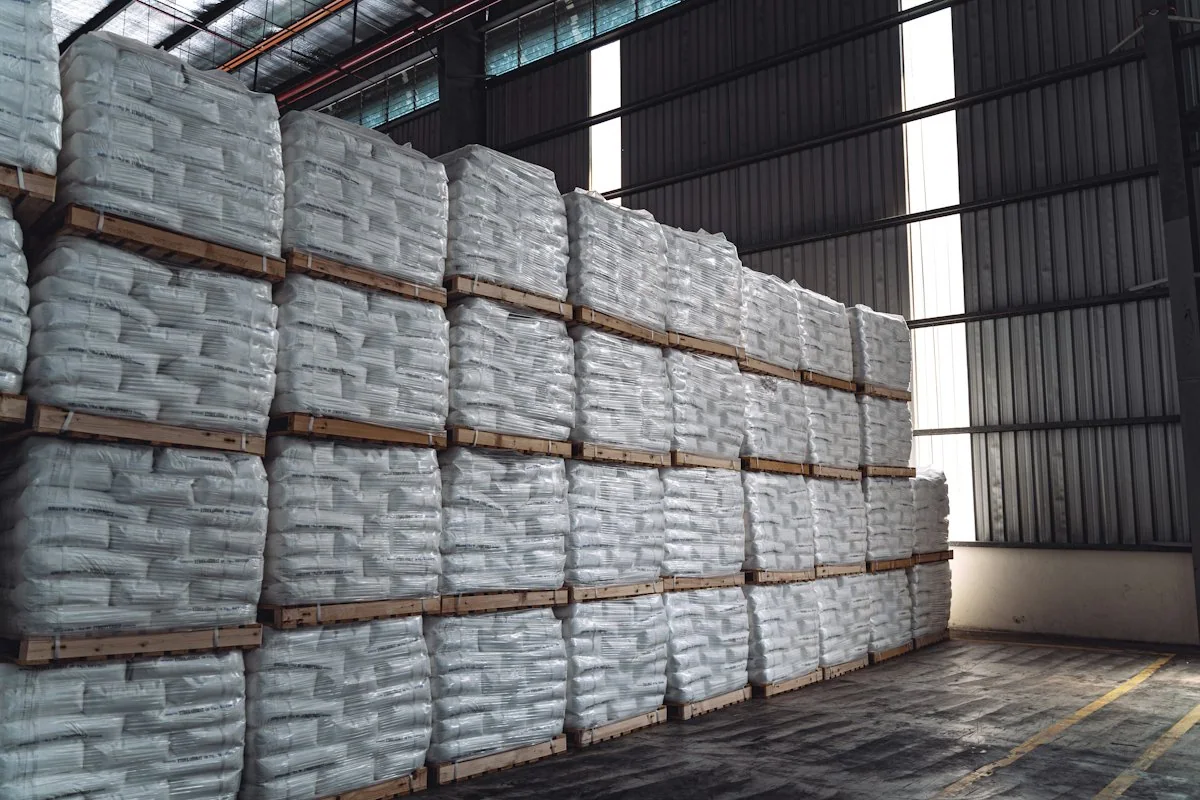
Without a material trial, treat any suitability statement as a starting point for review rather than a confirmed result.
Feed Condition
A pre-sized, consistent feed gives you a clearer basis for comparing machines than mixed pieces with changing size and condition. Describe the feed as it will actually reach the mill.
Heat Behaviour
Softening, smearing or sticking during the current process is a reason to review temperature management. An ambient route is not automatically a no-cooling route.
Powder Use
The next use of the powder determines which size range and quality checks matter. A visual powder sample alone does not define an acceptance specification.
Define the Powder Target
Provide your required particle-size specification and the intended use of the powder. Where you have a sieve result or sample specification, share it to make the target easier to compare with available test information.
Keep the target, the test method and any measured result clearly separate. A target describes what you need, while a measured result describes what a specific trial produced under its own conditions.
Name the Sieve Standard
If you quote a mesh value, state which sieve standard it refers to, since mesh descriptions differ between standards.
Share a Reference Powder
A powder you already accept helps the comparison, but agree the measurement that will decide acceptance.
Ask About a Trial
Ask whether a material trial is available and which sample amount and condition it would require.
Compare Available Models
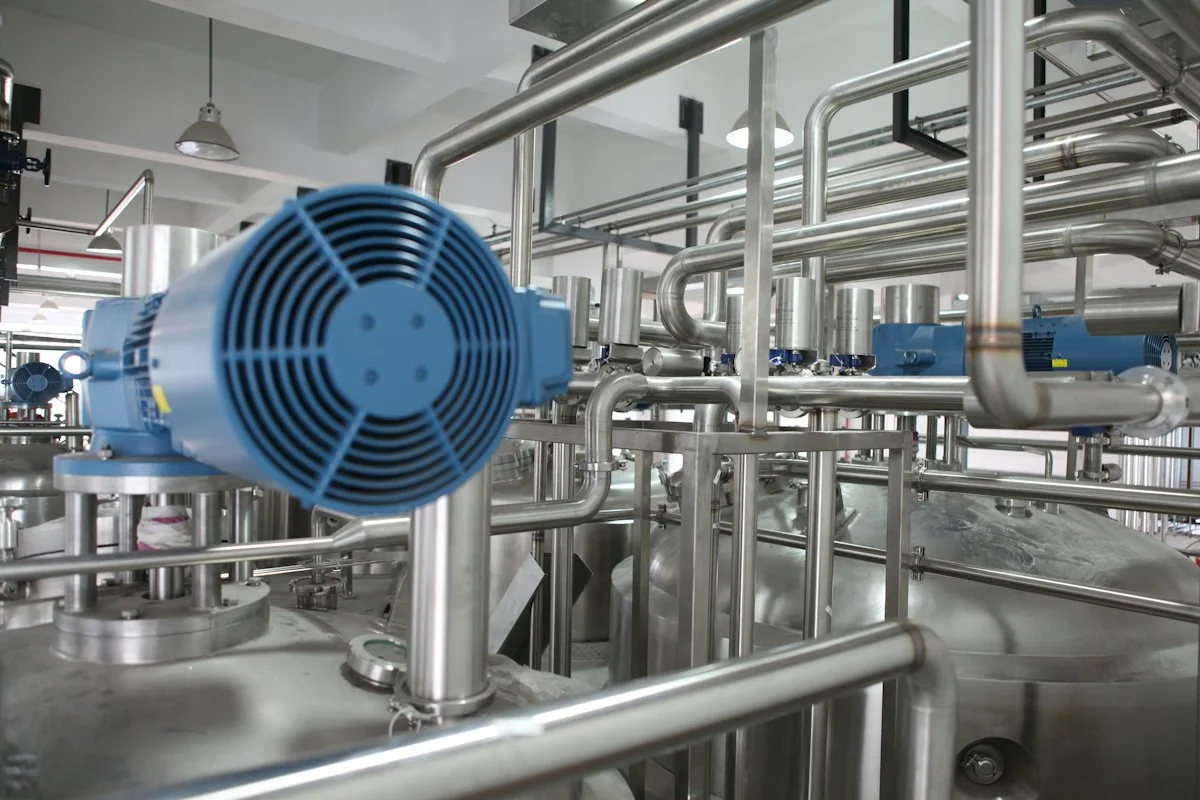
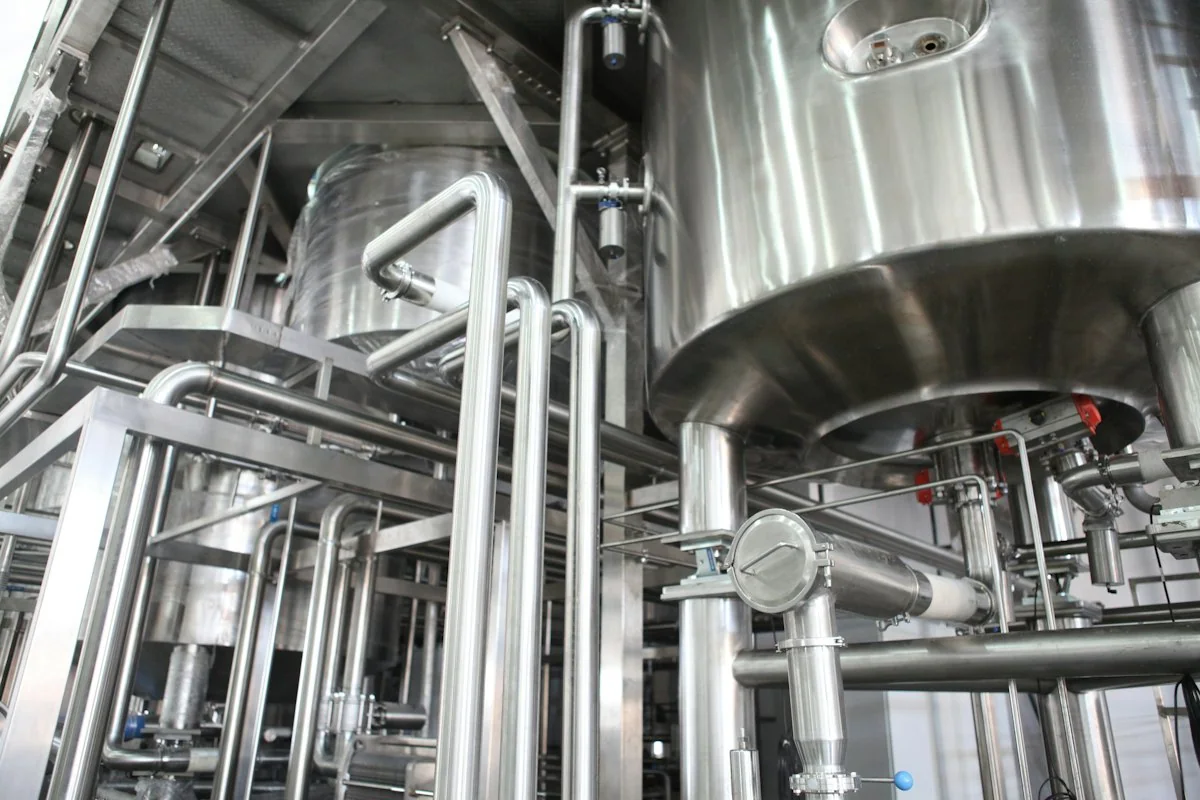
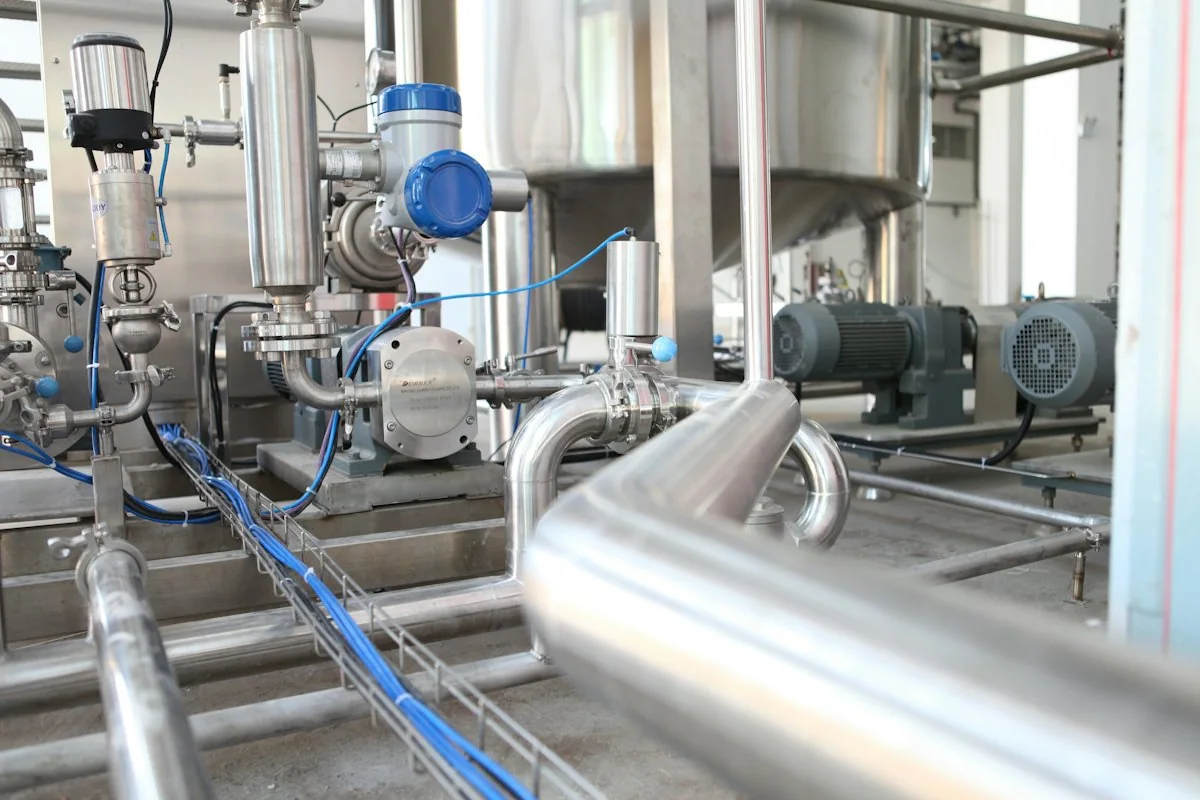
Compare the listed models by their confirmed feed limit, grinding arrangement, installed power and output specification. Read each capacity value together with its stated material and test conditions.
Where a field is missing, ask for the confirmed figure rather than estimating from a similar model.
Feed Size
Check the stated maximum feed size against the largest pieces you will load. Oversize pieces point to an upstream crushing review.
Grinding Arrangement
Confirm whether the model grinds with blades, discs or another tool, and how the chamber is accessed. This affects wear parts, cleaning and maintenance planning.
Power
Use installed power to check your site supply, not to rank output. Models with similar power can suit quite different feeds.
Capacity Basis
Look for the material, feed size and powder target behind each capacity value. Ask whether it reflects continuous running or a short trial.
Discuss My Configuration
Share your feed size and powder target to review which ambient model fits your process.
Review Heat Management
Ambient-temperature grinding does not mean that heat management can be ignored. Check the actual cooling or ventilation arrangement of the selected model and the conditions under which its output was recorded.
Heat in an ambient mill comes from the grinding itself, so ask how the selected model removes it during continuous running. Compare that arrangement with how your material behaves as it warms.
Ask for the Actual Arrangement
Confirm whether the model uses water cooling, air flow or another method, exactly as stated in its specification.
Check Output Test Conditions
Ask how long the recorded run lasted and which material was used, since heat can build up over time.
Watch Your Material's Signals
Colour change, smearing, odour or clumping in your current process are signs to share early. They help decide whether another route should be compared.

Check Upstream Requirements
Show the material as it arrives at your workshop. Larger pieces may need a separate reduction step before milling; pre-sized feed may not. The selected mill’s input requirements determine the discussion.
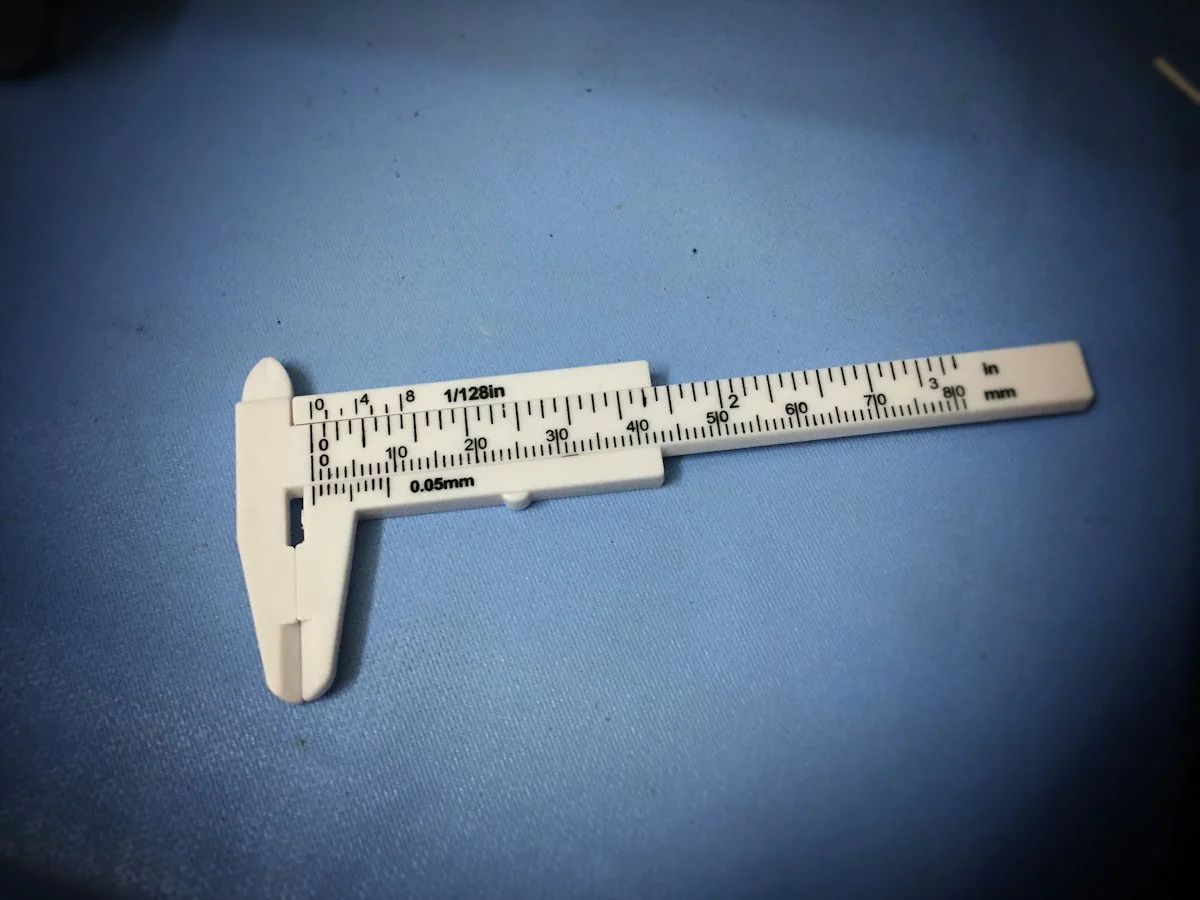
Temporary photo 01Photograph Delivered Feed
Take photos of delivered material beside a rule, including the largest and most irregular pieces.

Temporary photo 02Compare With the Mill Inlet
Check those dimensions against the selected mill's confirmed feed limit, not the size of the hopper opening alone.
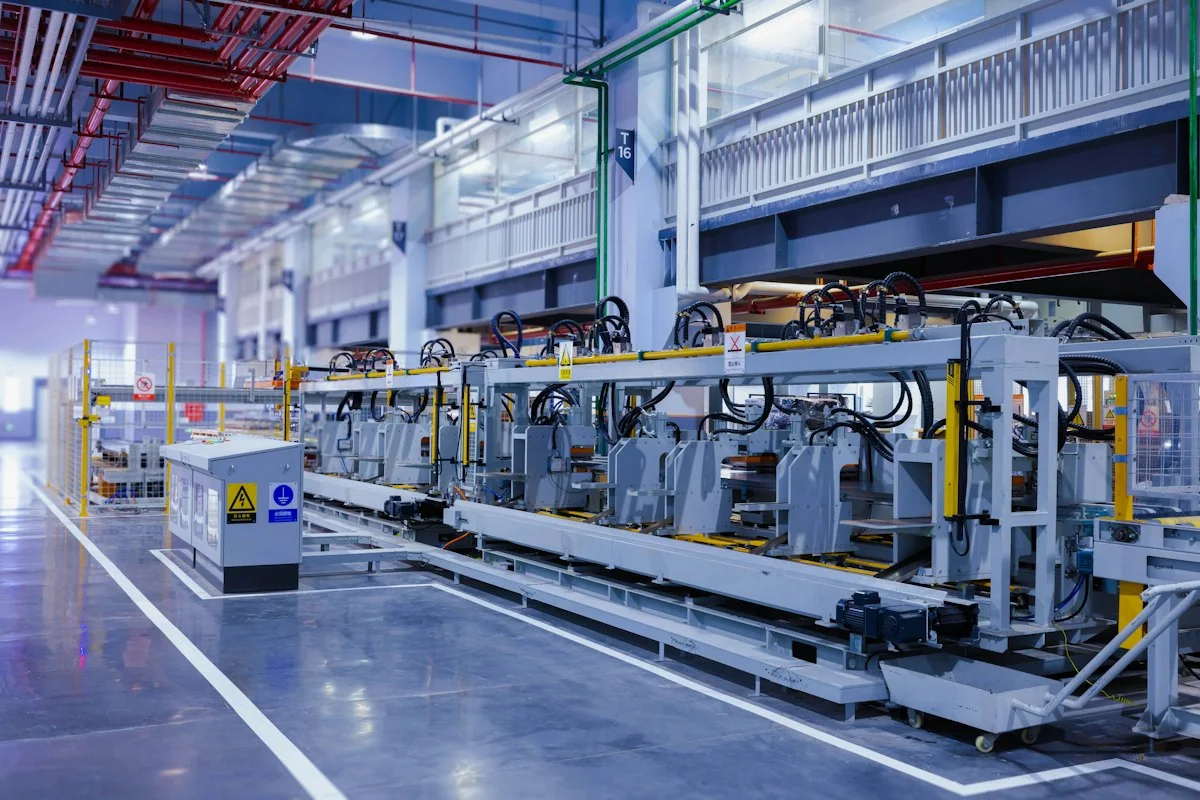
Temporary photo 03Review a Crusher If Needed
When pieces exceed that limit, review a crusher for the upstream stage before you finalise the mill.
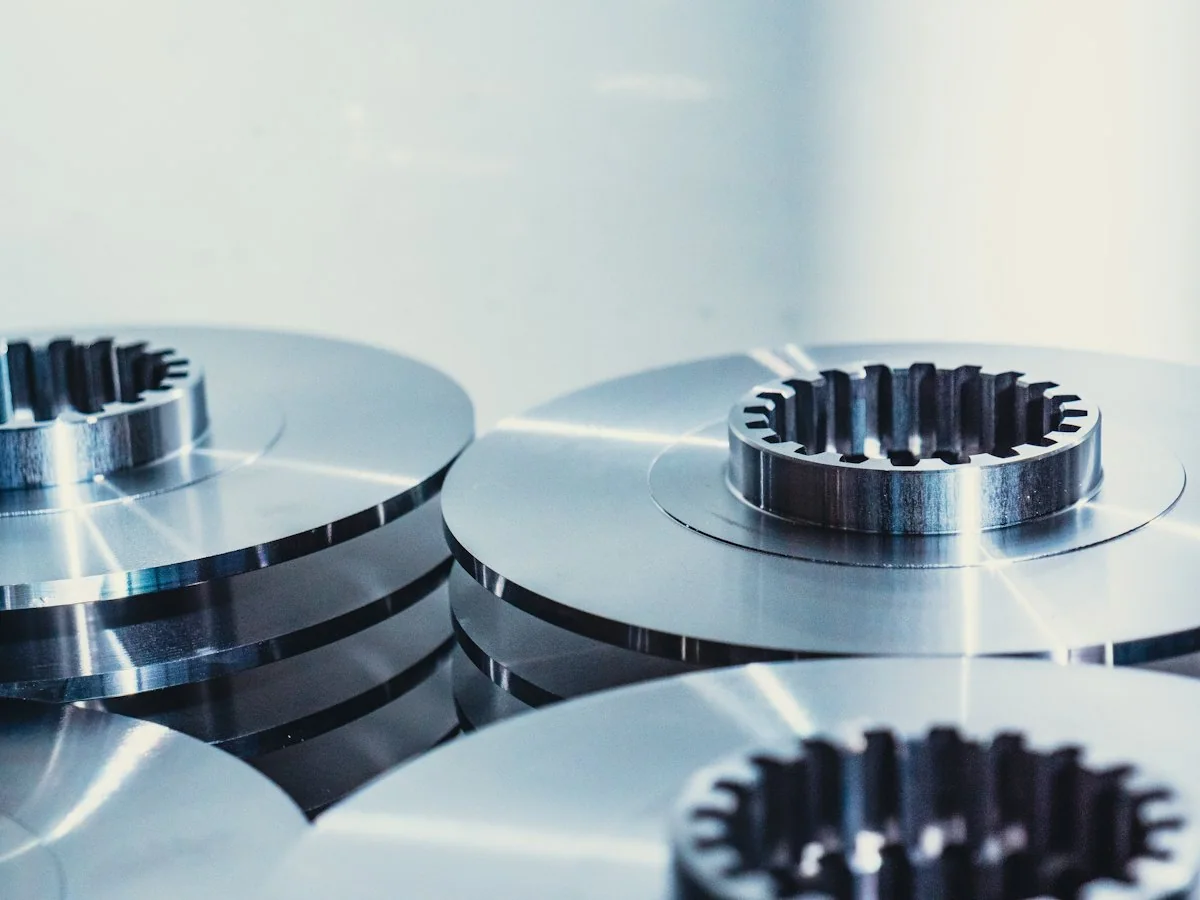
Temporary photo 04Identify the Wear Parts
Ask whether the selected mill uses blades, grinding discs or another tool, so the right spare parts can be referenced.
See the Machine Details
Review the actual feeding arrangement, grinding assembly and access points of the model you are considering. Product photos should correspond to the specified configuration.
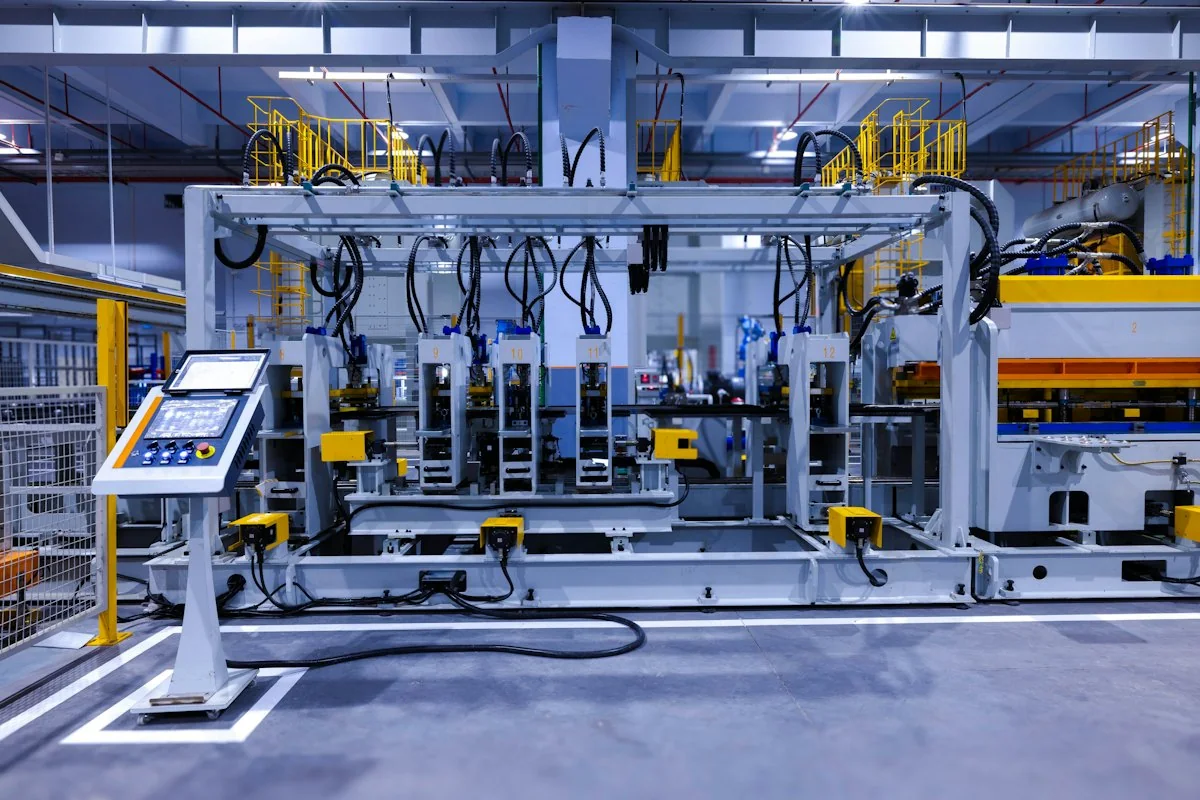
Temporary photo Machine Exterior
Check the overall frame, motor position and feeding height against your floor space and loading method.
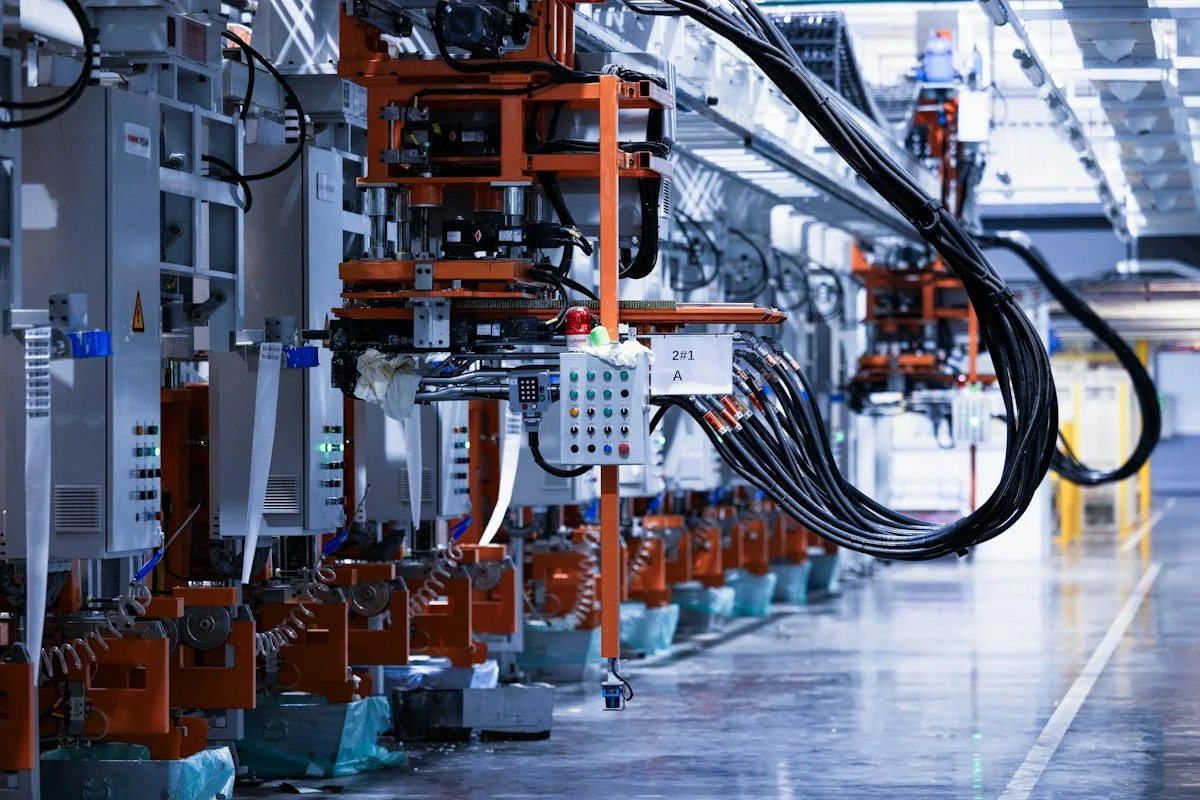
Temporary photo Grinding Assembly
Look at the tool mounting and chamber access, and ask how the chamber is opened for cleaning.
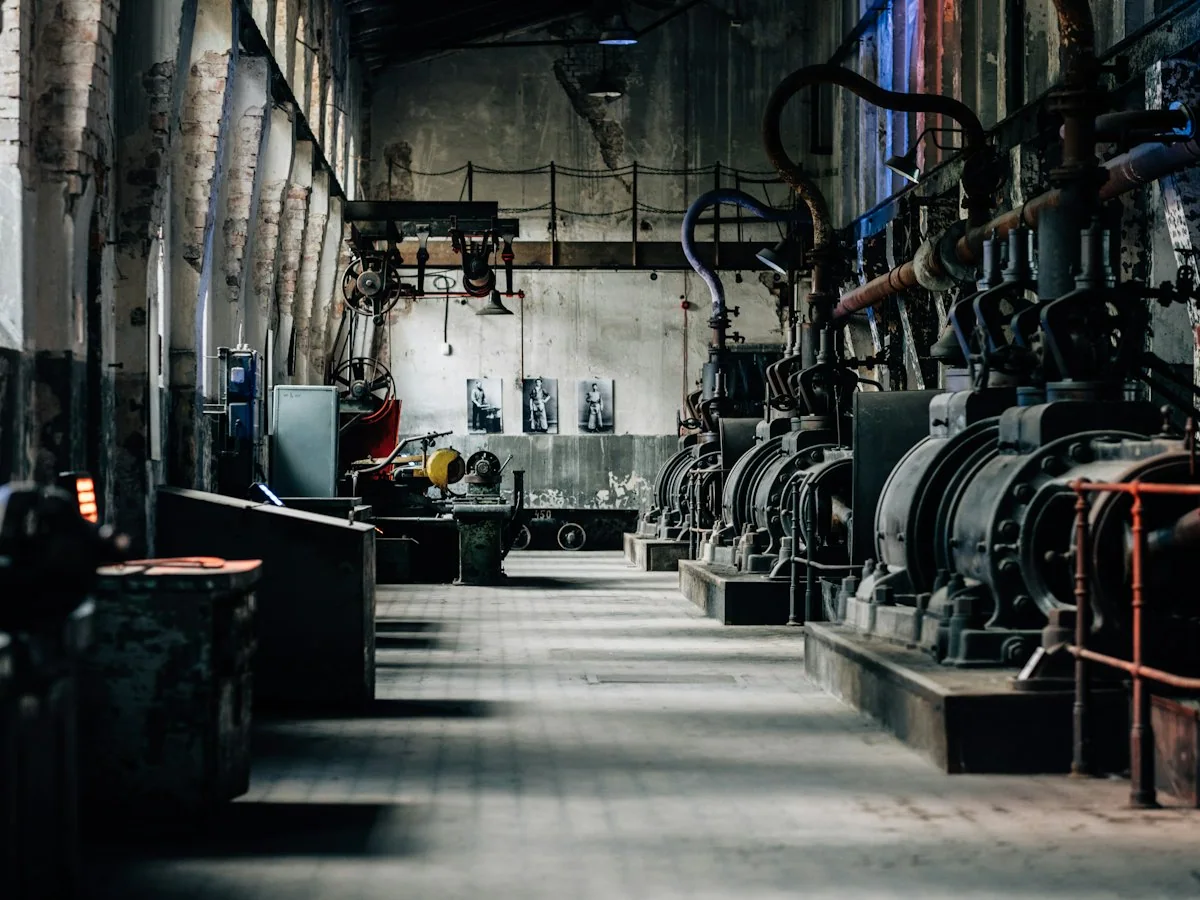
Temporary photo Discharge and Collection
Review how powder leaves the mill and where it is collected, so you can plan bagging or conveying.
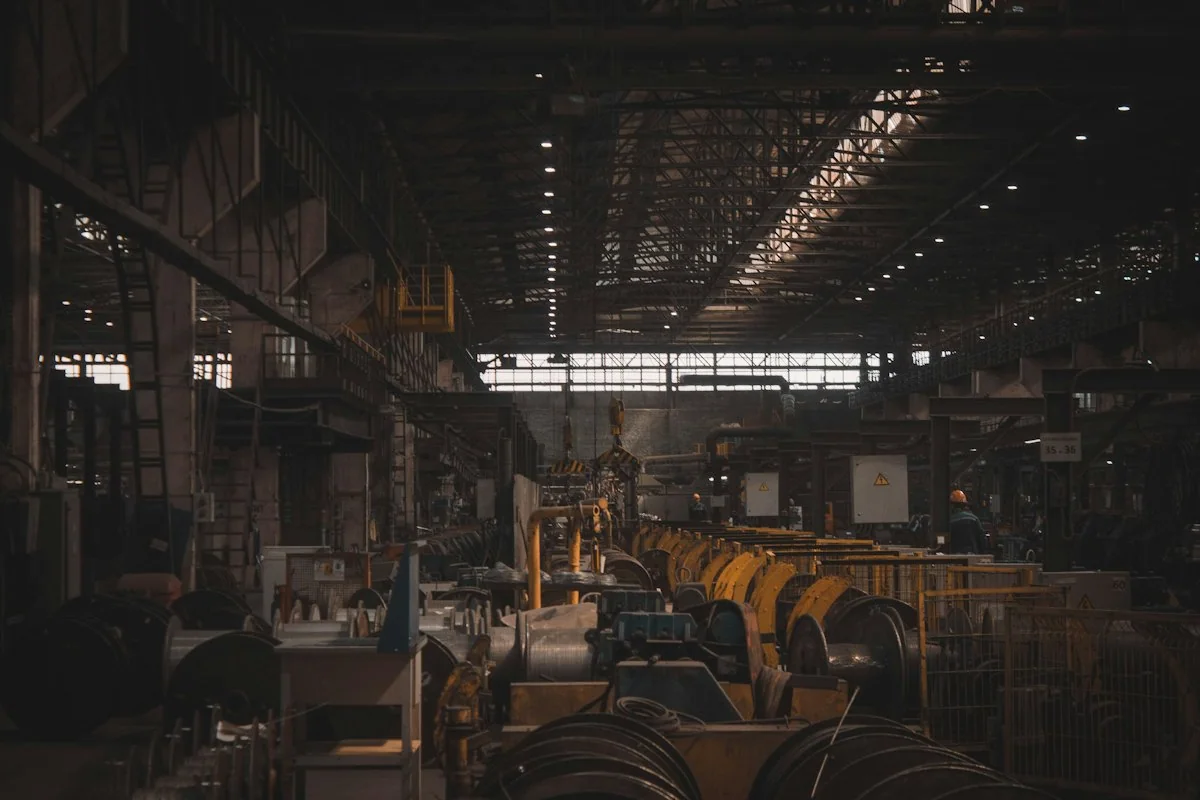
Temporary photo Assembly in Progress
Assembly photos show internal parts that are hidden once the machine is closed. Ask which images relate to your model.
Match Your Grinding Setup
Discuss the feeding arrangement, grinding tools, heat management and powder discharge around your production method. Include your power supply and available space so the proposed ambient setup fits the way your workshop operates.
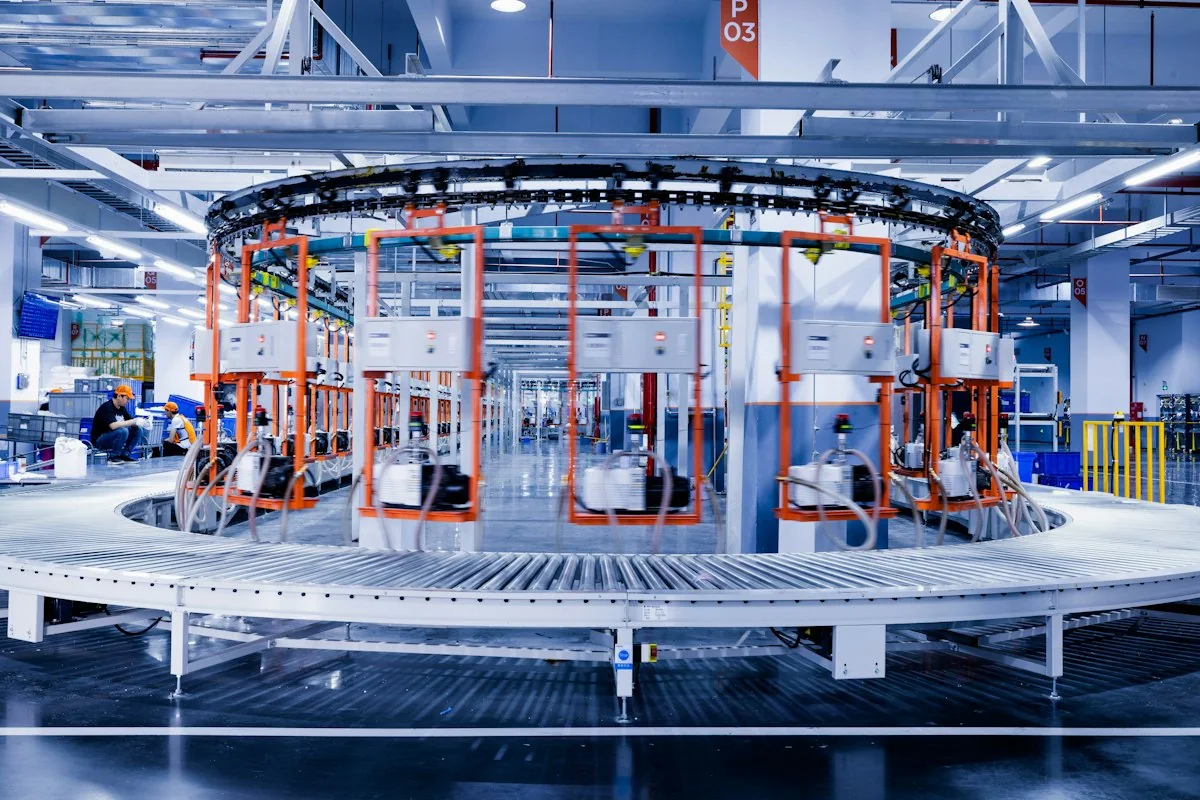
Temporary photo Feed Arrangement
Choose between manual loading and a feeder based on your batch pattern and how steadily the material flows. Note any feeding height limits.
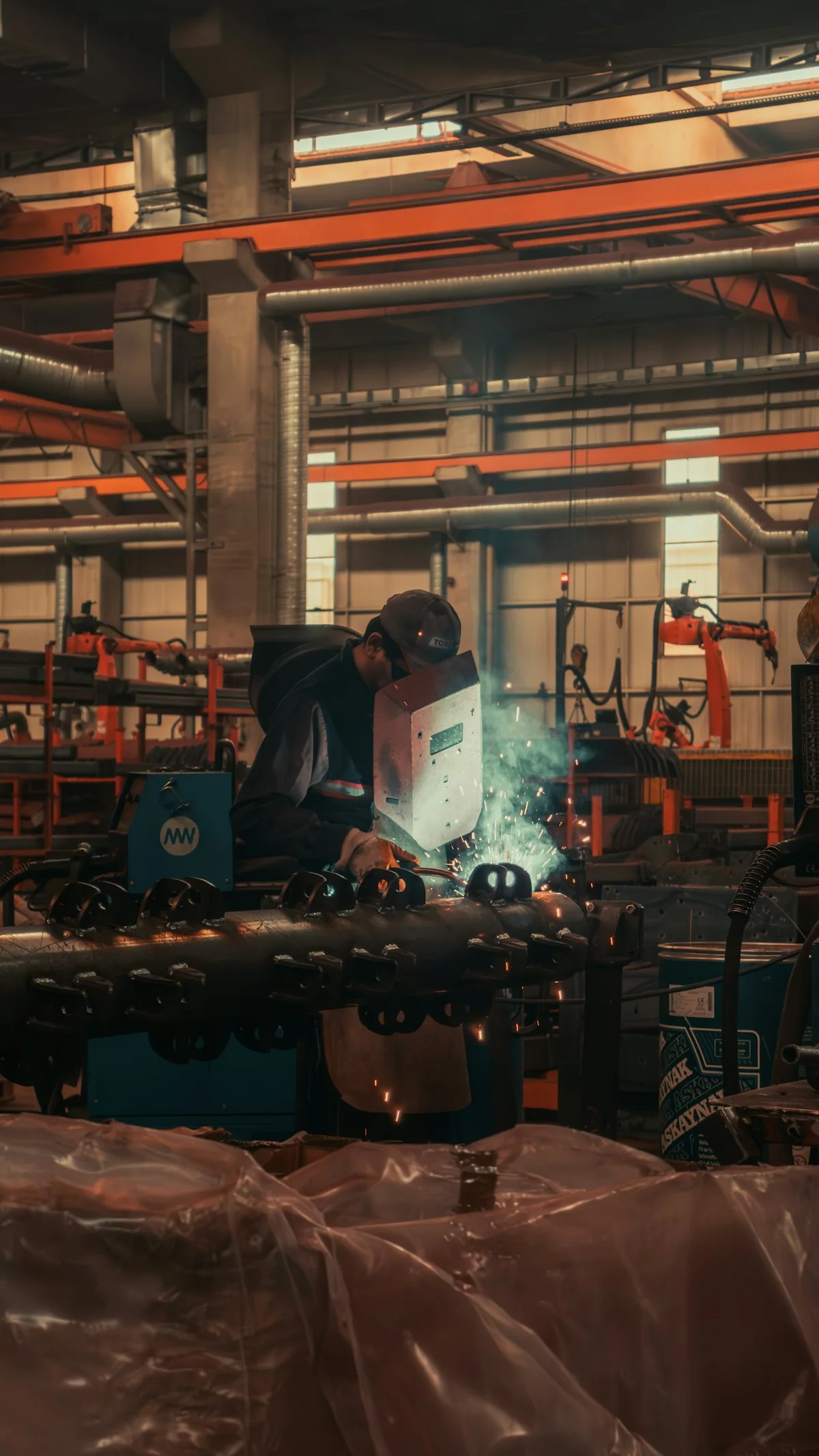
Temporary photo Heat Management
Discuss the cooling or ventilation option available for the selected model and the services it needs at your site.
Temporary photo Powder Discharge
Decide whether powder goes to bags, bins or a downstream conveyor, and whether screening is needed before packing.
Compare Other Grinding Routes
When heat behaviour becomes a selection constraint, compare the documented low-temperature or liquid-nitrogen options. The appropriate route depends on the material and required result, not on the label alone.
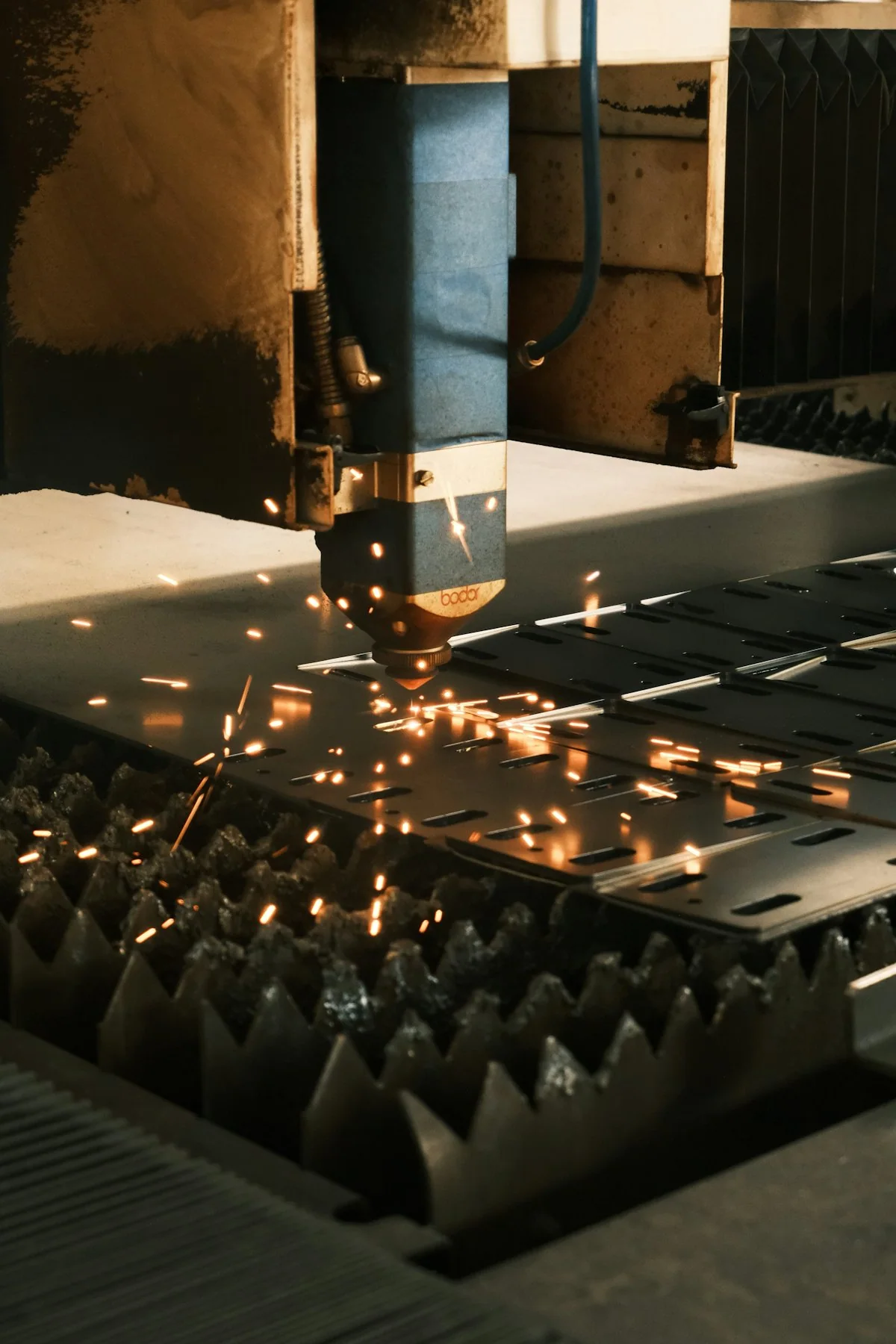
Ambient Temperature Pulverizers
Stay with this route when your material keeps its condition during grinding and test information supports your target. Confirm the heat arrangement before you finalise the model.
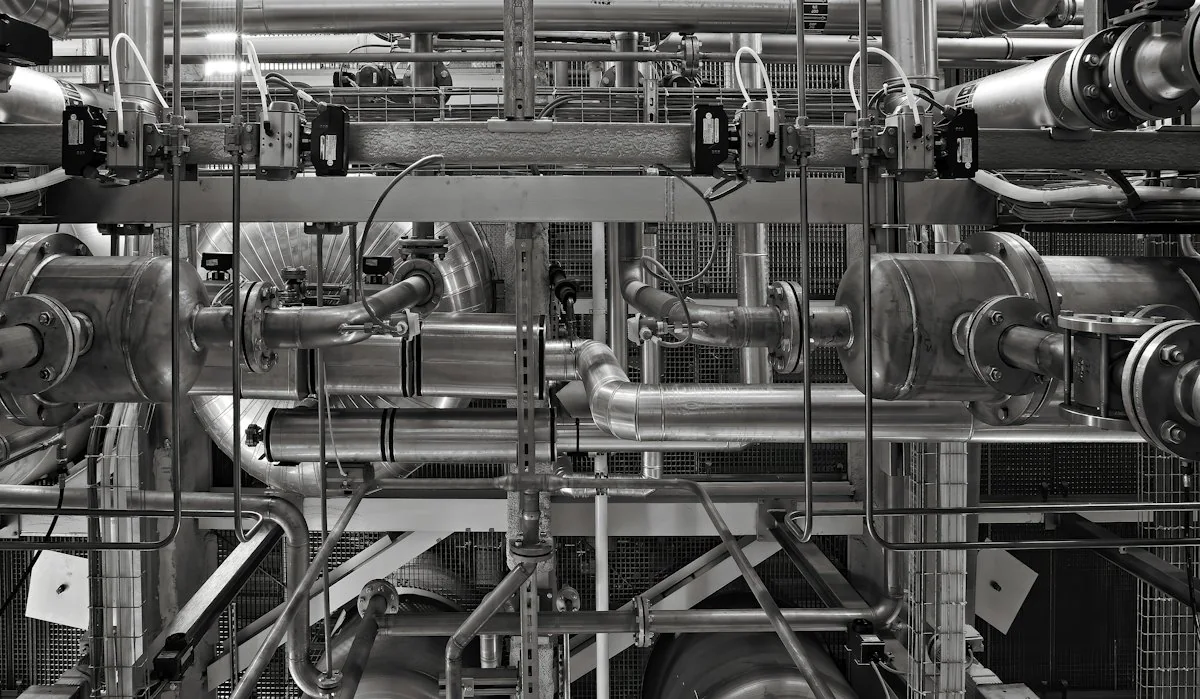
Low Temperature Pulverizers
Compare this route when softening or a processing temperature limit affects your result. Discuss the cooling method and measurement point for your material.
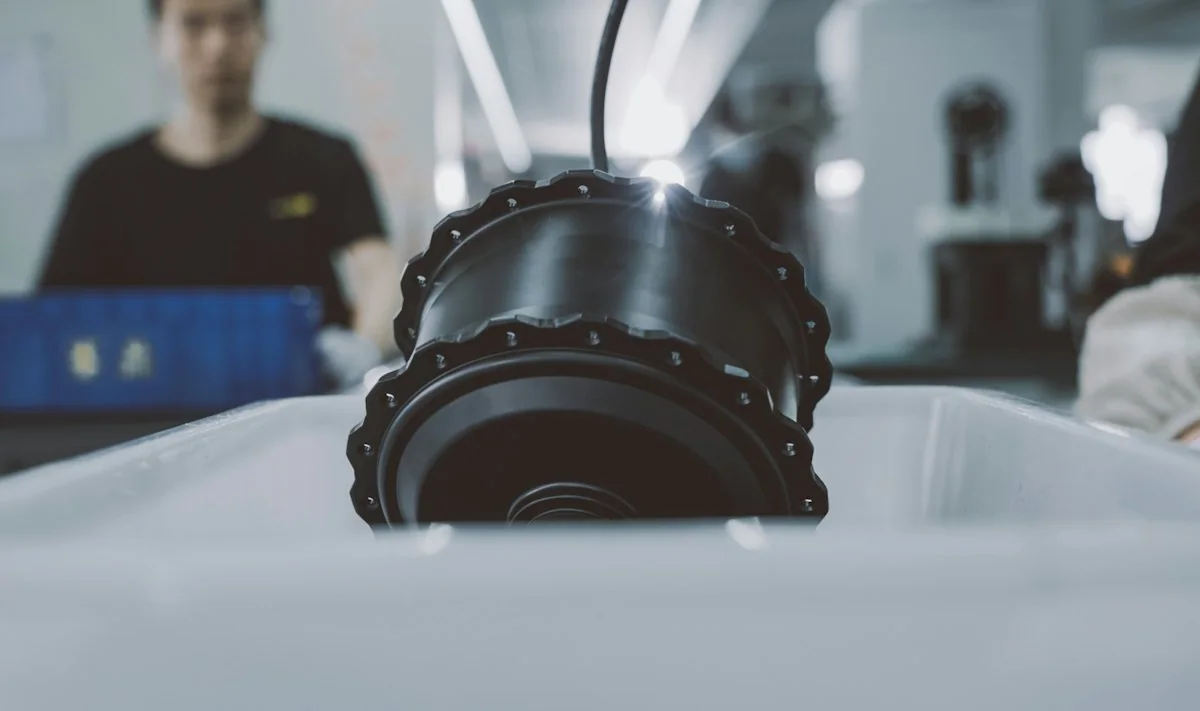
Cryogenic Pulverizers
Compare this route when the material may need embrittlement before it grinds well. Include nitrogen supply, storage interface and site review in the comparison.
Discuss My Configuration
Unsure whether ambient grinding is enough? Share how your material behaves today and discuss the route with us.
FAQ
Does ambient grinding mean there is no cooling system?
Not necessarily. Review the model’s actual cooling or ventilation arrangement. The category name does not replace its technical specification.
Can I compare models by motor power alone?
No. Compare feed requirements, grinding arrangement and the documented output conditions as well as power.
Will every material achieve the same fineness?
No common result is promised for all feed materials. Share your specification so suitability and any test requirement can be reviewed.
What should I prepare for an enquiry?
Provide the material, feed size, powder specification, hourly target and site power supply. Photos or an existing test report are useful when available.
Can this be customized for my process?
Yes. Describe the configuration or specification you need, together with the material or machine reference. Feasible options, drawings where required, and the final supply scope are confirmed before production.
Discuss Your Powder Target
Share the material, current feed size and required powder specification. Add the next use of the powder and any heat-related issue in your existing process.
Include the details you already know. You do not need every specification to start.
What to Include
Use the details you already know. A model number is not required to begin.
1. YOUR MATERIAL
Material name and condition; largest starting dimensions; a photograph when available.
Describe thickness, mixed shapes or other details that affect feeding.
2. YOUR OUTPUT
Required powder, smaller pieces or regrind; the next process; the output specification and its measurement basis when known.
State the desired hourly throughput as a target, not a confirmed machine result.
3. YOUR SITE
Country/region; known power supply; available floor space and height; existing equipment; relevant cooling or nitrogen arrangements.
4. YOUR CONFIGURATION
Standalone machine, replacement machine or connected line.
Describe requested changes to feeding, discharge, cooling, controls, layout or connections.
7. WHAT TO AGREE IN THE PROPOSAL
Selected equipment; standard items; options; items supplied by others; relevant test/acceptance basis; documents; support and delivery responsibilities.
Please do not send unnecessary personal documents, passwords or unrelated confidential files.