Crushing and Pulverizing Line
Move from larger feed pieces to a powder-preparation route with matched crushing and grinding stages. Define the mill-ready feed, powder specification and temperature requirements before choosing the equipment combination.
On This Page
Start With the Powder
Define the required powder specification and the next use of the material. Include the particle-size range or sieve method you use, rather than relying only on a visual sample or an unexplained mesh number. This target guides the grinding discussion.
Prepare Mill-Ready Feed
The crusher has a preparation role: its output must meet the selected pulverizer’s feed requirements. Describe the incoming piece size and condition, then review whether crushing alone is enough or another preparation step is needed.
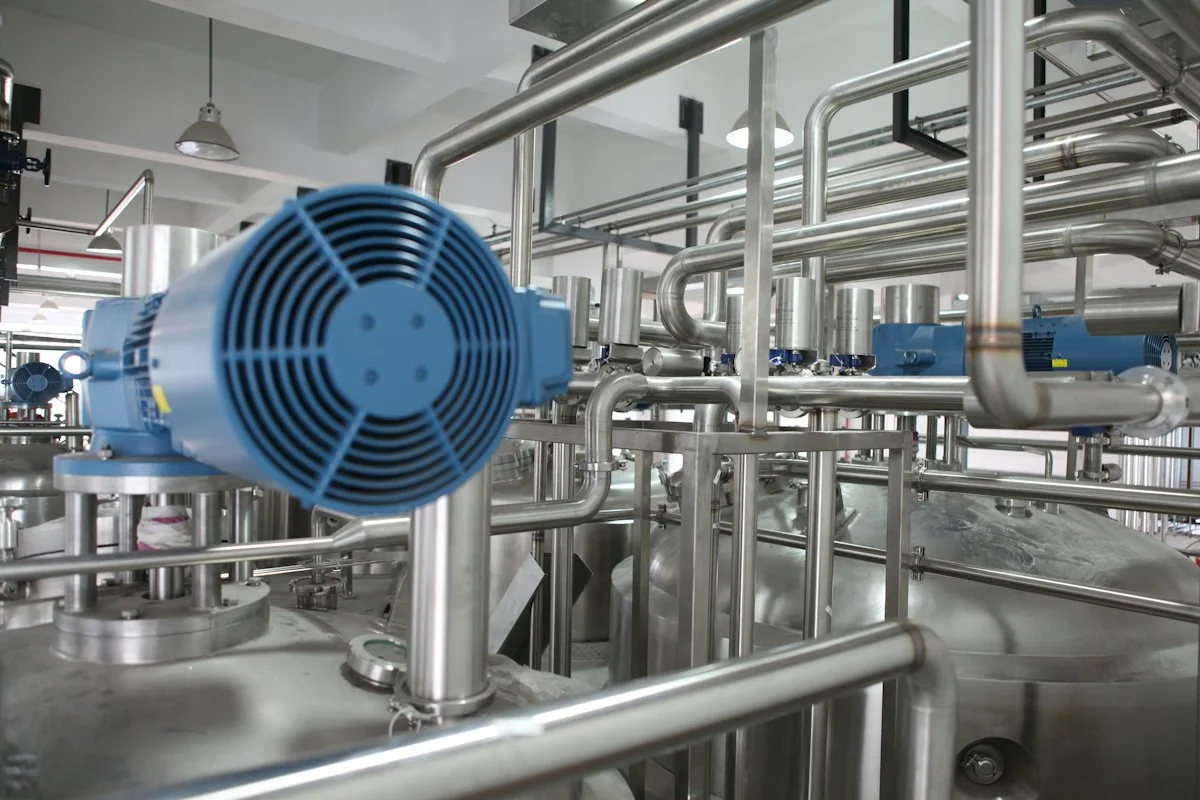
Review the Process Route
Use the route below as a starting configuration. Cooling, screening and collection are reviewed with the grinding system; the final list states which items are included, optional or supplied separately.
| Stage | Selection Question | Relevant Page |
|---|---|---|
| Crushing | Will the output meet the pulverizer feed requirement? | Crushers |
| Feeding | How will prepared material enter the mill at the required rate? | Project configuration |
| Pulverizing | Which grinding route fits the material and powder target? | Pulverizers |
| Cooling | Where is heat control needed and what services are required? | Low-Temperature / Cryogenic |
| Screening and collection | How will the powder be checked and handled? | Confirmed supply scope |
- 01Suitable Feed
- 02Crushing
- 03Controlled Feeding
- 04Pulverizing
- 05Screening/Collection as Required
Review the Process Route
Use the route below as a starting configuration. Cooling, screening and collection are reviewed with the grinding system; the final list states which items are included, optional or supplied separately.
Choose the Grinding Route
Compare ambient-temperature grinding with temperature-controlled or liquid-nitrogen options when heat behaviour affects the result. The cooling method and the material response should drive the decision, not an assumption that the coldest route is always necessary.
Balance the Stages
A steady grinding feed depends on how the crusher output is transferred, buffered and metered where needed. Review the rates and operating conditions of the connected stages together, including the capacity basis for the target powder specification.
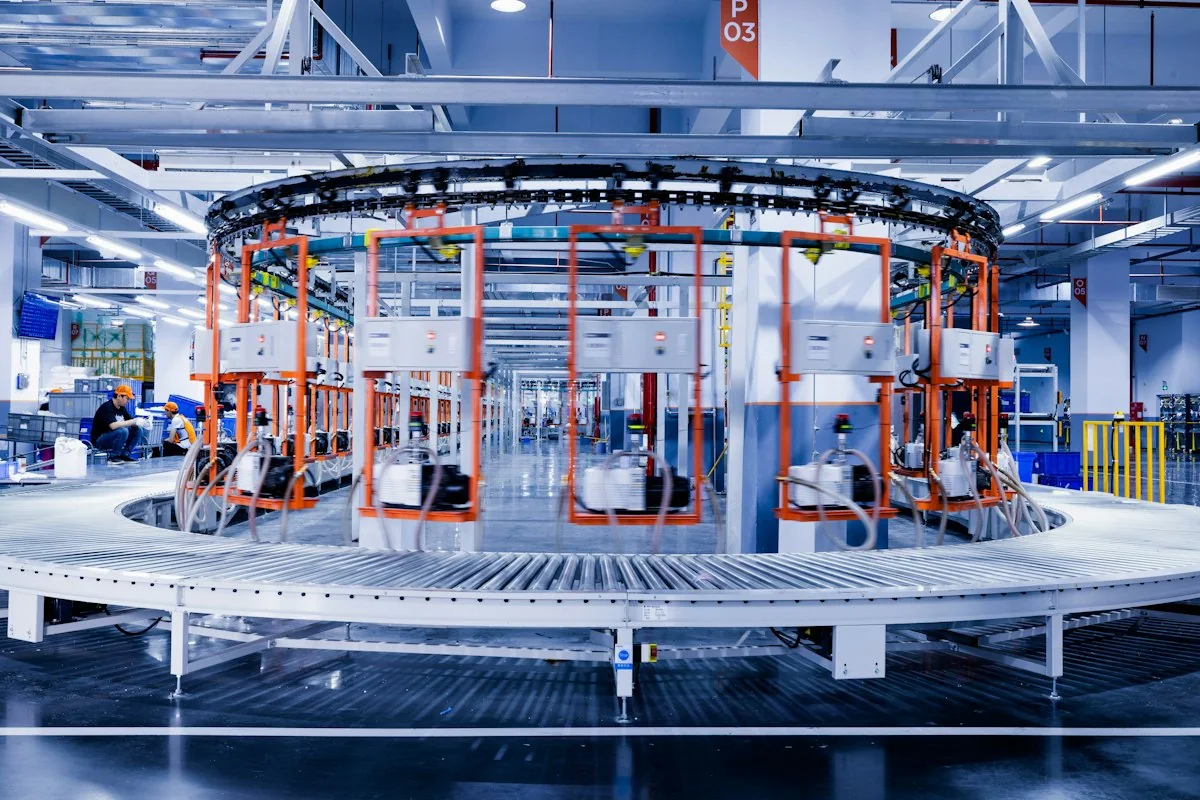
Configure Powder Handling
Discuss how the powder will be collected and transferred to the next operation. Identify any required screening, dust collection or other powder-handling measures individually, with suitability and site requirements reviewed for the actual material.
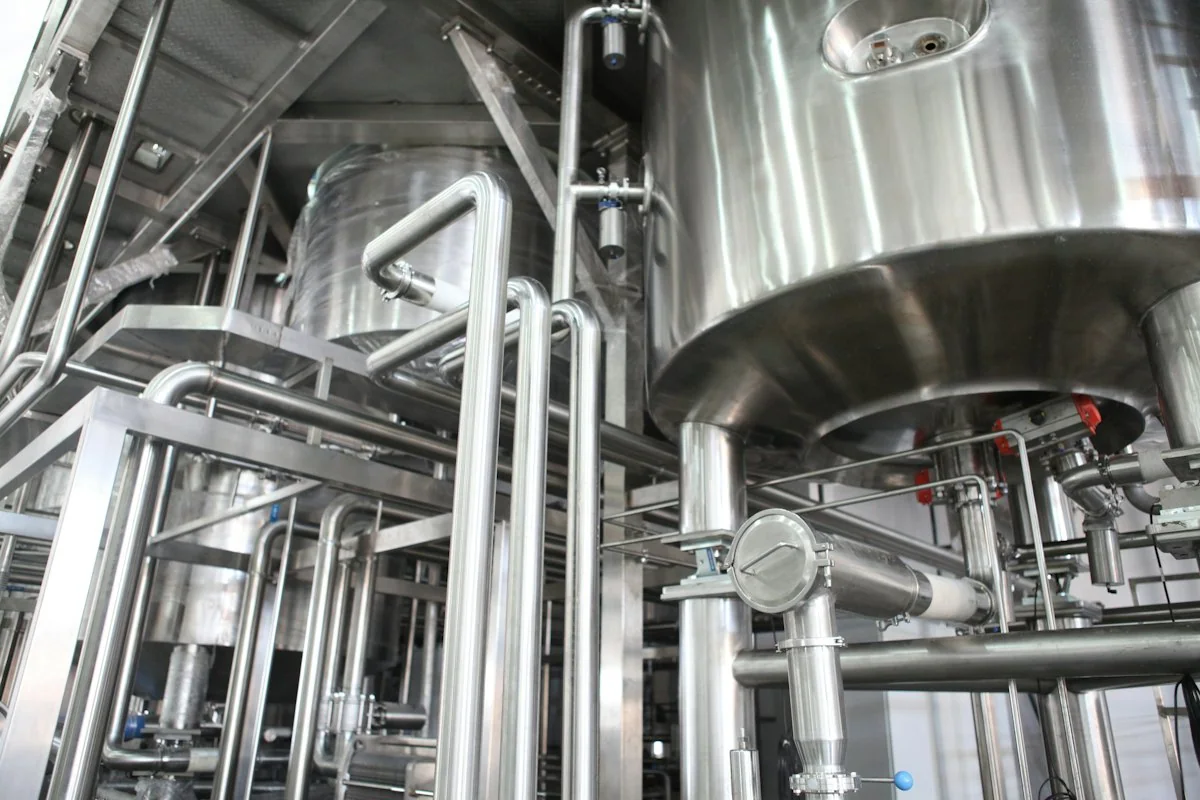
Configure Powder Handling
Discuss how the powder will be collected and transferred to the next operation. Identify any required screening, dust collection or other powder-handling measures individually, with suitability and site requirements reviewed for the actual material.
Check Layout and Scope
Review the floor space, machine access, electrical supply and cooling requirements. The agreed scope should separate the crusher, mill and auxiliary equipment from site works, utilities and later production stages.
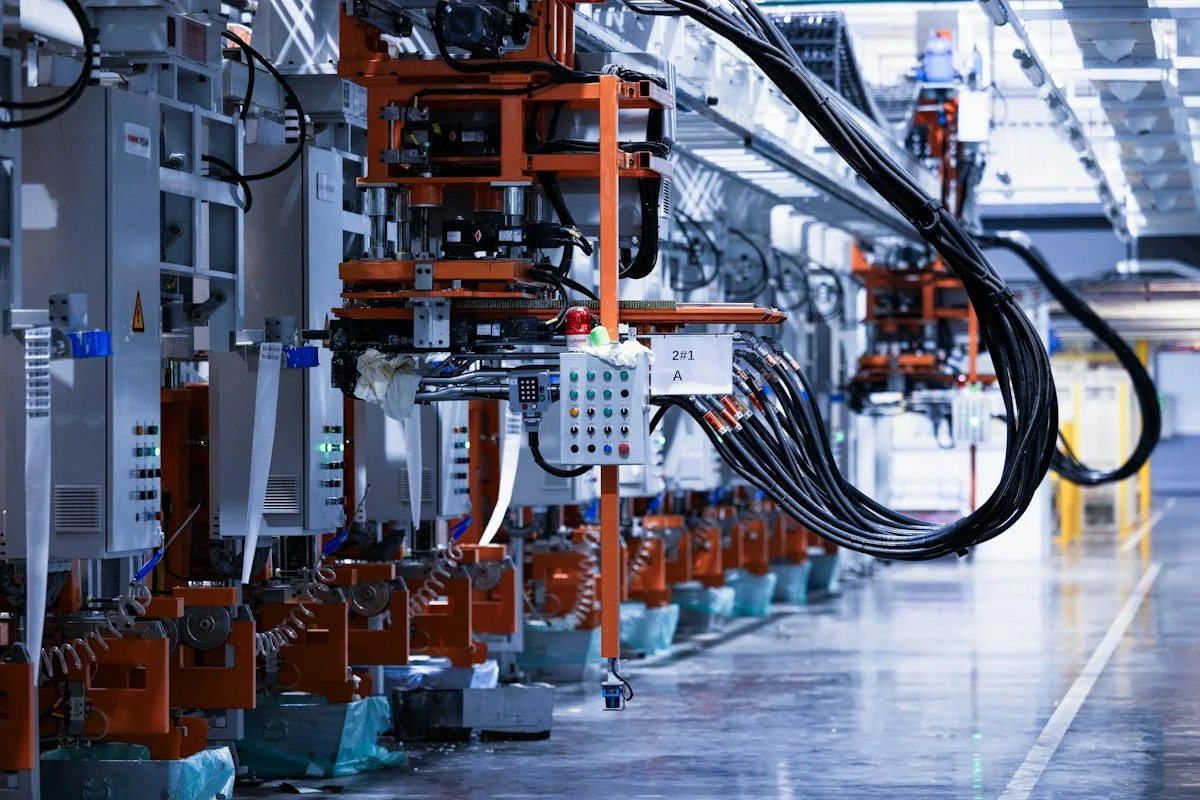
Review Factory Evidence
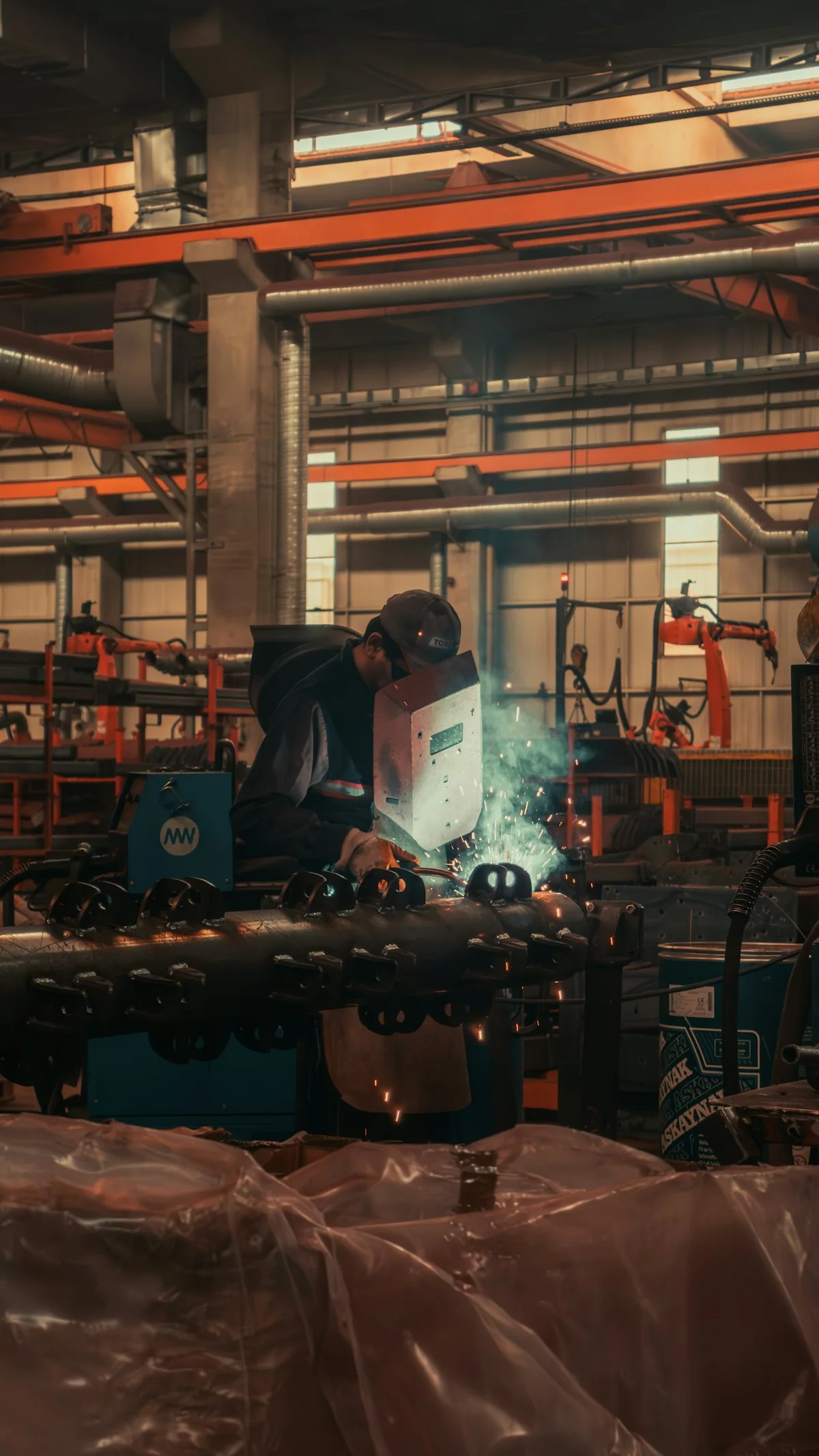
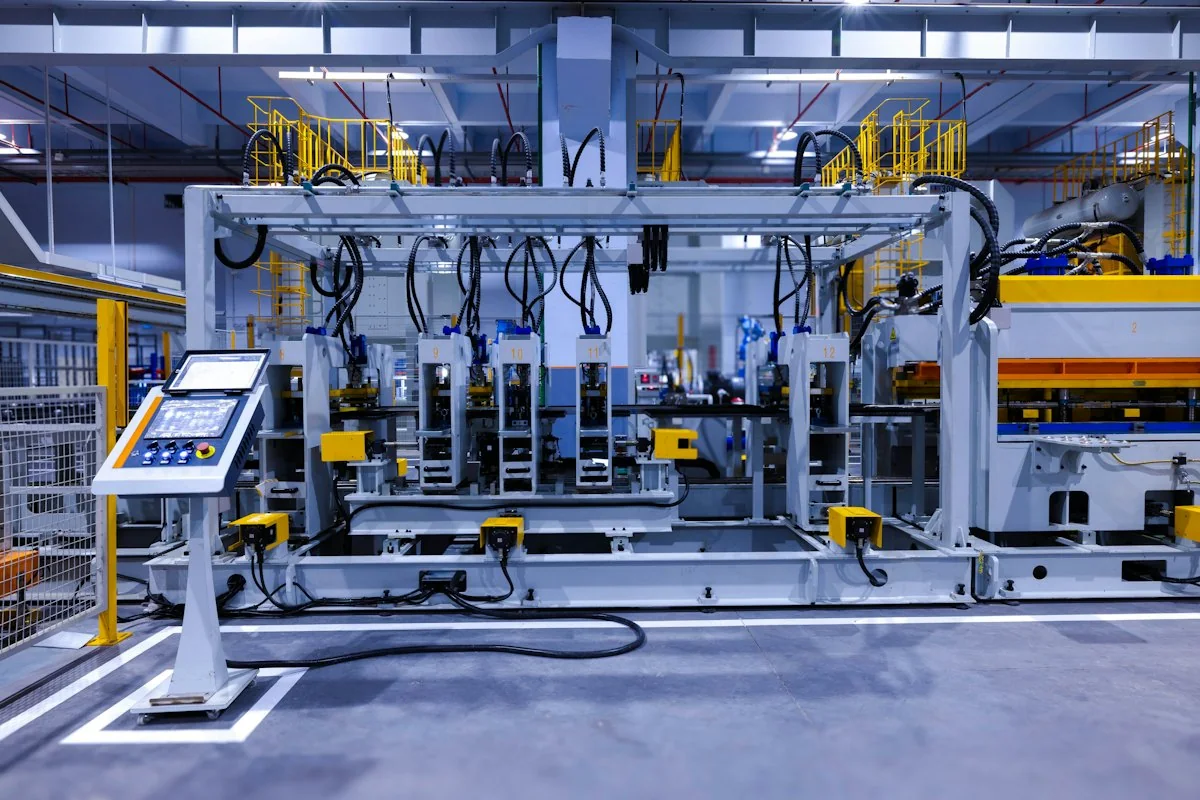
Use real equipment photographs and available material records to compare the proposed configuration. Any powder or throughput result should identify the material and conditions behind it. Discuss additional trials separately where required.
FAQ
Does this line include pelletizing?
No. Powder preparation is different from melt processing and pelletizing. Any later process must be separately identified in the supply scope.
Can the crusher be omitted?
Yes, when the incoming material already meets the selected pulverizer’s feed requirements. The line should include only the preparation stages actually needed.
Is liquid nitrogen always required?
No. The grinding route depends on material behaviour, the powder target and the required operating conditions.
How should I describe the powder size?
Provide your particle-size specification or sieve standard and the required acceptance method. Include the intended use of the powder.
Plan Your Powder Line
Share the starting material, feed dimensions, required powder specification and intended use. Add the target rate, available space and any current heat or feeding issue.
Include the details you already know. You do not need every specification to start.
What to Include
Use the details you already know. A model number is not required to begin.
1. YOUR MATERIAL
Material name and condition; largest starting dimensions; a photograph when available.
Describe thickness, mixed shapes or other details that affect feeding.
2. YOUR OUTPUT
Required powder, smaller pieces or regrind; the next process; the output specification and its measurement basis when known.
State the desired hourly throughput as a target, not a confirmed machine result.
3. YOUR SITE
Country/region; known power supply; available floor space and height; existing equipment; relevant cooling or nitrogen arrangements.
4. YOUR CONFIGURATION
Standalone machine, replacement machine or connected line.
Describe requested changes to feeding, discharge, cooling, controls, layout or connections.
7. WHAT TO AGREE IN THE PROPOSAL
Selected equipment; standard items; options; items supplied by others; relevant test/acceptance basis; documents; support and delivery responsibilities.
Please do not send unnecessary personal documents, passwords or unrelated confidential files.