Pipe Size Reduction Line
Plan pipe handling and size reduction around the stock you actually process. Match the pipe material, diameter, wall thickness and length to the preparation, feeding and reduction stages needed for your next operation.
On This Page
Describe Your Pipe Stock
Identify the pipe material and structure, including any multilayer or reinforced construction. Provide the maximum diameter, wall thickness and length, plus the proportion of fittings, offcuts or bundled material in the incoming feed.
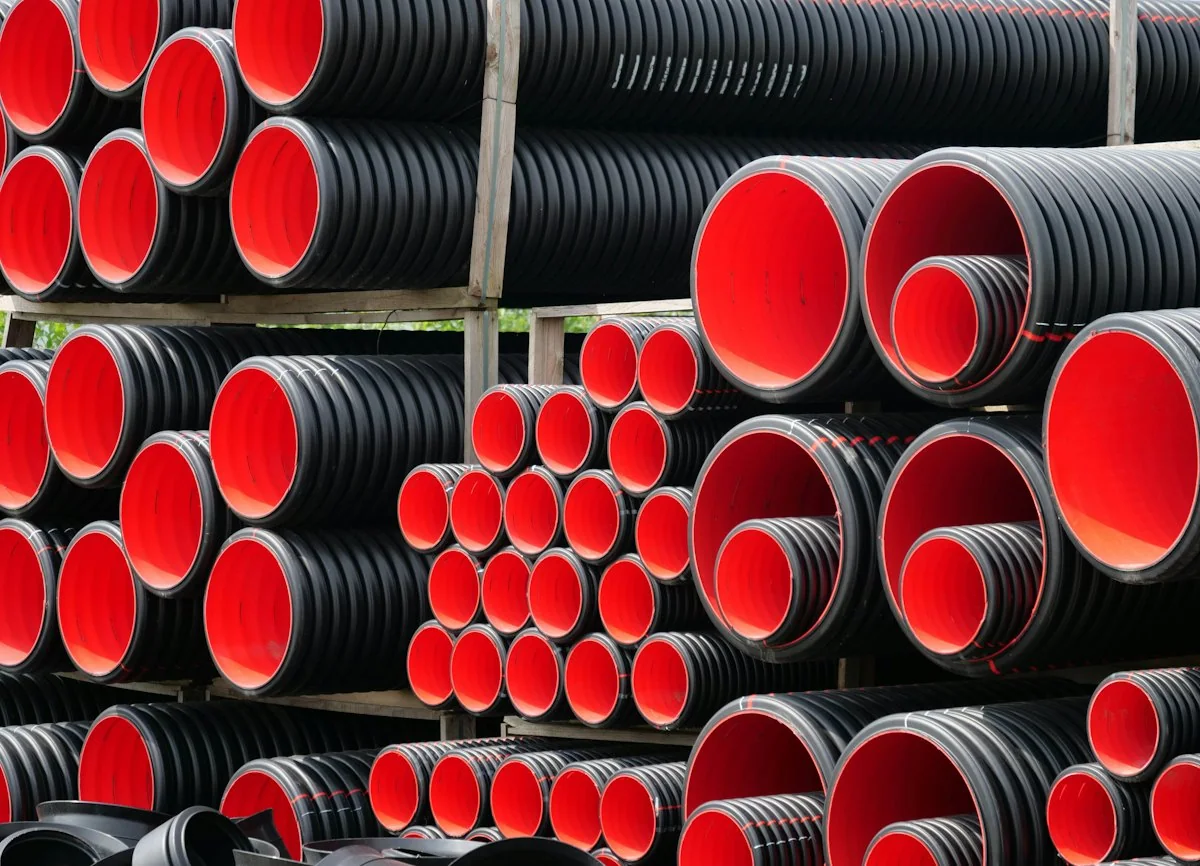
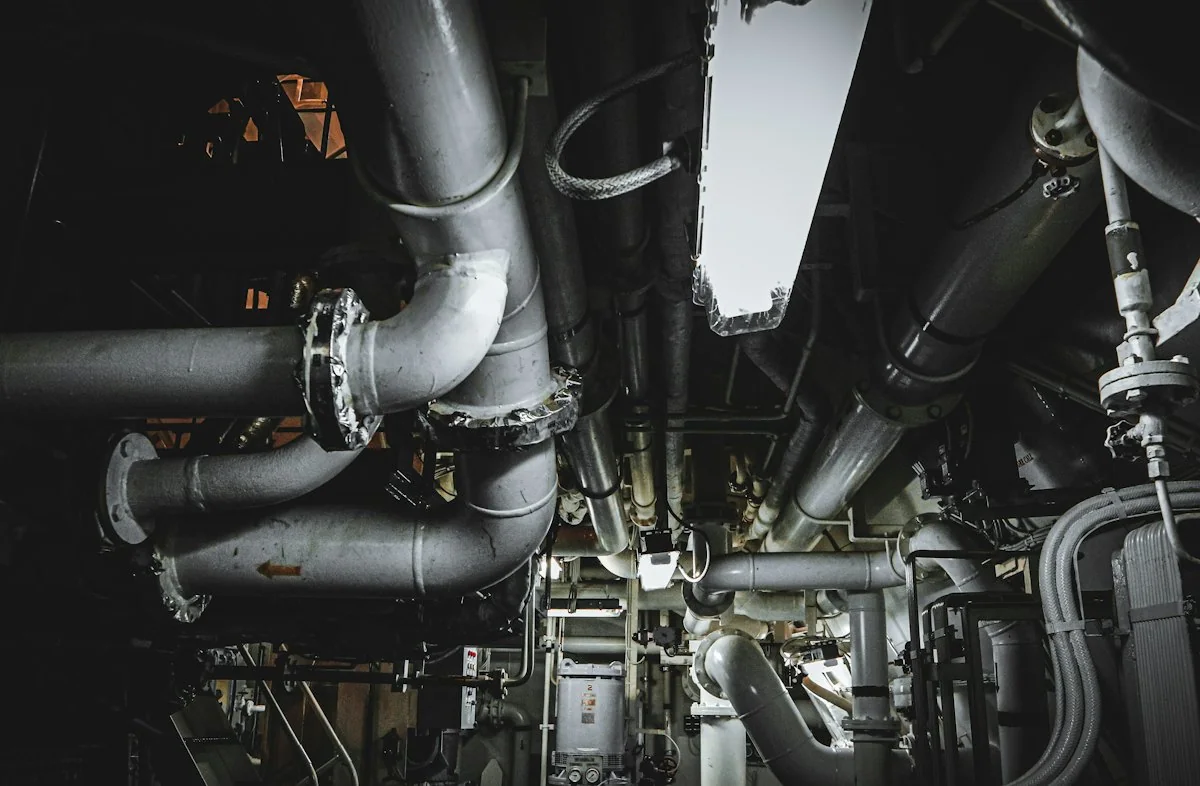
Choose the Feeding Route
Compare direct pipe feeding with preparation or pre-shredding where required by the dimensions and machine design. A long pipe, a short offcut and an elbow create different feeding questions even when the nominal diameter is similar.
- 01Prepared Pipe
- 02Pipe Crusher
- 01Oversize/Complex Feed
- 02Appropriate Preparation
- 03Reduction
Define the End Product
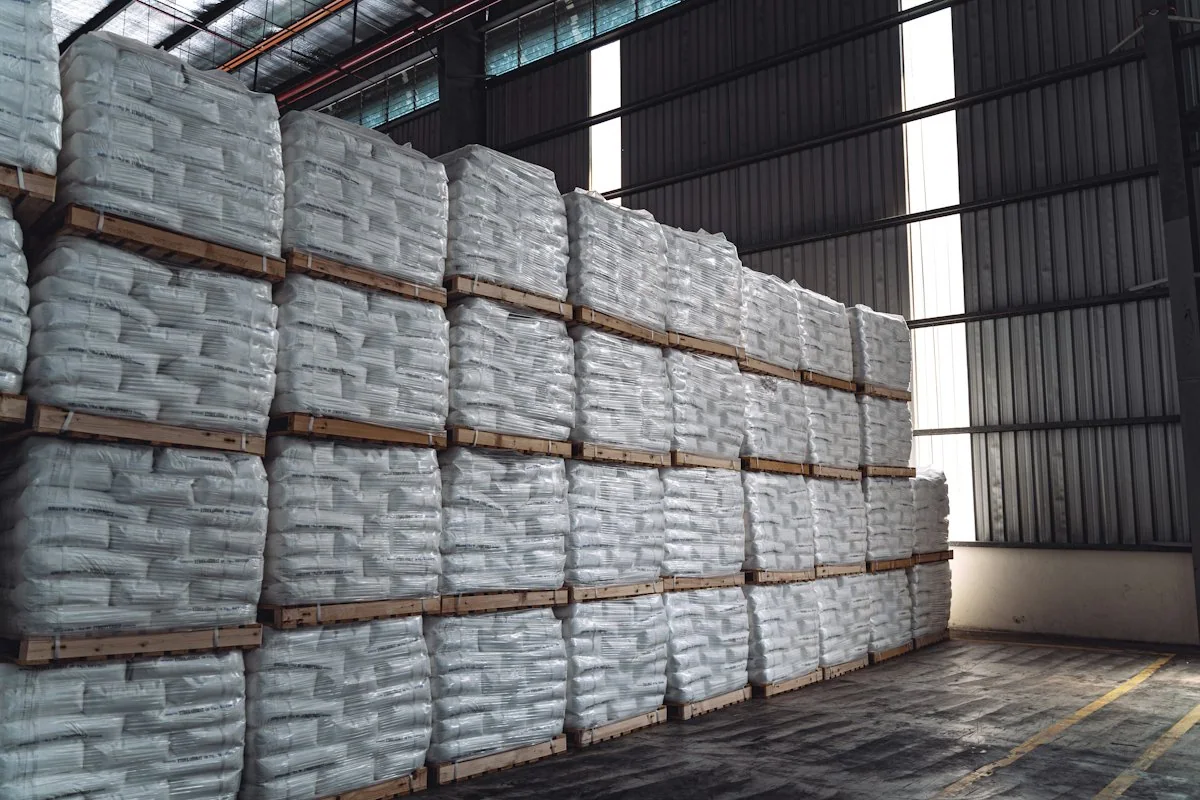
State whether you need smaller pieces, regrind for another operation or feed for pulverizing. The required next use determines how far the size-reduction line needs to go. Do not add grinding or other stages when crushed output already meets the requirement.
Regrind
Mill Feed
Define the End Product
State whether you need smaller pieces, regrind for another operation or feed for pulverizing. The required next use determines how far the size-reduction line needs to go. Do not add grinding or other stages when crushed output already meets the requirement.
Review the Stages
Build the route around the actual pipe stock and target output. The preparation and reduction equipment may differ between projects; each machine is selected for its role in the confirmed process.
| Stage | Role | Relevant Page |
|---|---|---|
| Preparation if required | Bring pipe stock into a suitable feeding condition. | Project-specific |
| Shredding if required | Prepare bulky or otherwise unsuitable feed for the next stage. | Shredders |
| Pipe crushing | Reduce appropriate pipe feed to the agreed next-stage requirement. | Pipe Crushers |
| Collection / transfer | Move output to the agreed receiving point. | Defined in scope |
| Pulverizing if required | Prepare powder only when the material and target justify it. | Pulverizers |
Allow Space for Handling
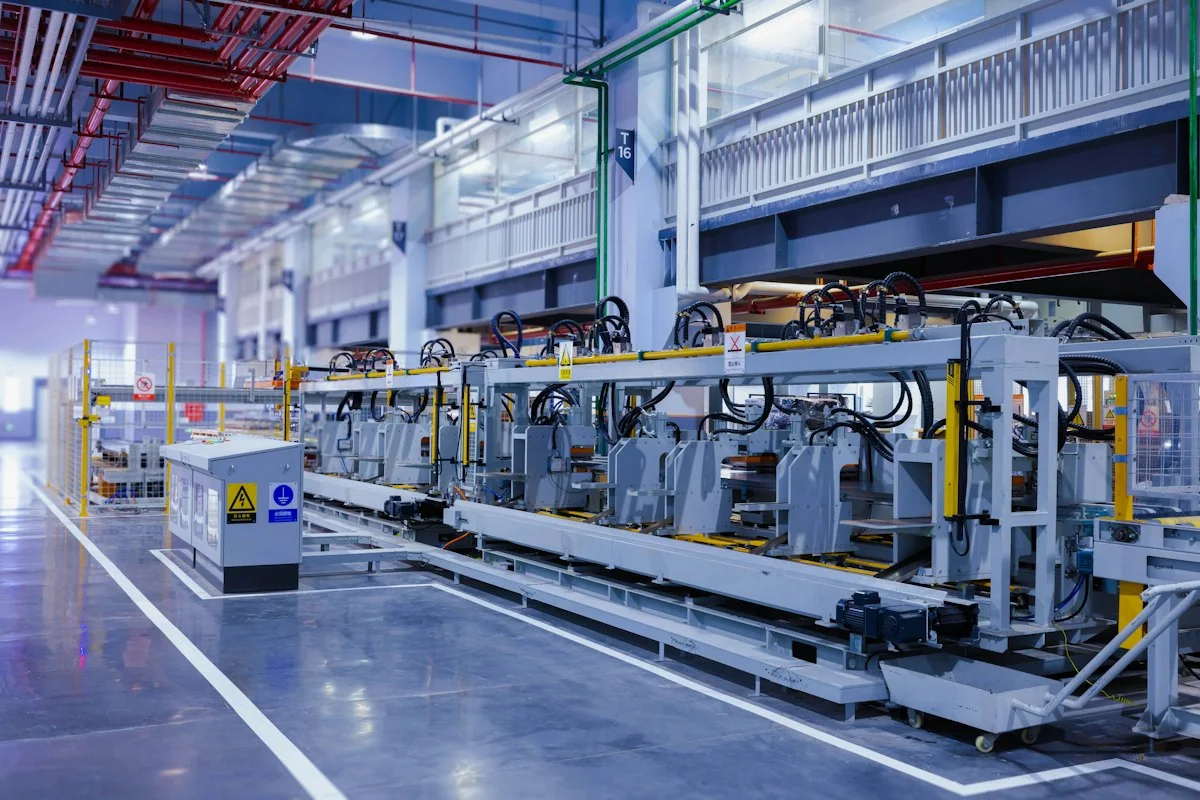
Include the pipe loading direction, stock length, feeding access and discharge route when reviewing the workshop layout. A machine footprint alone does not describe the space needed to handle long pipe stock.
Match Wear Parts
Review the blades and applicable screens for the selected equipment, keeping the pipe material and structure in view. Replacement parts should be linked to the actual machine reference and approved fitting details.
Configure the Supply
Discuss the feeding arrangement, reduction equipment, collection method and any connection to existing machinery. Washing, melt filtration, pelletizing and other recycling operations are not implied by a pipe size-reduction line.
See the Relevant Equipment
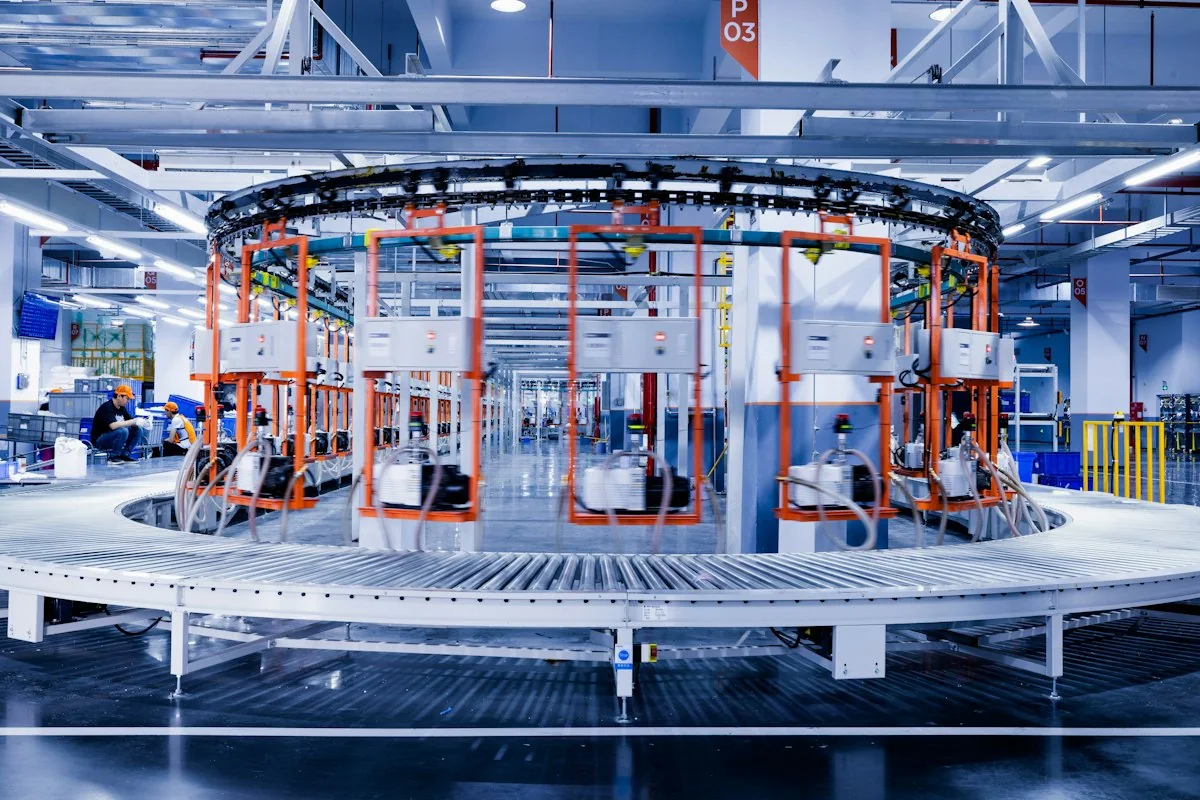
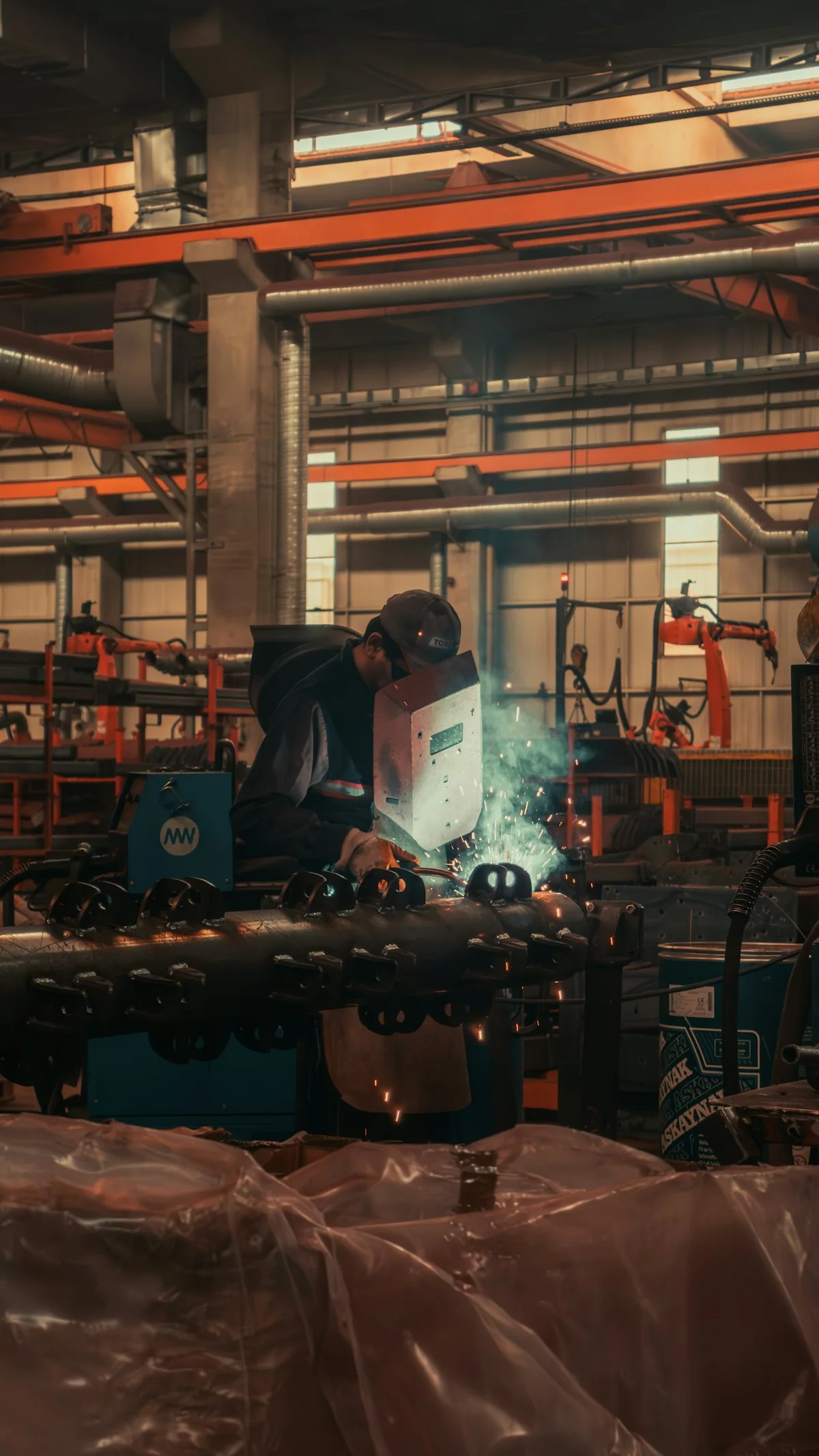
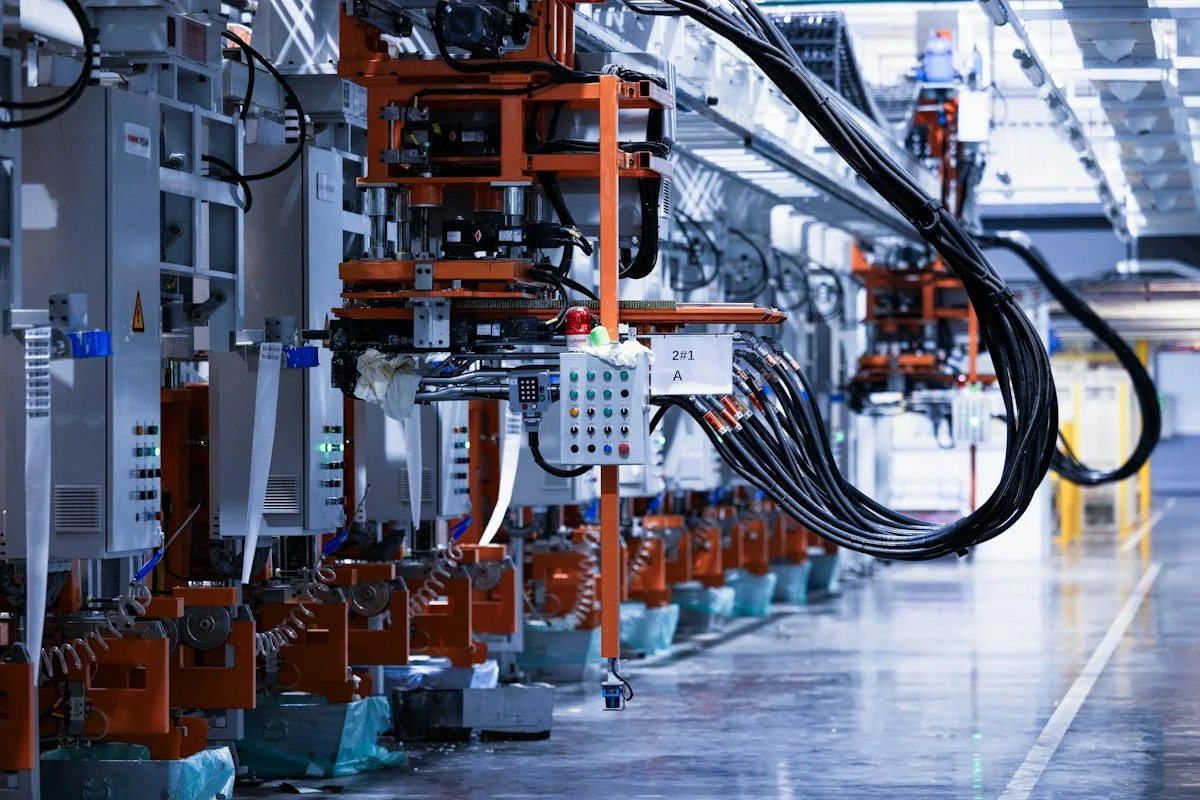
Review actual pipe-crusher images and factory information for the proposed machinery. Where a material run is available, check that the pipe dimensions and construction are relevant to your requirement.
FAQ
Can full-length pipes be fed directly?
That depends on the actual pipe dimensions and selected feeding design. Provide the length as well as the diameter and wall thickness for review.
Do I need a shredder before the pipe crusher?
Only when the feed and selected crusher require that preparation. A shredder is not automatically part of every pipe line.
Can the same line process pipe fittings?
Show the fittings and their dimensions separately. Their shape and feeding behaviour must be reviewed with the proposed configuration.
Does the line wash and pelletize the material?
Not by default. This direction covers size reduction. Additional recycling operations need their own confirmed equipment and supply scope.
Plan Your Pipe Processing Route
Send the pipe material, diameter, wall thickness and length, plus the mix of fittings or offcuts. Include the required output, available handling space and target rate.
Include the details you already know. You do not need every specification to start.
What to Include
Use the details you already know. A model number is not required to begin.
1. YOUR MATERIAL
Material name and condition; largest starting dimensions; a photograph when available.
Describe thickness, mixed shapes or other details that affect feeding.
2. YOUR OUTPUT
Required powder, smaller pieces or regrind; the next process; the output specification and its measurement basis when known.
State the desired hourly throughput as a target, not a confirmed machine result.
5. PIPE EQUIPMENT
Pipe material, outside diameter, wall thickness and full feed length.
Show fittings or mixed shapes that will be processed.
3. YOUR SITE
Country/region; known power supply; available floor space and height; existing equipment; relevant cooling or nitrogen arrangements.
4. YOUR CONFIGURATION
Standalone machine, replacement machine or connected line.
Describe requested changes to feeding, discharge, cooling, controls, layout or connections.
7. WHAT TO AGREE IN THE PROPOSAL
Selected equipment; standard items; options; items supplied by others; relevant test/acceptance basis; documents; support and delivery responsibilities.
Please do not send unnecessary personal documents, passwords or unrelated confidential files.