Shredding and Crushing Line
Prepare bulky feed in two stages when one-step crushing does not fit your material. Discuss a shredder for the first reduction, a crusher for the next size target and the connections that keep the stages working together.
On This Page
When Two Stages Make Sense
A two-stage route is worth discussing when the incoming material does not fit the selected crusher’s feeding or working requirements. The first stage prepares a more manageable feed; the second stage addresses the next size-reduction target. If a single machine already meets the requirement, a second stage should not be added without a reason.
Define Input and Output
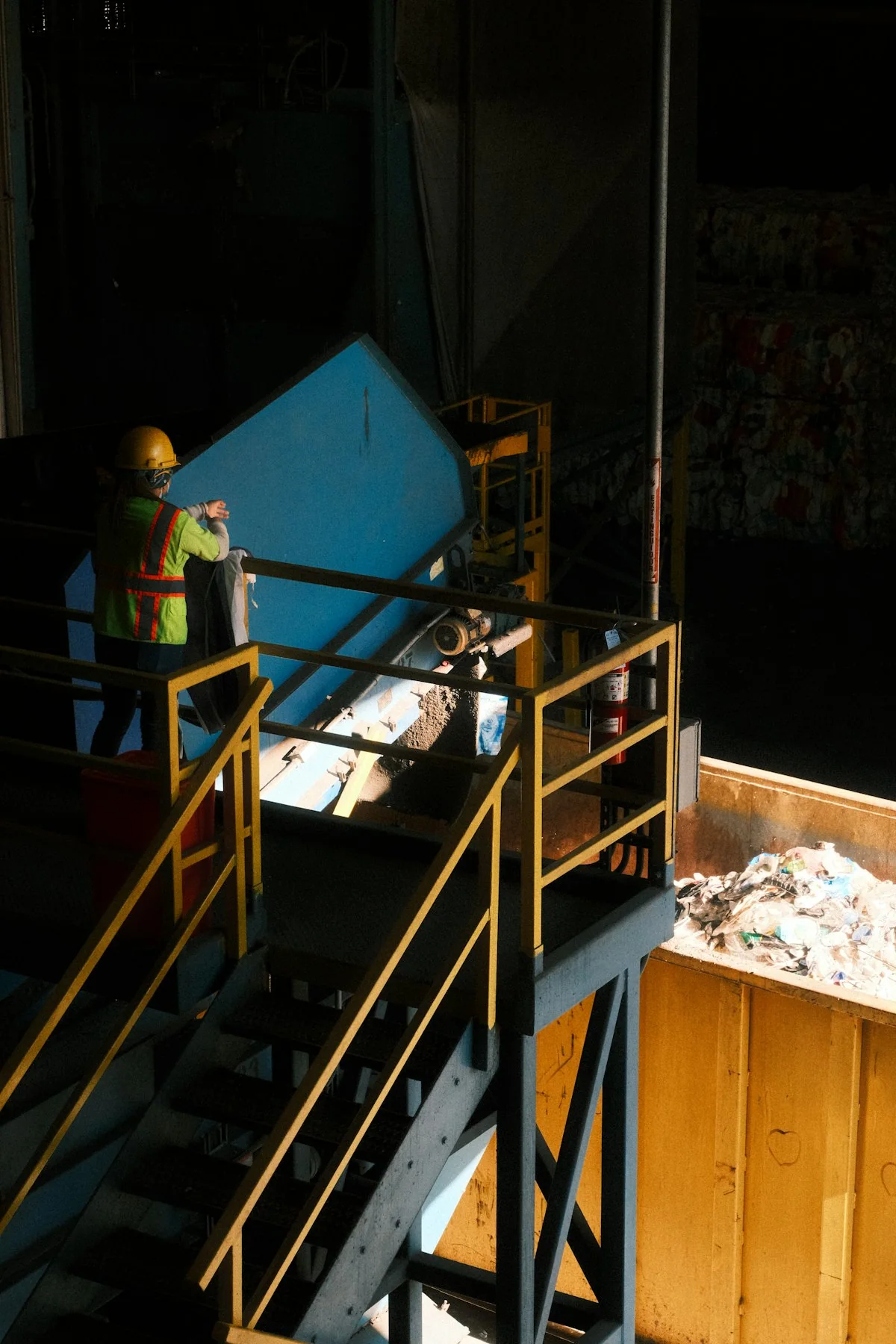
Describe the actual incoming material, its largest relevant dimensions and its condition. Then define the discharge needed by the next production process. Keep the required output separate from any unverified claim about what a particular model can achieve.
Input Material
Feed Dimensions
Required Output
A Connected Process
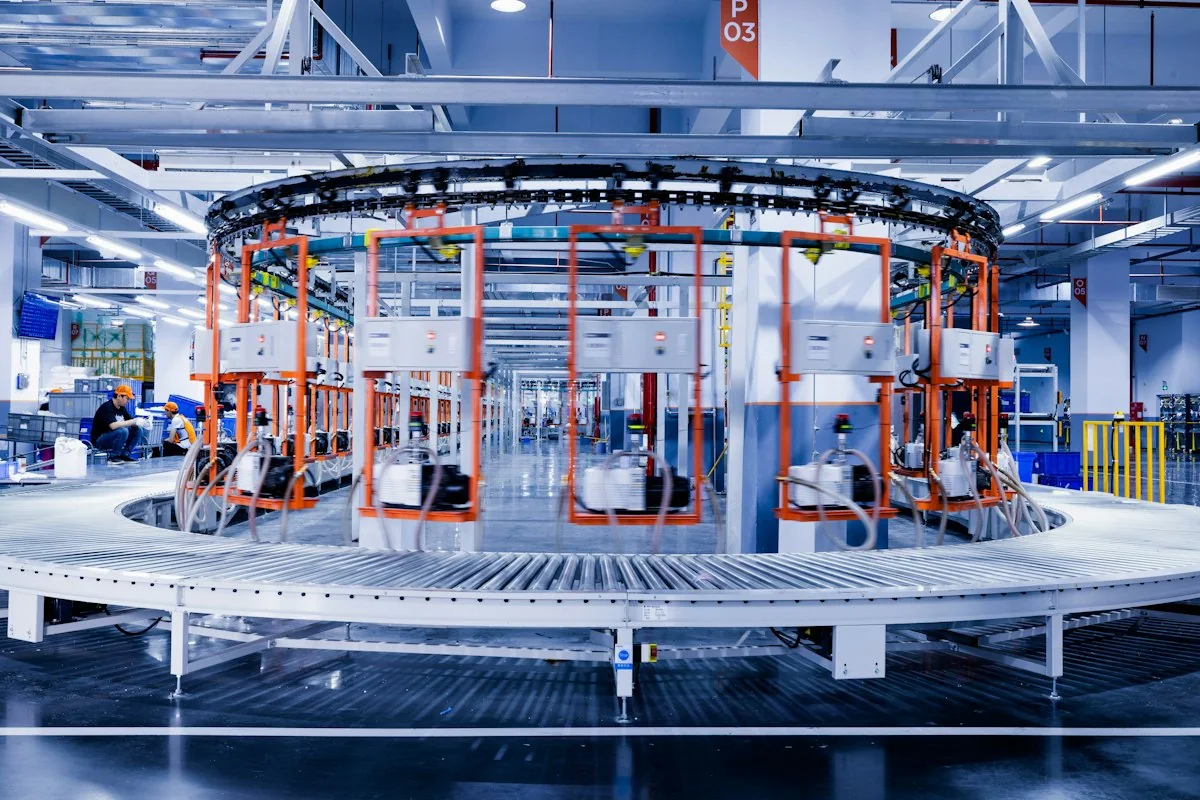
Review the route below as a configuration starting point. Feeding and transfer arrangements depend on the selected equipment and site, and are included only when stated in the proposal.
| Stage | Purpose | Relevant Page |
|---|---|---|
| Feed preparation | Remove or manage unsuitable incoming conditions before machine selection. | Project-specific |
| Shredding | Prepare bulky material for the receiving requirements of the next stage. | Shredders |
| Transfer / buffer | Match the feed between stages where a separate connection is needed. | Defined in scope |
| Crushing | Reduce the prepared feed for the next processing requirement. | Crushers |
| Collection | Receive the output in the agreed handling arrangement. | Defined in scope |
A Connected Process
Review the route below as a configuration starting point. Feeding and transfer arrangements depend on the selected equipment and site, and are included only when stated in the proposal.
Fit Your Workshop
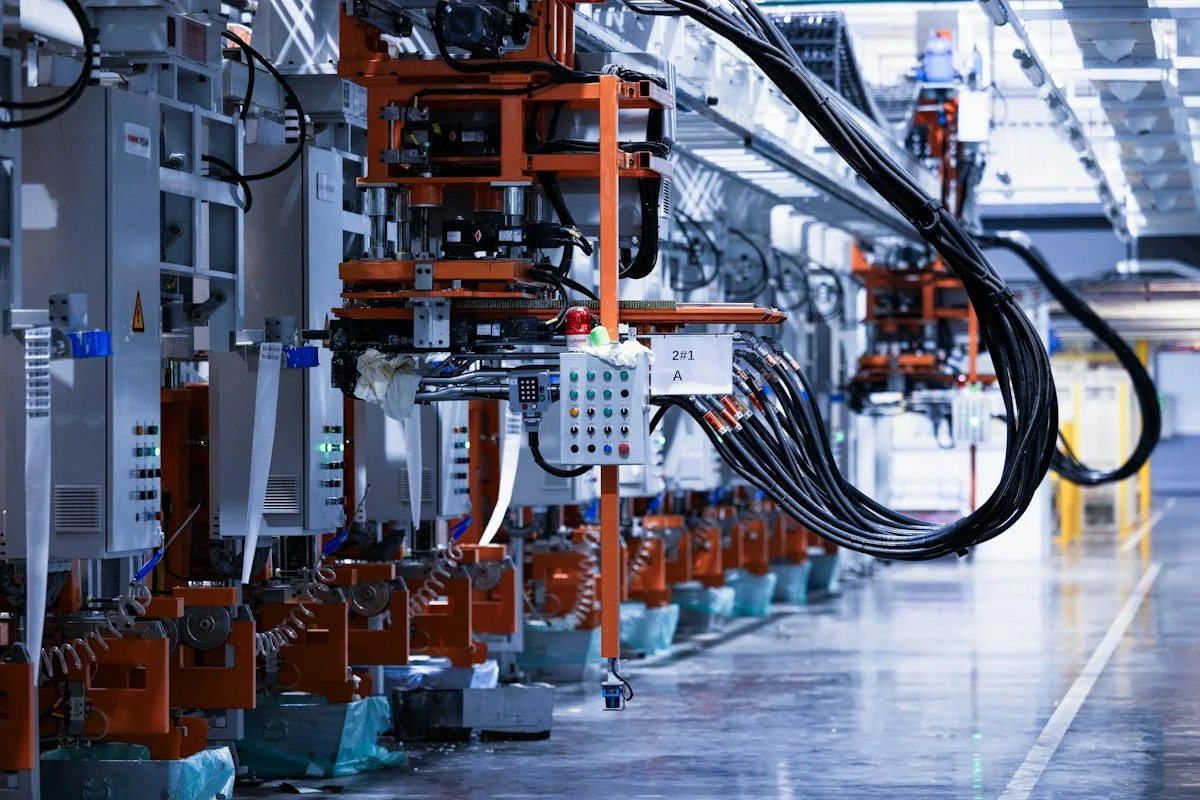
Include the available length, width, height and material-handling access in the layout review. Leave space for feeding, inspection and wear-part changes as well as the machine bodies. Existing equipment can be considered where its specifications and interfaces are known.
Define the Supply Scope
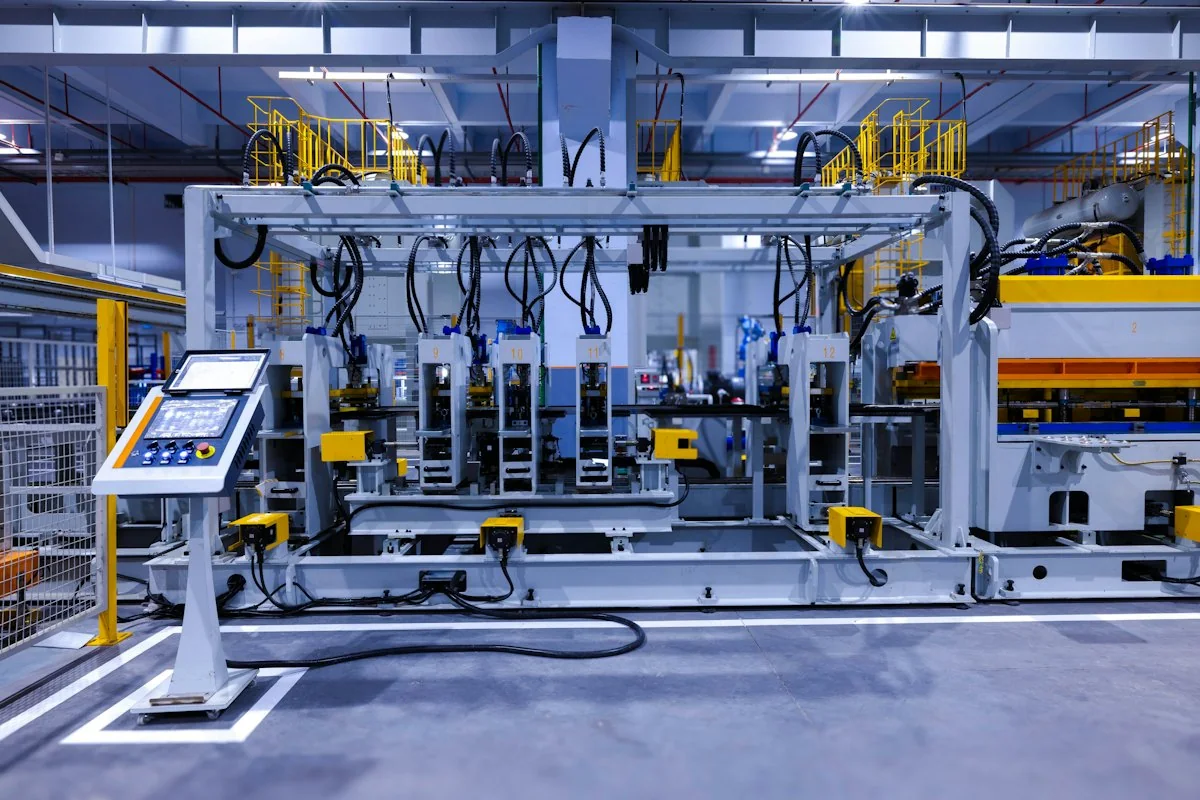
Confirm the selected machines, feeding or transfer equipment, collection items and electrical interfaces individually. Site works, external utilities and any equipment supplied by others should be listed separately so the quotation is a clear project reference.
Define the Supply Scope
Confirm the selected machines, feeding or transfer equipment, collection items and electrical interfaces individually. Site works, external utilities and any equipment supplied by others should be listed separately so the quotation is a clear project reference.
Agree on the Result
Define the material, feed condition, required discharge and measurement method used to review performance. Where a trial is agreed, keep its conditions with the result. A production target and a documented test result should be displayed as different information.
Factory and Support
Discuss the connected configuration with the factory and review the available build information for the selected equipment. Confirm packing, documentation, installation responsibilities and parts support in the agreed scope.
FAQ
Does the first stage have to be a double-shaft shredder?
No. The appropriate shredder depends on the incoming material, feeding arrangement and required discharge. Compare the actual configuration rather than selecting by shaft count alone.
Can this line make powder?
This direction addresses shredding and crushing. A powder target may require a separate pulverizing stage and a material-specific grinding review.
Can I keep my existing crusher?
Provide its feed limits, current operating information and connection details. The proposed shredder and transfer arrangement must match that equipment.
Are conveyors included?
Only when included in the agreed equipment list. Feeding, transfer and collection are defined for each project.
Plan Your Two-Stage Line
Send the actual feed, required final output and existing equipment details. Add available space and the target working rate for a focused configuration discussion.
Include the details you already know. You do not need every specification to start.
What to Include
Use the details you already know. A model number is not required to begin.
1. YOUR MATERIAL
Material name and condition; largest starting dimensions; a photograph when available.
Describe thickness, mixed shapes or other details that affect feeding.
2. YOUR OUTPUT
Required powder, smaller pieces or regrind; the next process; the output specification and its measurement basis when known.
State the desired hourly throughput as a target, not a confirmed machine result.
3. YOUR SITE
Country/region; known power supply; available floor space and height; existing equipment; relevant cooling or nitrogen arrangements.
4. YOUR CONFIGURATION
Standalone machine, replacement machine or connected line.
Describe requested changes to feeding, discharge, cooling, controls, layout or connections.
7. WHAT TO AGREE IN THE PROPOSAL
Selected equipment; standard items; options; items supplied by others; relevant test/acceptance basis; documents; support and delivery responsibilities.
Please do not send unnecessary personal documents, passwords or unrelated confidential files.