China Pipe Crusher Factory
Match pipe-crushing equipment to your material, pipe diameter, wall thickness and length. Discuss direct feeding, preparation and discharge options so the selected machine fits both your pipe stock and the next production step.
On This Page
Show Your Pipe Material
Send the pipe material, outside diameter, maximum length and wall thickness. Include photographs showing fittings, profiles or mixed shapes when they will be processed in the same project.
Clear pipe information lets the review start from your real stock. Measure several pieces rather than relying on a nominal size, and photograph the ends so the wall can be seen. If pipes arrive in mixed sizes, state the largest and the most frequent.
- Pipe material and grade, including any multilayer construction
- Largest outside diameter, measured on actual stock
- Maximum pipe length as it arrives on site
- Wall thickness measured at the pipe end
- Photos of fittings, profiles or bundled offcuts in the mix
- Pipe condition, such as clean, dirty or contaminated
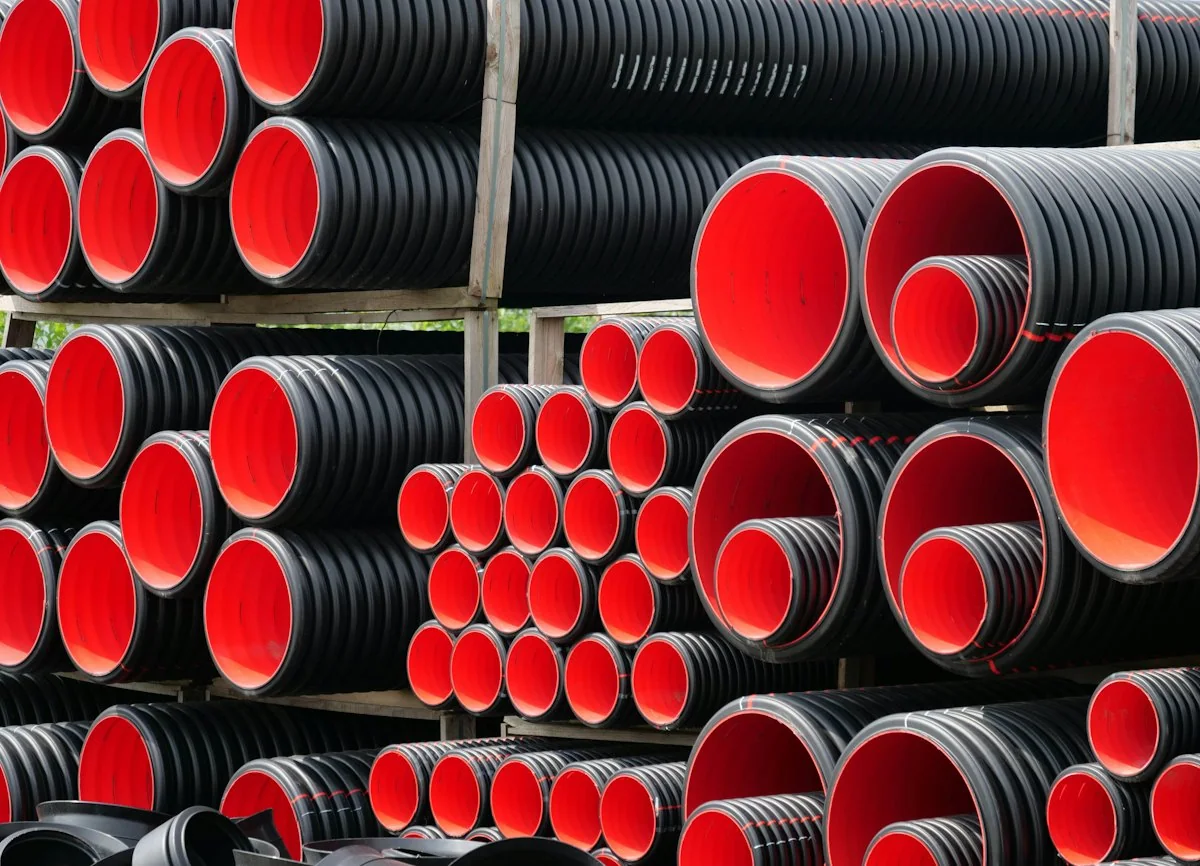
Photograph pipe ends beside a measuring rule so the outside diameter and wall thickness can be read from the same image.
- Material
- Diameter
- Length
- Wall Thickness
Diameter and Length
The largest outside diameter describes only part of the feeding problem. Full pipe length and the space available in front of the hopper also matter.
Wall and Structure
Wall thickness, multilayer construction and reinforcement should be identified before discussing a cutting arrangement.
Pipe or Fitting
Straight pipes, elbows, fittings and bundled offcuts do not enter the machine in the same way. Show the actual mix to be processed.
Confirm the Feeding Method
Explain whether pipes arrive as short offcuts, long lengths or prepared pieces. The machine’s actual hopper and cutting arrangement determine the feeding method that can be proposed.
Your feeding condition is the starting point, not the machine type. Choose the condition closest to your pipe stock below, then check with the proposed model whether that feeding approach can actually be offered.
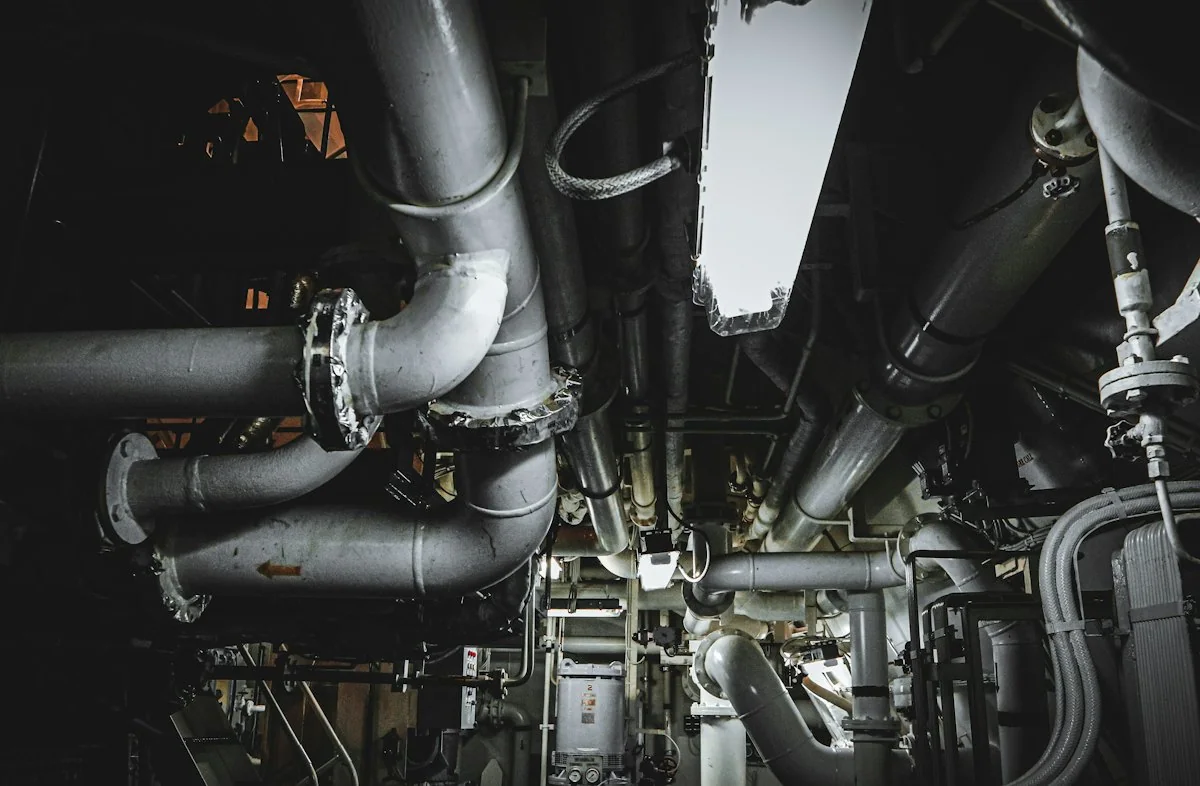
Short Offcuts
Short pieces may be loaded loosely by hand or by conveyor. Describe the range of lengths and how much material arrives at once.
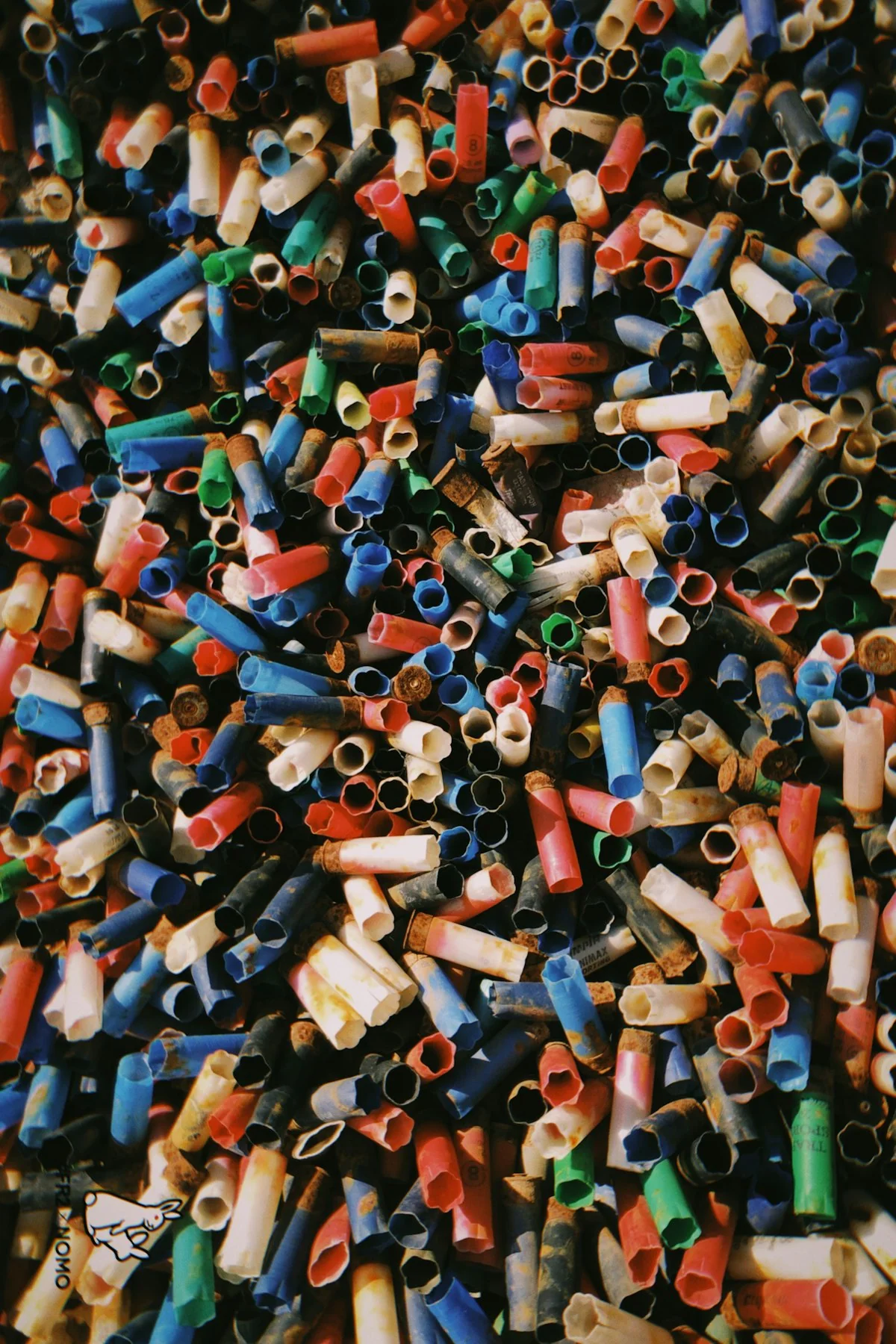
Long Lengths
Long pipes raise questions about hopper design, feeding angle and the space in front of the machine. Whether they can be fed without cutting must be confirmed for the specific model.
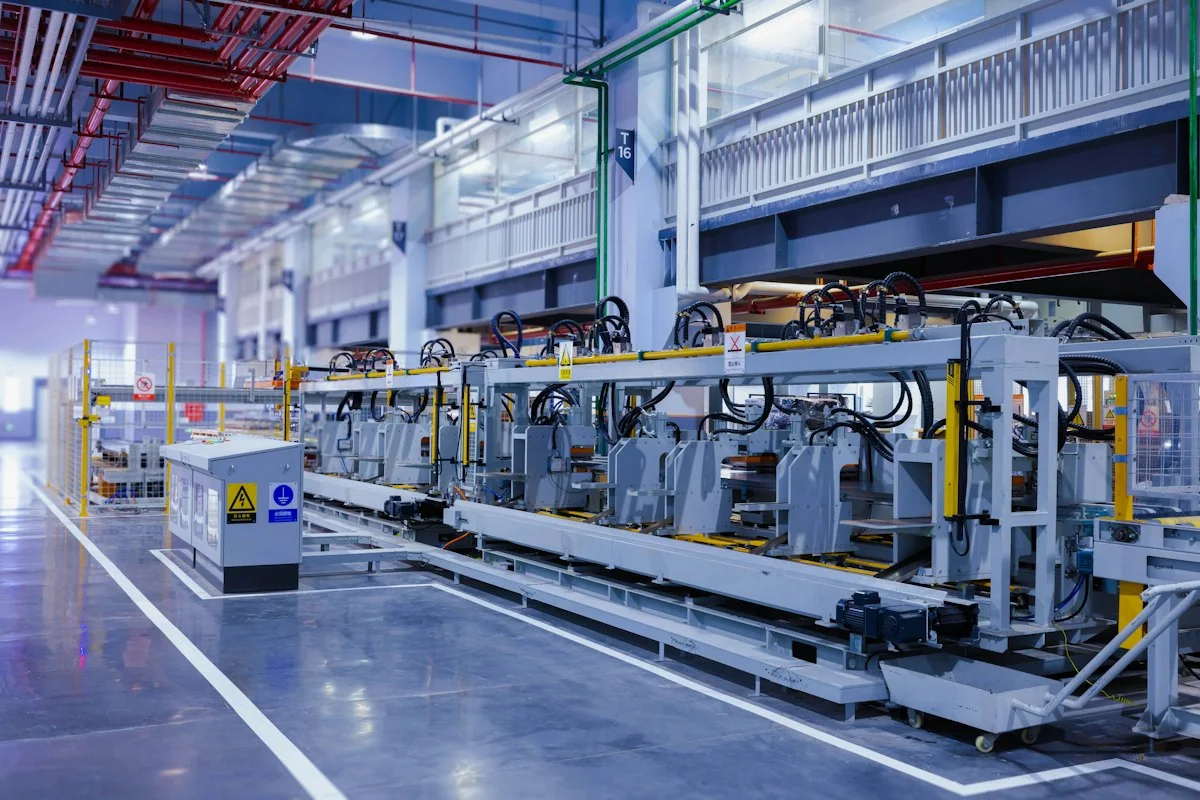
Prepared Pieces
Pipes cut or pre-reduced in an earlier step change the feeding question. State the prepared size and the equipment used so both stages can be reviewed together.
Define the Next Use
State what will happen to the material after crushing. The required size, cleanliness and consistency should be reviewed against that next step rather than described only as recycled material.
The next step defines what a good result looks like. Share the requirement of the process, customer or equipment that will receive the crushed material, and send a photo of acceptable output if available.
Output Size Requirement
State the size range the next step accepts and how you currently check it.
Cleanliness and Dust
Note whether fines, dust or contamination are a problem for the receiving step.
Collection Method
Describe whether output is bagged, conveyed or collected in bins.

Compare Pipe Models
Compare the confirmed pipe limits, hopper arrangement, cutting chamber, installed power and output basis. A single diameter value does not describe the whole application.
Read the columns together, since a model that suits your diameter may still need review for length or wall thickness. Where a value is not shown, ask for it with its basis.
Pipe Diameter
Check the confirmed maximum outside diameter against your largest pipe, measured on real stock. Ask whether the figure applies to the material you will process.
Wall Thickness
Compare the stated wall limit with your thickest pipes, including multilayer or reinforced walls. Thick walls can change the cutting arrangement that should be proposed.
Feed Length
Check the length the hopper can accept against your pipe as delivered. Where your pipes are longer, ask whether cutting or another preparation step is expected.
Feeding Method
Review whether the model is fed by hand, by conveyor or through a specific pipe feeding arrangement. Match this to how pipes reach the machine in your workshop.
Discuss My Configuration
Send your pipe diameter, wall thickness and length to compare these models against your stock.
Check Preparation Options
Review whether cutting, pre-shredding or another preparation step is needed for the actual pipe feed. Identify any existing equipment that can perform that step before expanding the supply scope.
Preparation should be added for a reason, not by default. Working through the steps below shows whether your pipe can go straight to the crusher or needs cutting or shredding first, and whether equipment you already own can do that work.
Temporary photo 01Measure Your Incoming Pipe
Record the longest, widest and thickest-walled pipes you expect to process. Use real stock rather than order specifications.
Temporary photo 02Compare with Confirmed Limits
Check those dimensions against the confirmed feed limits of the proposed model. Note which pipes fall outside them.
Temporary photo 03Review Existing Equipment
List any saws, cutters or shredders already on site that could prepare pipes. Their output size matters for the crusher feed.
Temporary photo 04Add Preparation Where Needed
If a further step is still required, discuss a cutting or shredding stage and how its discharge will feed the crusher.
Review Blades and Screens
Confirm the installed cutting tools and screen arrangement of the selected model. Keep the replacement references linked to the machine specification.
Blades and screens are easier to reorder when the references are agreed at the start. Ask for photos of the installed parts on the same series, and store the references with your machine documents.
Temporary photo Rotor Blades
Ask how the rotor blades are arranged and fixed for the selected model. Confirm the reference used for replacement orders.

Temporary photo Fixed Blades
Check the position and mounting of the fixed blades in the chamber. Ask whether their setting needs adjustment after replacement.

Temporary photo Discharge Screen
Where a screen is fitted, ask how its opening relates to the output you need. Screen access also affects routine changes.
Temporary photo Compatible References
Ask which part references match your exact model and configuration. This avoids ordering blades or screens that fit a similar machine but not yours.
Fit Your Pipe Feed
Discuss hopper and feeding arrangements around the actual pipe length, diameter and wall thickness. The configuration can also address preparation, discharge collection and the connection to the next process where required.
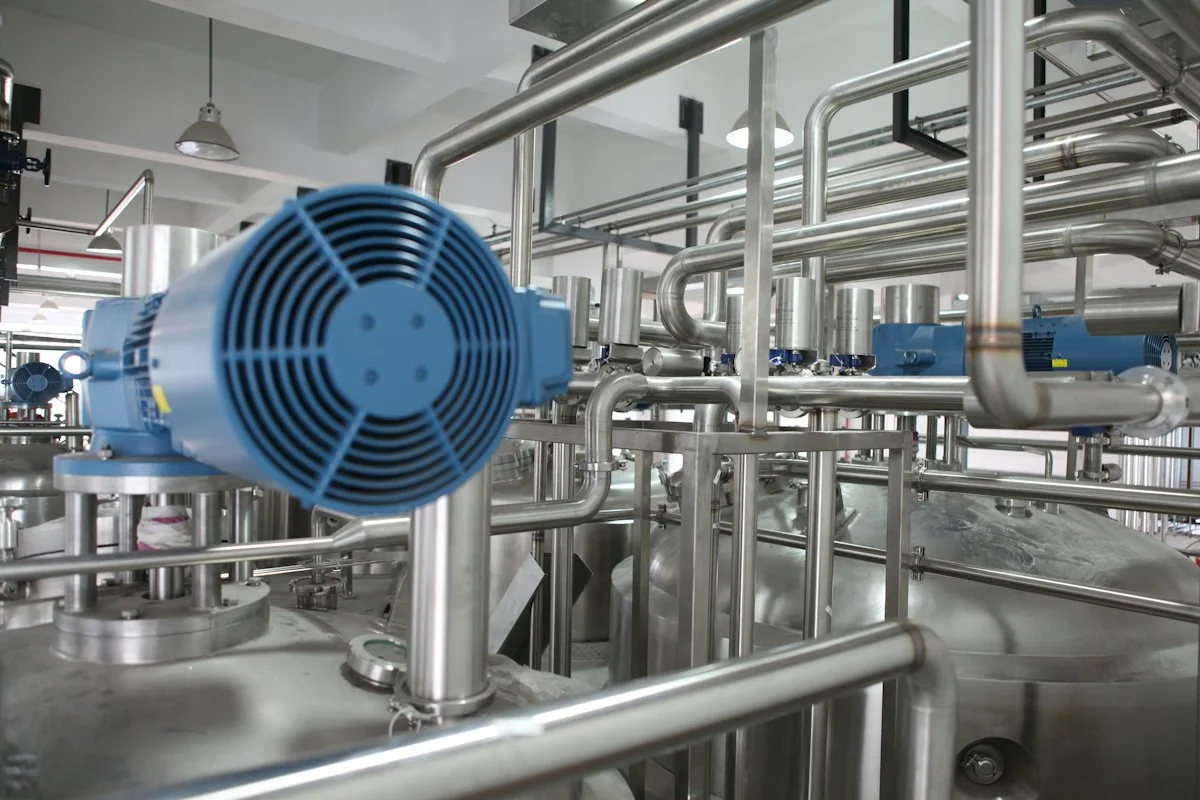
Temporary photo Pipe Feeding
Discuss the hopper shape, feeding angle and any feeding support around your longest and widest pipes. Confirm which feeding items are included in the proposed supply.
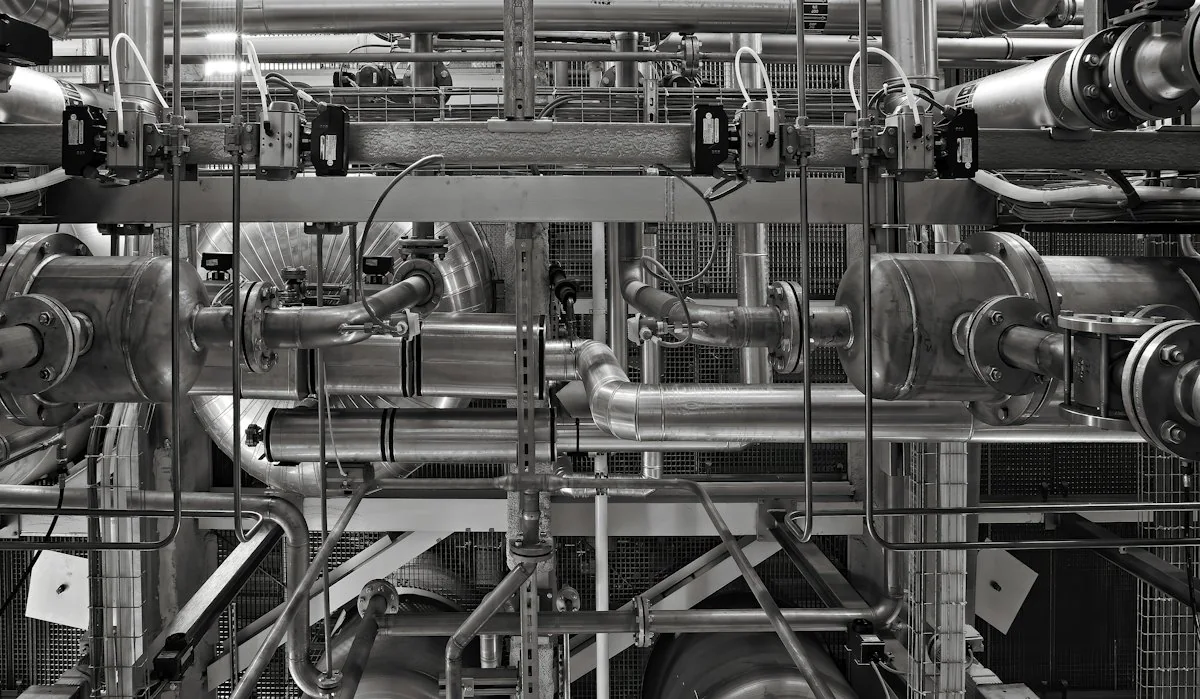
Temporary photo Preparation
Where some pipes exceed the confirmed limits, discuss cutting or pre-shredding as a separate step. Agree which equipment handles it and what size it delivers.
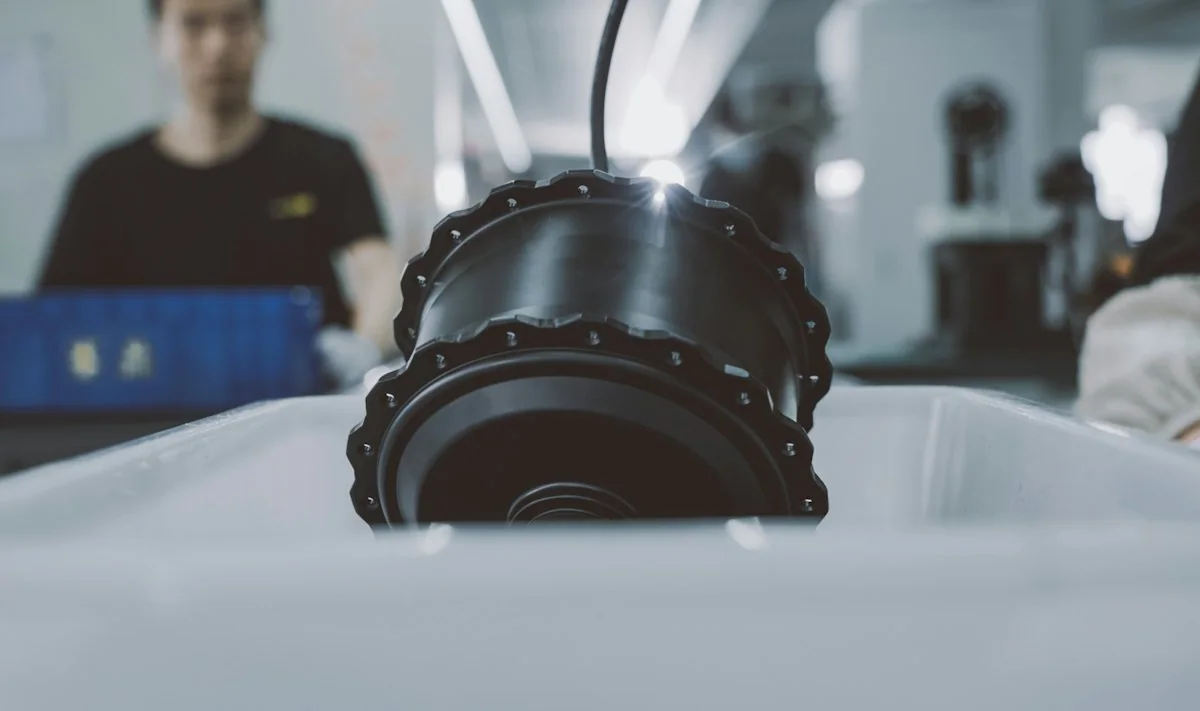
Temporary photo Discharge
Describe how crushed material should leave the machine, such as into bags, bins or a conveyor. Confirm the discharge connection as included or optional.
See the Feeding Assembly
Review photographs of the actual feeding and cutting assembly before confirming the proposed configuration.
A demonstration is useful only when its conditions are clear. Before relying on a video or photo, check the pipe material and size shown and how the machine was configured.
Match the Pipe Shown
Compare the pipe in the demonstration with your own material, diameter and wall thickness.
Note the Feeding Approach
See whether pipes were fed whole, cut or prepared, and how they were presented to the hopper.
Review the Output Sample
Look at the crushed material against the requirement of your next process.
Assembly Photos Instead
Where no relevant run exists, ask for real images of the feeding and cutting assembly instead.
Discuss My Configuration
Send a short video of your pipe stock and feeding area for a configuration review.
FAQ
Can long pipes be fed without cutting?
Confirm this against the actual pipe dimensions and model design. It is not a universal feature of pipe crushers.
Is pipe diameter enough to select the machine?
No. Include length, wall thickness, material and the intended feeding method.
Can the same machine process fittings or profiles?
Provide their material and dimensions for review. Suitability should be confirmed for each additional feed shape.
What should I send for a quotation?
Send pipe material, maximum diameter, length, wall thickness, hourly target and required output. Photos or a short feed video are helpful.
Can this be customized for my process?
Yes. Describe the configuration or specification you need, together with the material or machine reference. Feasible options, drawings where required, and the final supply scope are confirmed before production.
Find the Right Pipe Crusher
Send the pipe material, maximum diameter, wall thickness and length. Add the required output and hourly target so the feeding and equipment requirements can be reviewed.
Include the details you already know. You do not need every specification to start.
What to Include
Use the details you already know. A model number is not required to begin.
1. YOUR MATERIAL
Material name and condition; largest starting dimensions; a photograph when available.
Describe thickness, mixed shapes or other details that affect feeding.
2. YOUR OUTPUT
Required powder, smaller pieces or regrind; the next process; the output specification and its measurement basis when known.
State the desired hourly throughput as a target, not a confirmed machine result.
3. YOUR SITE
Country/region; known power supply; available floor space and height; existing equipment; relevant cooling or nitrogen arrangements.
4. YOUR CONFIGURATION
Standalone machine, replacement machine or connected line.
Describe requested changes to feeding, discharge, cooling, controls, layout or connections.
7. WHAT TO AGREE IN THE PROPOSAL
Selected equipment; standard items; options; items supplied by others; relevant test/acceptance basis; documents; support and delivery responsibilities.
Please do not send unnecessary personal documents, passwords or unrelated confidential files.