China Cryogenic Pulverizer Factory
Explore liquid-nitrogen grinding for materials that are difficult to grind at ambient conditions or sensitive to process heat. Discuss the powder target, cooling arrangement, nitrogen supply and collection requirements as one connected setup.
On This Page
Start With the Material
Describe the material and the difficulty you need to address during grinding. Include its current form, starting dimensions and any temperature-sensitive requirement so the need for a cryogenic route can be assessed.
Describe the grinding difficulty in your own terms, such as softening, elasticity, smearing or heat sensitivity. These traits are reasons to assess a cryogenic route, not proof that it is required or that it will meet your target.
- Material name, grade and current form
- Starting dimensions of the largest pieces
- What happens when it is ground at ambient conditions
- Any temperature limit and how it is defined
- Purity, odour or colour requirements for the powder
- Photos, samples or earlier trial records
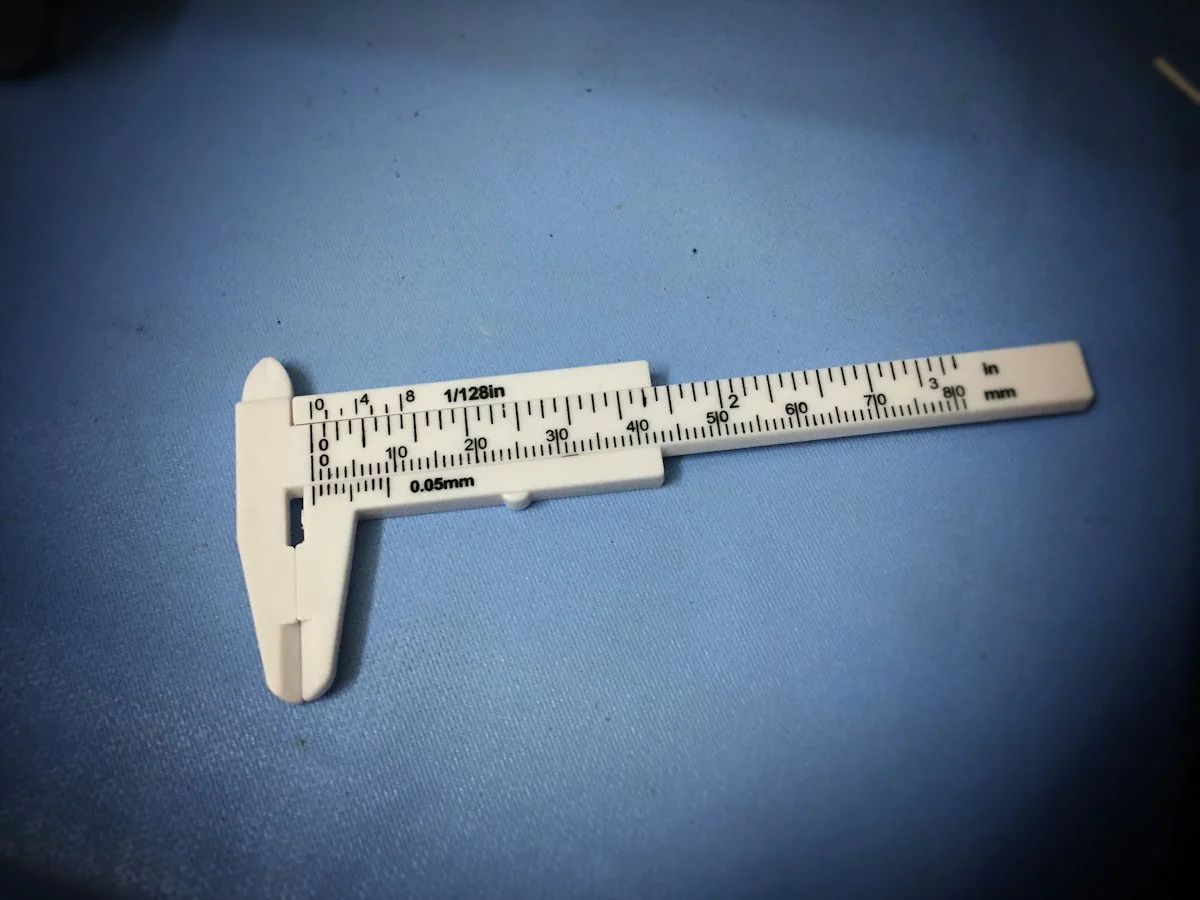
Mention any previous ambient or cooled grinding attempt, including what went wrong, so the review starts from real material behaviour.
Review the Grinding Route
The proposed arrangement may cool material before grinding, during grinding or at both stages. Confirm the actual configuration and the points at which temperature is controlled or measured.
Ask for a process sketch drawn for your project and marked as an illustration where needed. Do not read the boiling point of liquid nitrogen as the operating temperature of your material.
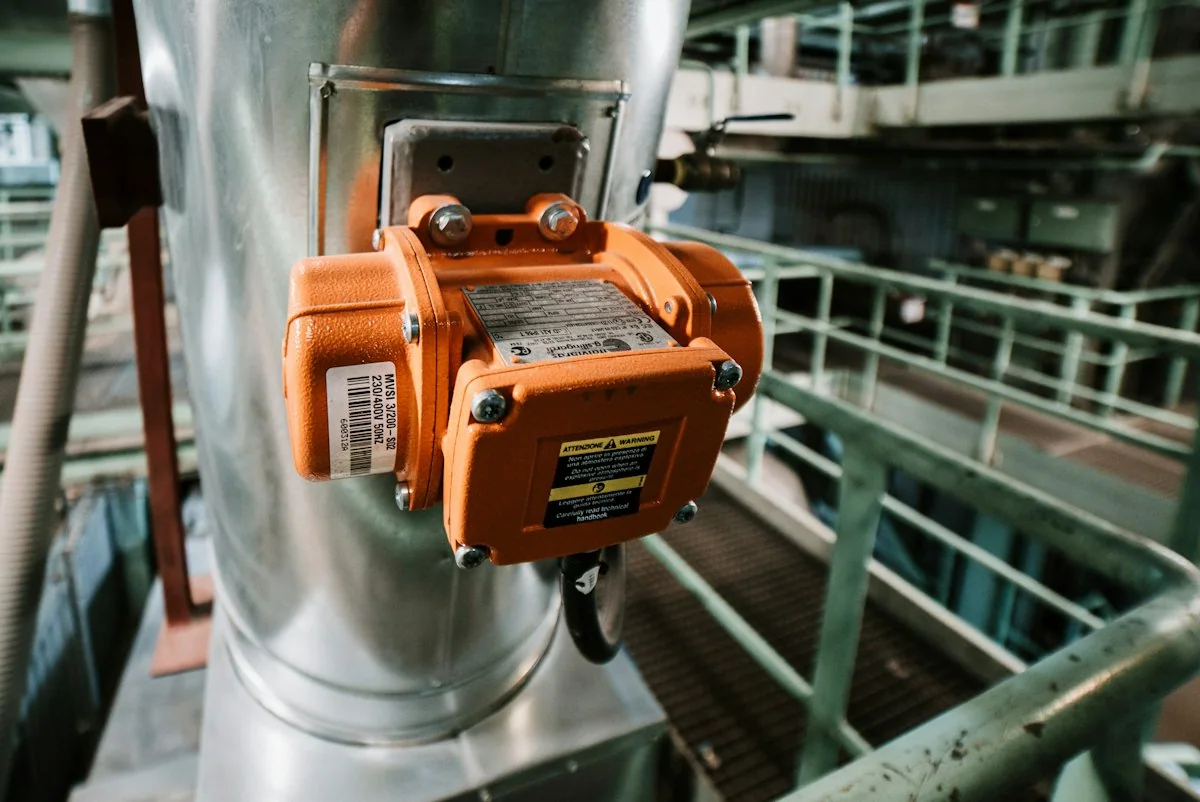
Temporary photo 01Feed Preparation
Confirm the feed size and condition the cooling stage can accept, and whether pre-sizing is needed upstream.
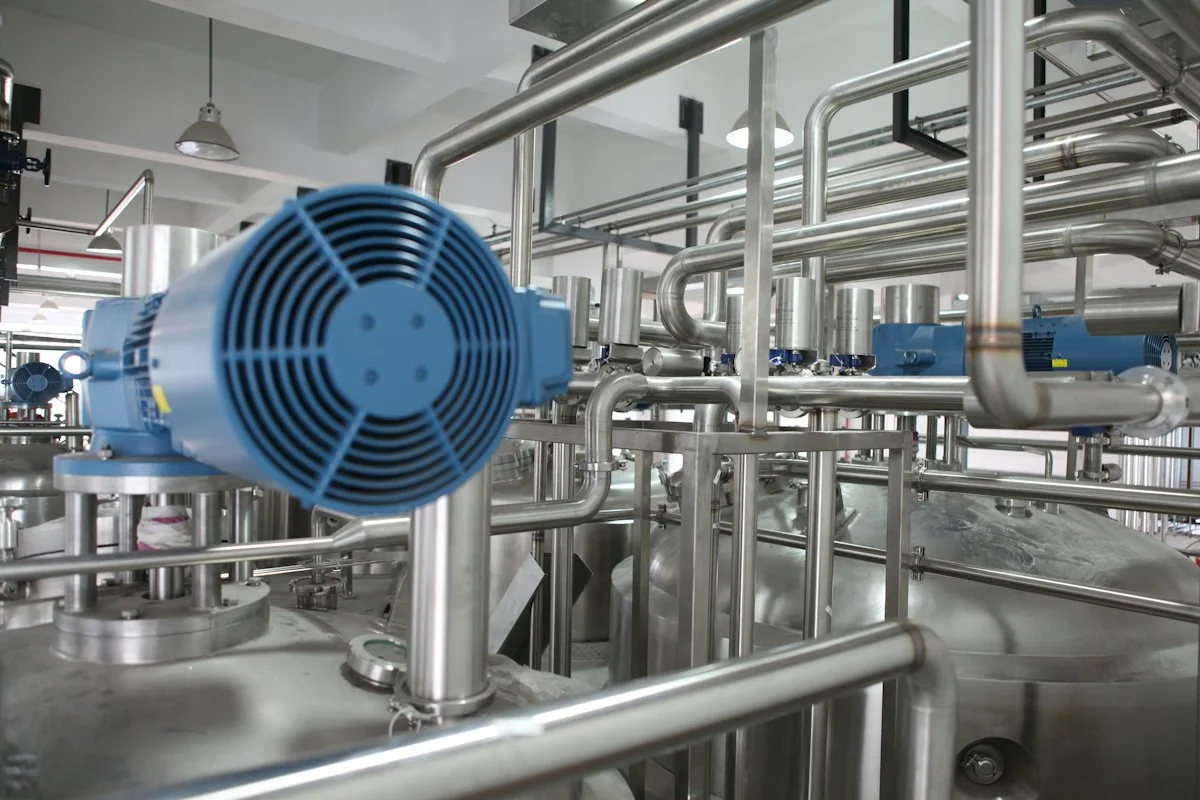
Temporary photo 02Confirmed Cooling Arrangement
Ask where the material is cooled, before or during grinding, and which temperature reading is used to control it.
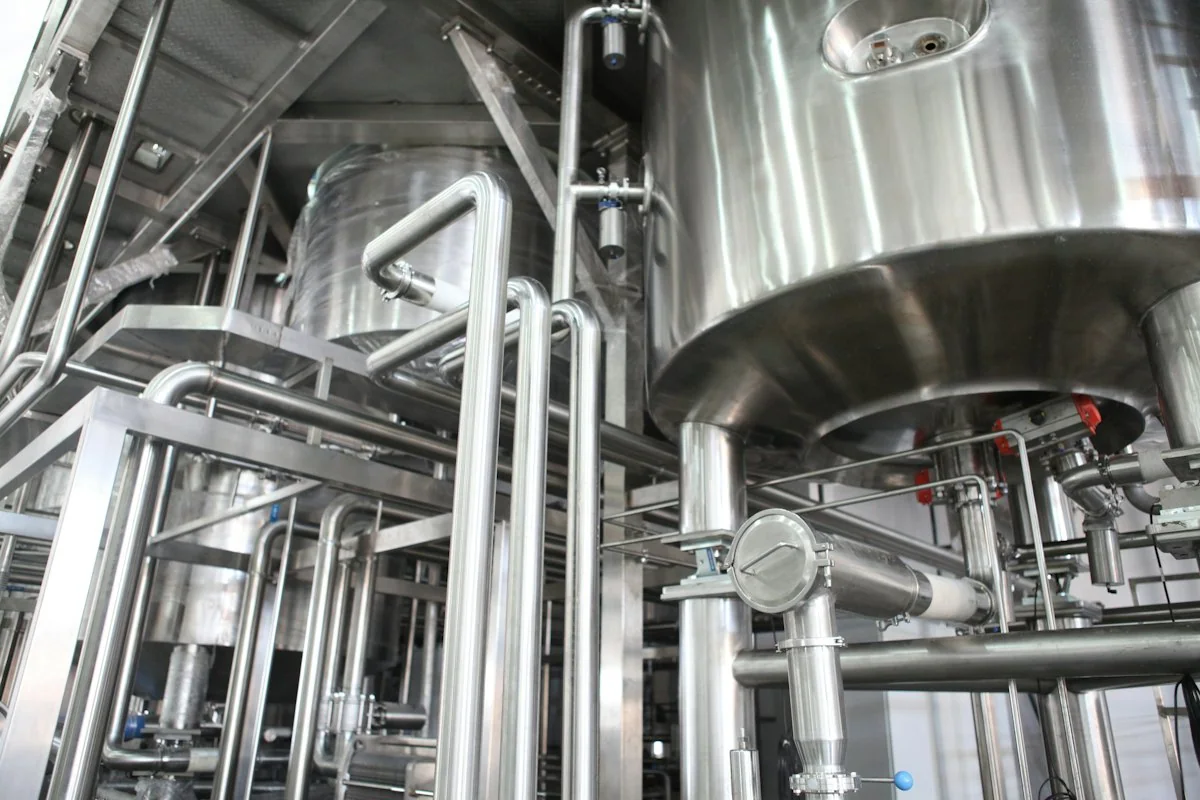
Temporary photo 03Grinding
Review the grinding chamber and tools used for cooled material, and how chamber temperature is monitored.
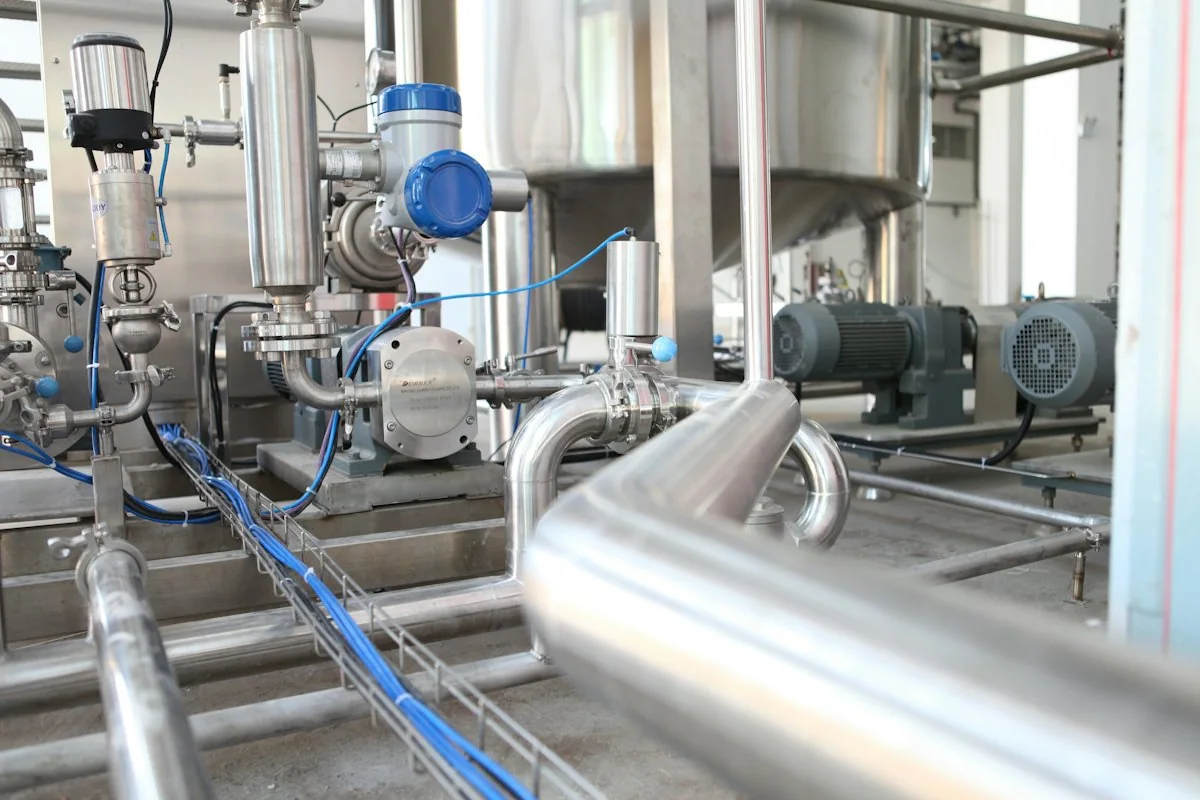
Temporary photo 04Collection
Check how powder is separated and collected, and how condensation or moisture pickup is handled after grinding.
- 01Feed Preparation
- 02Confirmed Cooling Arrangement
- 03Grinding
- 04Collection
Define the Test Result
Agree on the powder specification, sample condition and measurement method before interpreting a grinding result. Compare the result with the required output rather than the appearance of the powder alone.
Agree what counts as a successful trial before the sample is ground. Record the material tested, target particle size, any required proportion within range, where temperature was measured and, where relevant, how long the run lasted.
Prepare a Representative Sample
Send material in the same form and condition as your production feed, so the trial reflects real operation.
Read the Full Record
Check the report for method, sample condition and measurement point before relying on any figure.
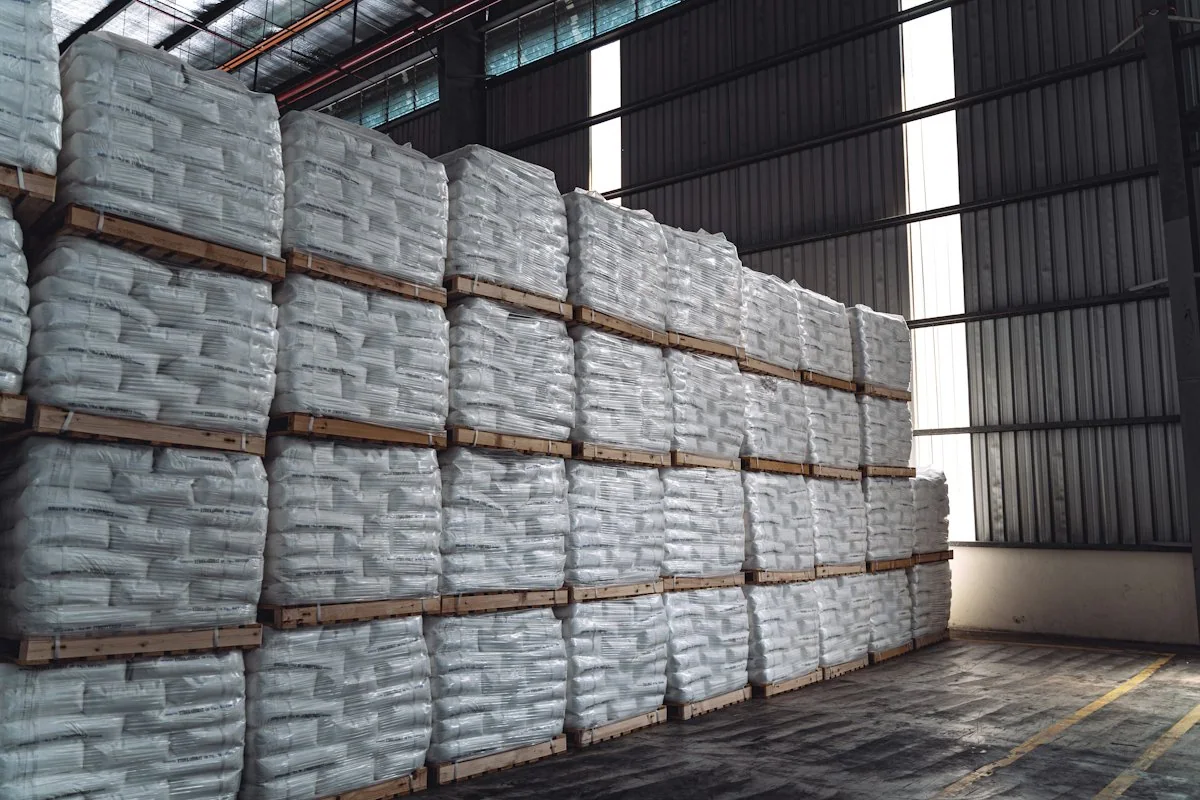
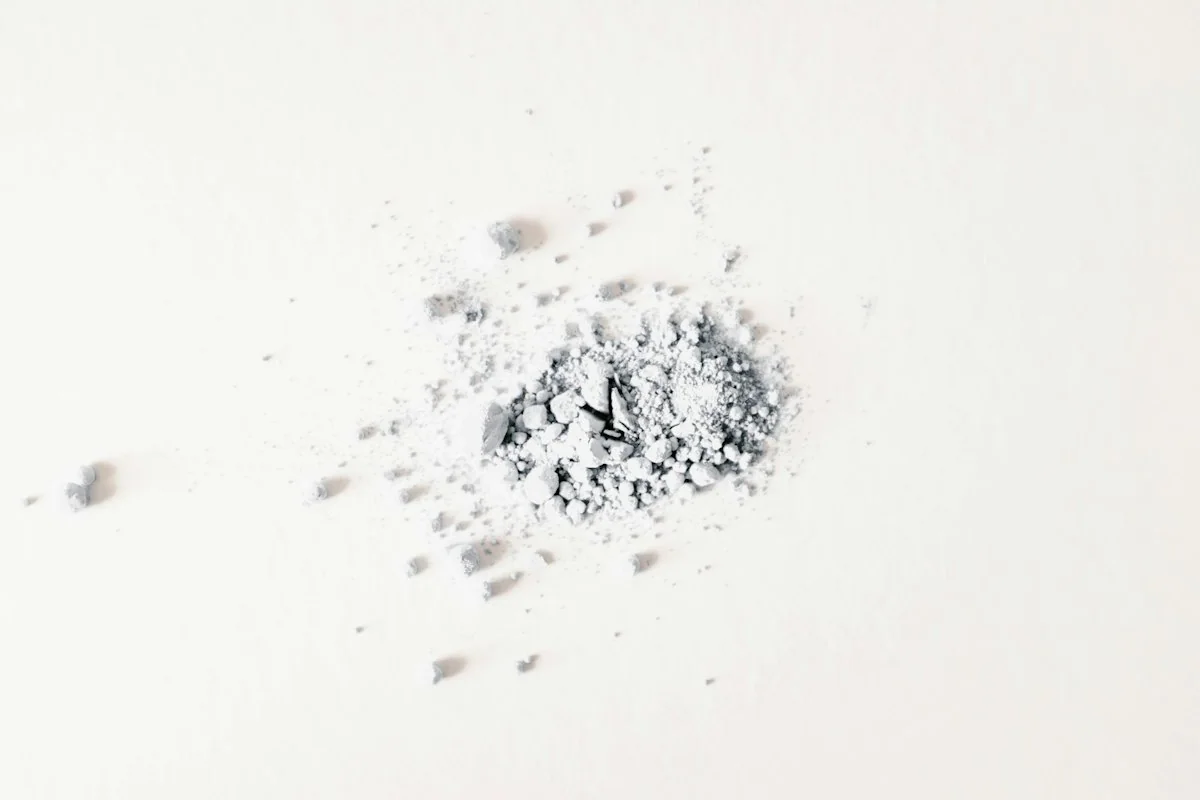
Compare Available Models
Compare the available models by feed requirements, grinding configuration, documented output and utility needs. Published performance information applies to its stated test conditions.
Where a field has no confirmed value, ask for the basis rather than estimating from another material.
Cooling Arrangement
Check at which stage each model applies cooling and where temperature is read. Compare models with a similar arrangement first.
Feed Requirement
Confirm the feed size and condition the model accepts. Oversize or damp feed may need preparation before it enters the cooling section.
Power
Review power for the mill and its auxiliaries, and assess nitrogen use as a separate running cost.
Nitrogen Supply
Check the supply interface each model expects and who provides storage. Any consumption value should come with its material and feed basis.
Discuss My Configuration
Share your material, powder target and nitrogen supply details to review a cryogenic configuration for your process.
Review Nitrogen Requirements
Include liquid-nitrogen supply in the project discussion from the start. Consumption, storage interface and supply arrangements need to be confirmed for the proposed process; they are not covered by the main motor rating.
Review running costs as separate elements rather than a single payback figure. Each element depends on your material, feed rate and operating pattern.
Temporary photo Electricity
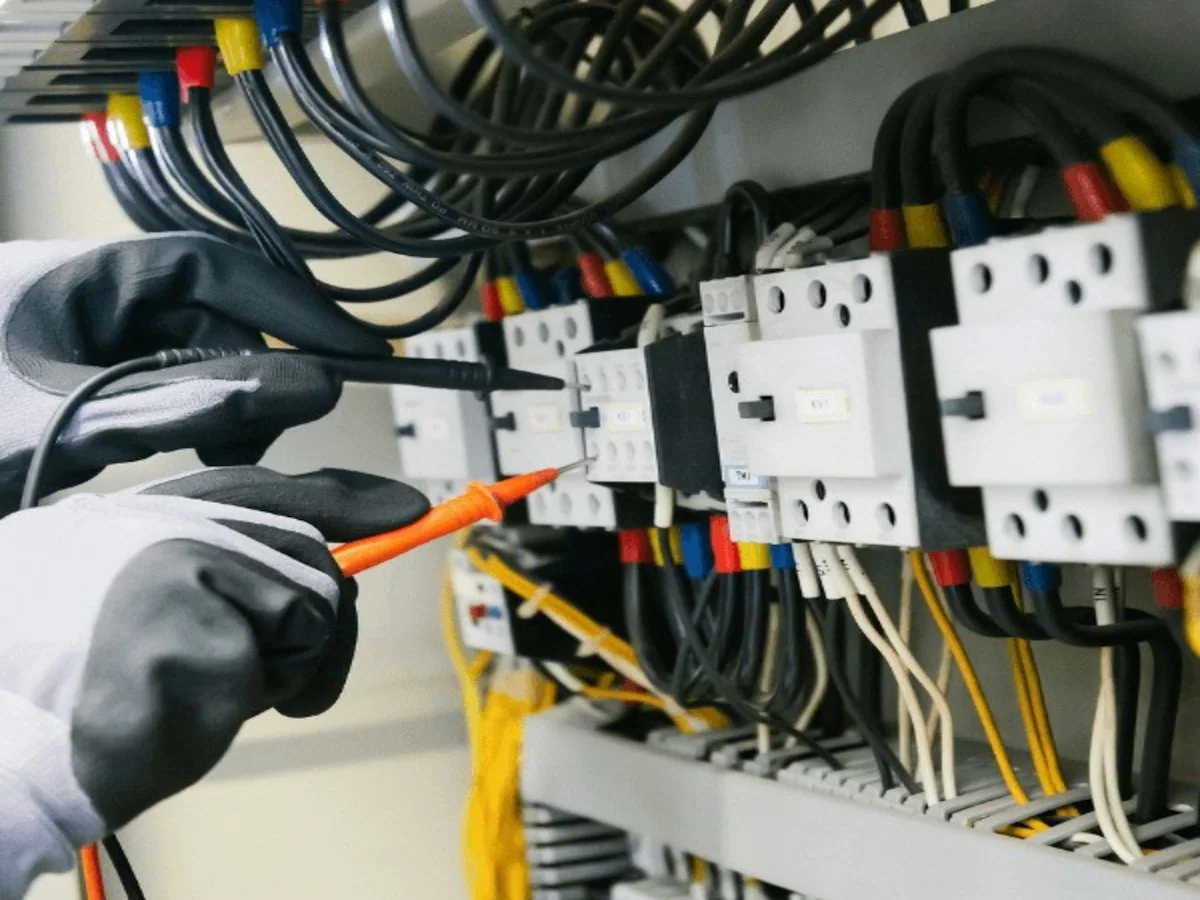
List the mill, feeder, cooling section and collection equipment that draw power, and check them against your site supply.

Temporary photo Nitrogen
Ask how nitrogen use was measured and for which material, then compare that basis with your own operating pattern.
Temporary photo Wear Parts
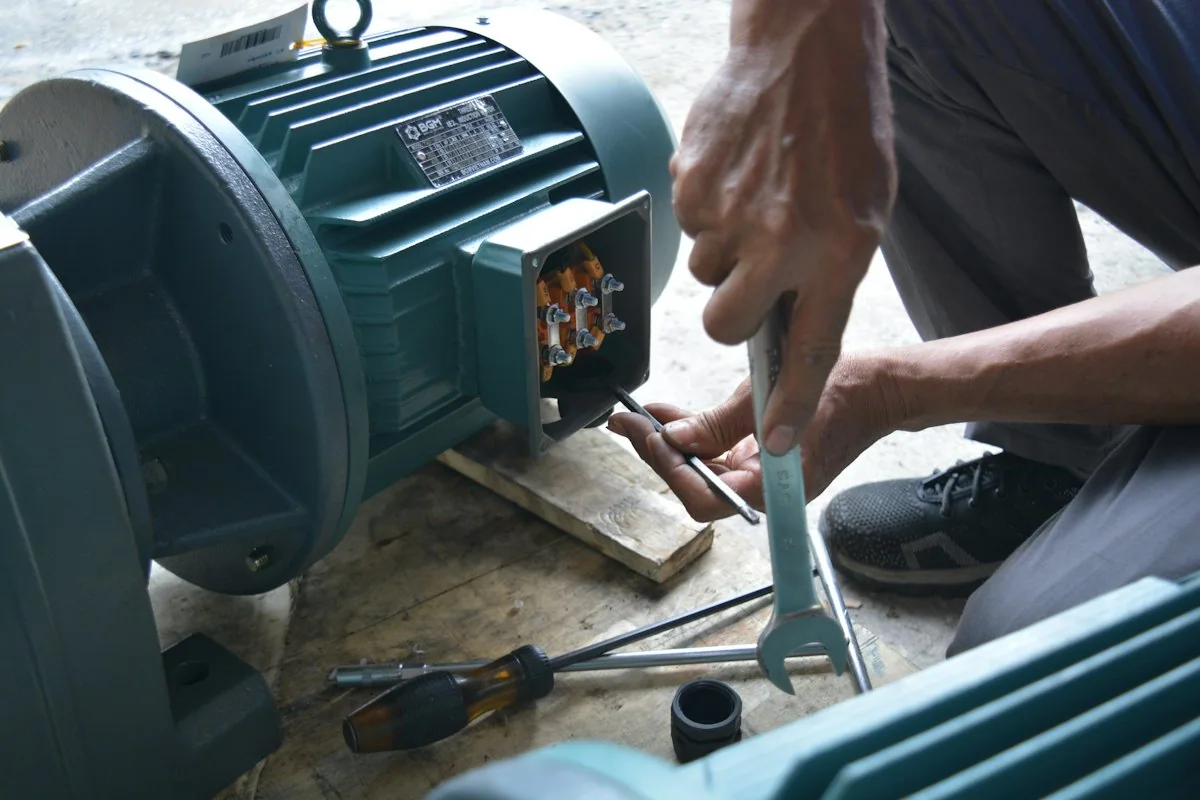
Ask which grinding parts wear in operation and how they are inspected, so replacement can be planned with running costs.
Consumption Basis
Review nitrogen use together with the material, feed condition, powder target and operating record. A single consumption figure is not a universal running-cost estimate.
Supply Responsibility
Identify who supplies storage, delivery connections and the equipment-side interface. A grinding machine quotation should not leave these responsibilities unclear.
Site Readiness
Include the gas supplier and qualified site personnel in reviewing nitrogen storage, ventilation and related safety requirements. Nitrogen cooling does not remove the need for a site assessment.
Check the Supply Scope
Confirm whether the quotation includes the feeder, cooling section, mill, collection equipment, controls and nitrogen connection items. State which storage or site systems will be supplied by others.
Ask for a numbered equipment list that matches the layout drawing, so each item can be traced from quotation to delivery.
Mark Each Item's Status
Ask for every item to be labelled Standard, Optional or By Others, including controls and connection parts.
Clarify Storage and Tanks
Do not assume a nitrogen tank, site modification or every safety device is included. Confirm each in writing.
Define the Interface Point
Agree where the equipment supply ends and your site's nitrogen, power and ventilation systems begin.
Configure Your Cryogenic Setup
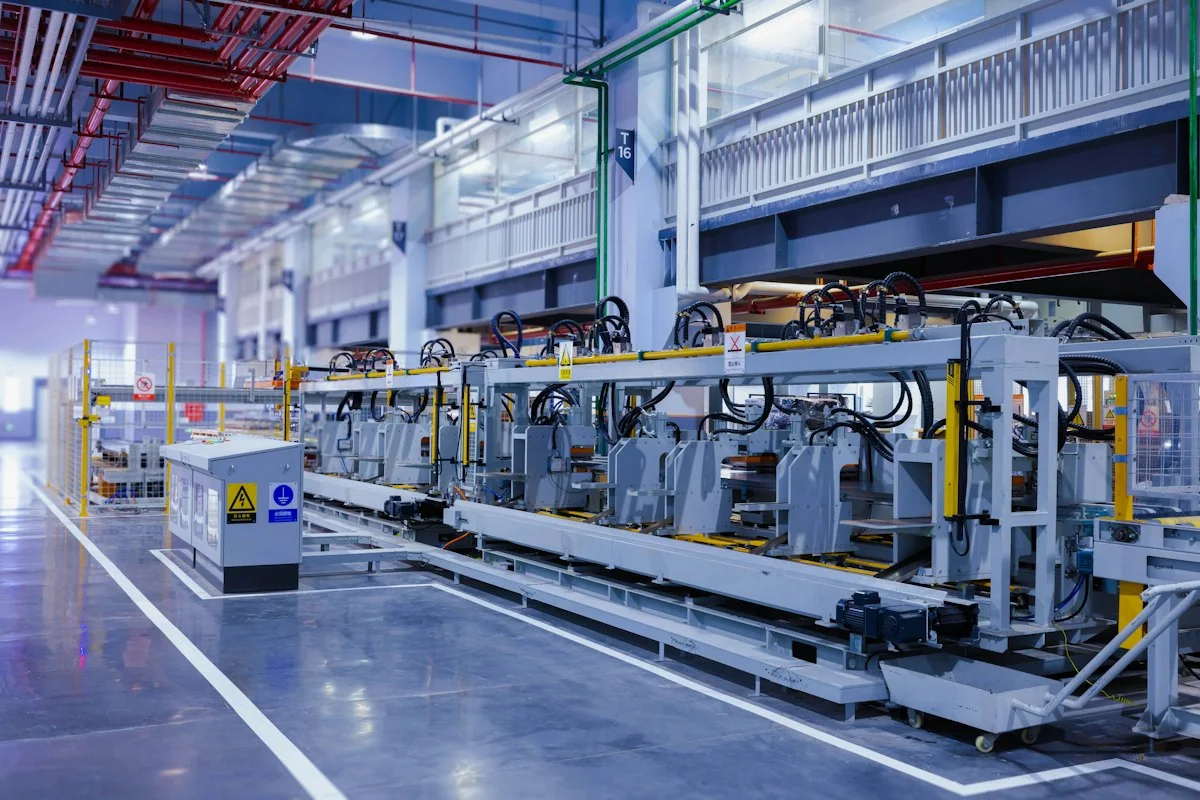
Discuss the feed preparation, cooling section, nitrogen interface and powder collection as one system. Separate equipment-side customization from site storage and gas-supply work, so each responsibility is clear.
Temporary photo Feed Cooling
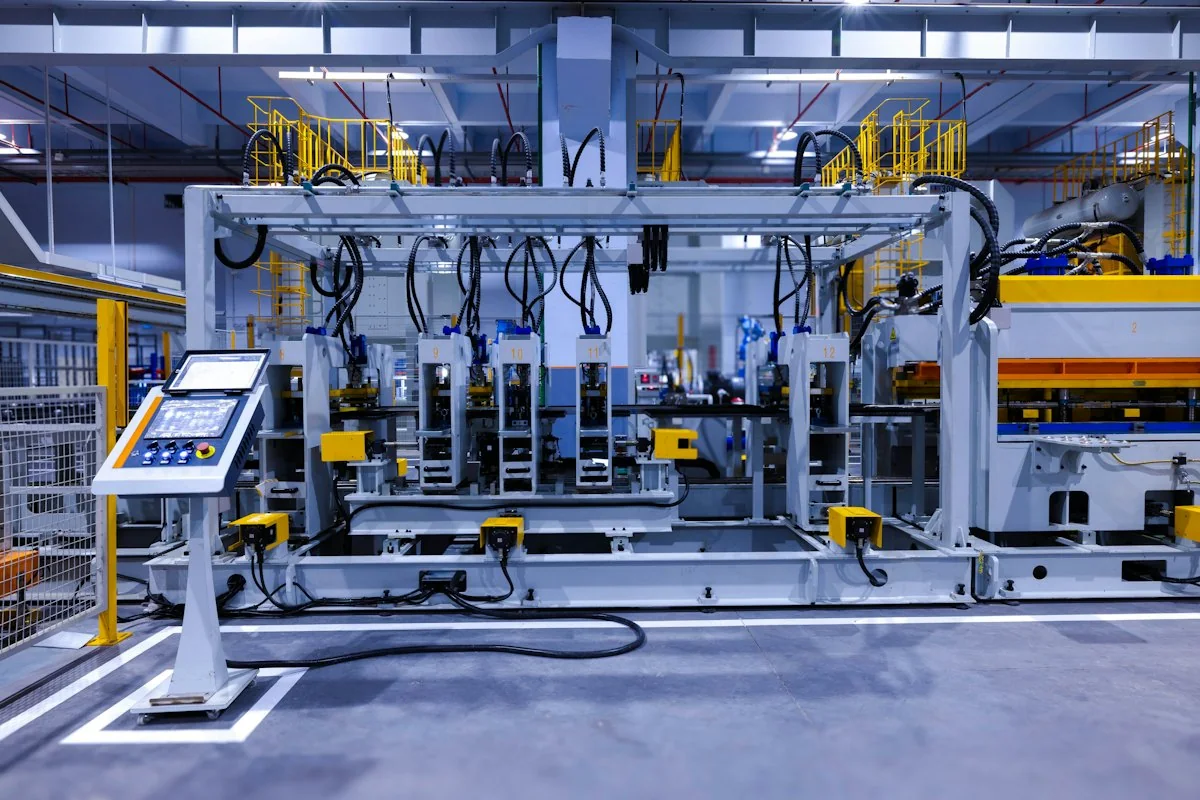
Discuss how incoming material is cooled ahead of grinding and how the feed rate is matched to your powder target.
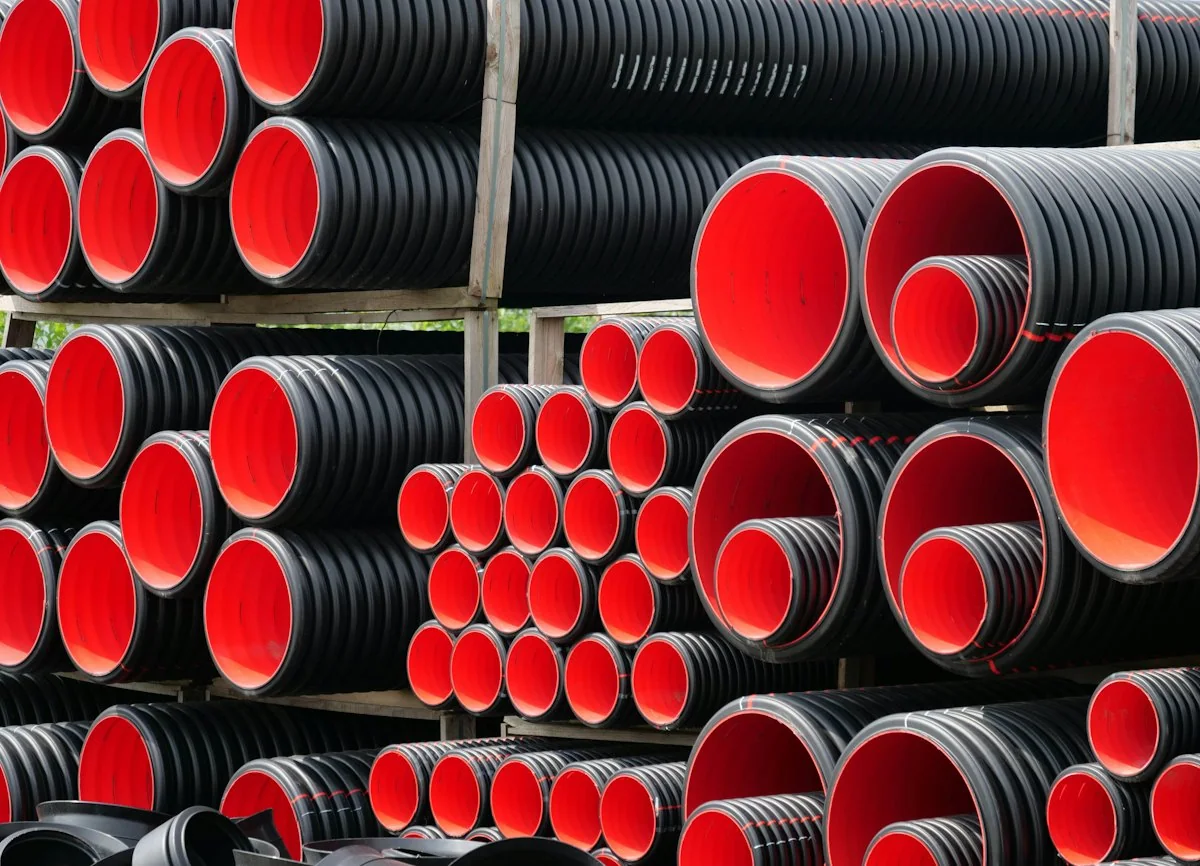
Temporary photo Nitrogen Interface
Agree the equipment-side connection and monitoring, and which items your gas supplier provides.
Temporary photo Powder Collection
Discuss how cold powder is collected, handled and packed, and whether moisture pickup needs attention.
See Evidence and Alternatives
Review the actual equipment and any approved material-test records. Compare ambient-temperature or other documented cooling arrangements when they may meet your target without the same site requirements.
Use the photos and records to check that the proposed equipment matches your project. If an alternative route may reach your target with simpler site needs, compare it on the same material and powder basis.
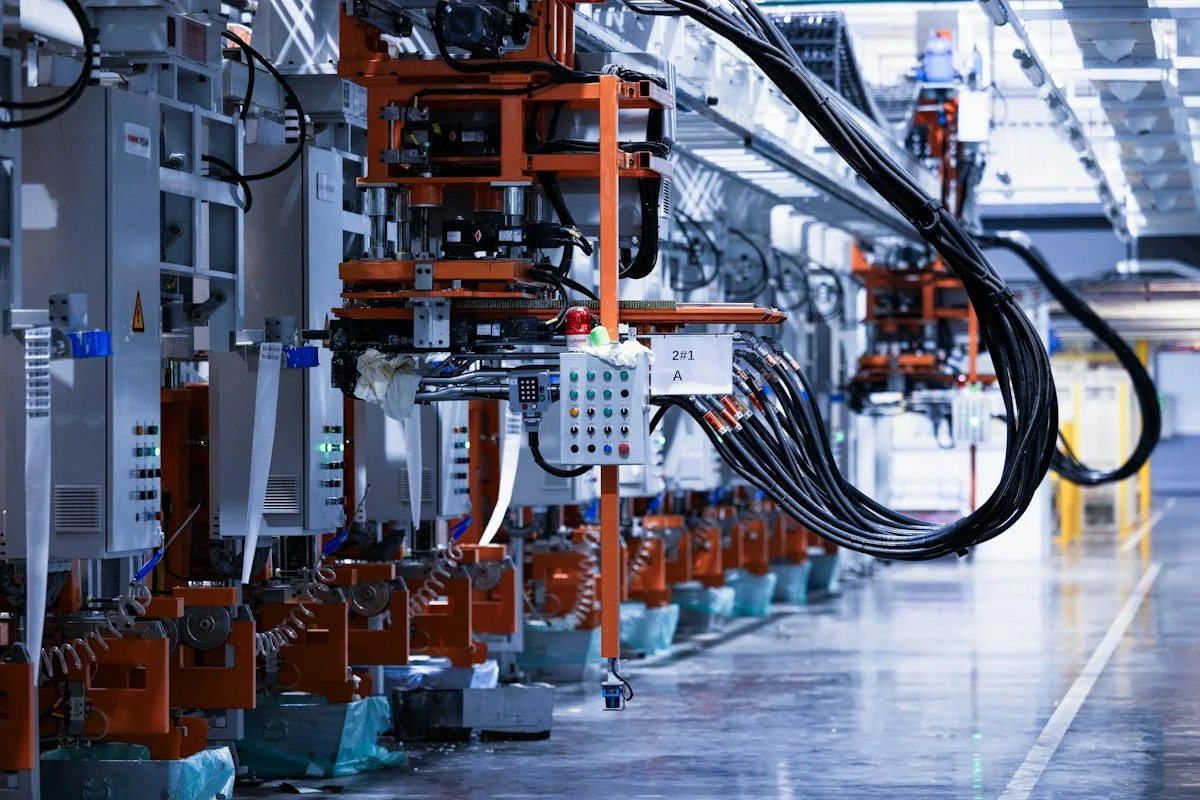
Review Real Equipment Photos
Ask which images show the proposed machine, its cooling connections and assembly, and which show related builds.
Ask for Approved Records
Rely only on test records that state the material, method and conditions, and that are approved for sharing.
Compare Other Routes
Review ambient-temperature and low-temperature options when nitrogen supply or site requirements are a concern.
Discuss My Configuration
Unsure whether liquid nitrogen is needed? Share your material and powder target to compare grinding routes.
FAQ
Does the machine always operate at the boiling point of liquid nitrogen?
No such operating claim should be assumed. The relevant temperature depends on the actual process, control point and measurement conditions.
How much liquid nitrogen will my project use?
Consumption needs to be established for the material, feed rate and required cooling arrangement. Ask for the basis behind any estimate or test figure.
Can I buy only the main machine?
Define the standalone scope and the systems already available at your site. The required interfaces and excluded items must be confirmed before supply.
Is a sample test automatically included?
Test availability, sample requirements, cost and timing need to be confirmed for the project. This page does not promise a free test or a guaranteed result.
Can this be customized for my process?
Yes. Describe the configuration or specification you need, together with the material or machine reference. Feasible options, drawings where required, and the final supply scope are confirmed before production.
Discuss Your Cryogenic Project
Share the material, starting dimensions and powder target. Add your expected operating pattern and the nitrogen-supply information available at your site.
Include the details you already know. You do not need every specification to start.
What to Include
Use the details you already know. A model number is not required to begin.
1. YOUR MATERIAL
Material name and condition; largest starting dimensions; a photograph when available.
Describe thickness, mixed shapes or other details that affect feeding.
2. YOUR OUTPUT
Required powder, smaller pieces or regrind; the next process; the output specification and its measurement basis when known.
State the desired hourly throughput as a target, not a confirmed machine result.
3. YOUR SITE
Country/region; known power supply; available floor space and height; existing equipment; relevant cooling or nitrogen arrangements.
4. YOUR CONFIGURATION
Standalone machine, replacement machine or connected line.
Describe requested changes to feeding, discharge, cooling, controls, layout or connections.
7. WHAT TO AGREE IN THE PROPOSAL
Selected equipment; standard items; options; items supplied by others; relevant test/acceptance basis; documents; support and delivery responsibilities.
Please do not send unnecessary personal documents, passwords or unrelated confidential files.