China Low Temperature Pulverizer Factory
Discuss a grinding setup for materials that need closer temperature control during powder preparation. Match the cooling method, temperature measurement point and powder target to your process, with options reviewed for the selected machine.
On This Page
Explain the Temperature Limit
Tell us what temperature-related issue you need to address, such as a documented processing limit or a change observed in your current material. Include how and where temperature is measured.
You do not need to specify a cooling system. Describe what you observe, such as softening, odour, colour change or clumping, and send photos of the material before and after your current process.
- Material name, grade and current form
- The issue you observe and when it appears
- Any documented temperature limit for the material
- Where and how temperature is currently measured
- Photos of the material before and after processing
- Previous test or processing records, if available
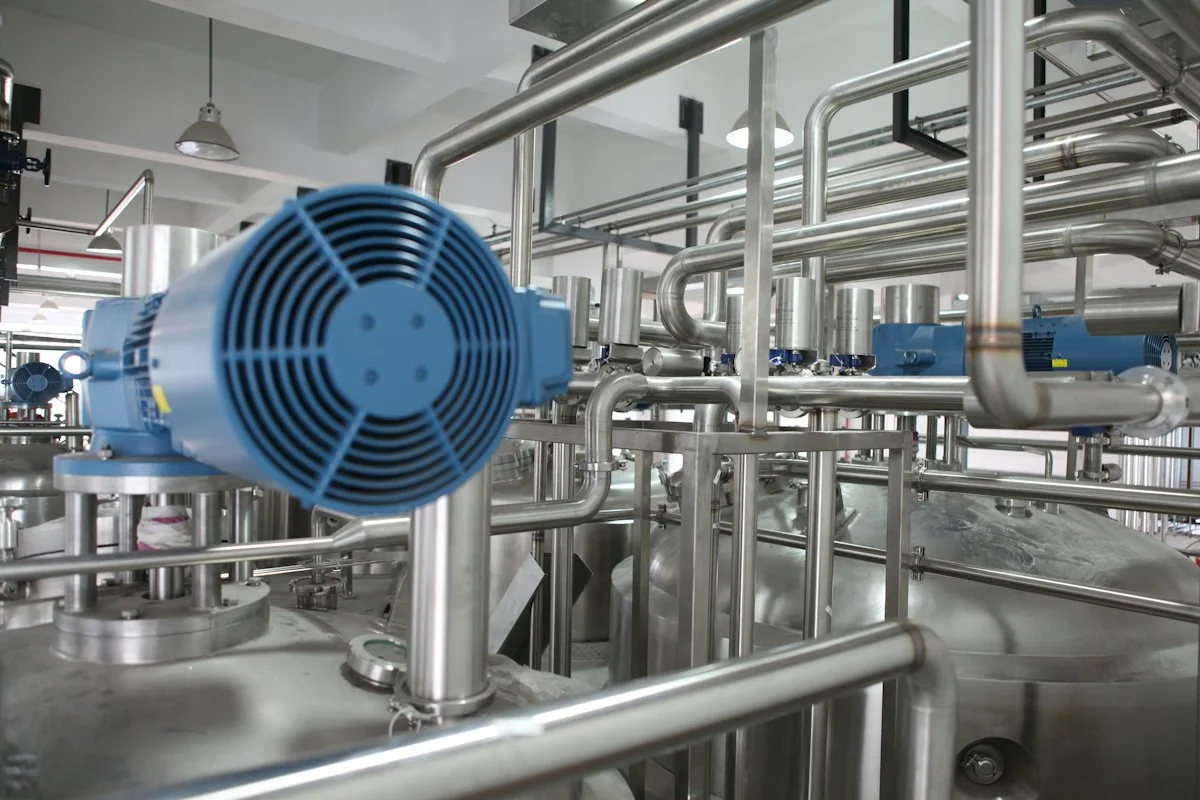
A limit is easier to review when it names the measurement point, such as the material itself, the chamber or the discharge.
- Material
- Observed Issue
- Limit
- Measurement Point
Confirm the Cooling Method
Compare cooling routes by the part of the process they control. Discuss whether cooling is needed before grinding, around the grinding zone or at another stage, and identify the measurement point used to assess the result.
Ask for the cooling arrangement to be shown on a simple diagram marked as an illustration, with the cooling location and each measurement point labelled. This keeps the discussion on your process rather than on a general route name.
Compare Like With Like
When comparing proposals, check that each temperature value refers to the same measurement point and operating condition.
Ask How Control Works
Confirm how cooling is adjusted during operation and which reading the control panel displays.
Separate Task From Series
A low-temperature requirement describes your task, not a fixed machine type. The confirmed cooling method decides which equipment fits.
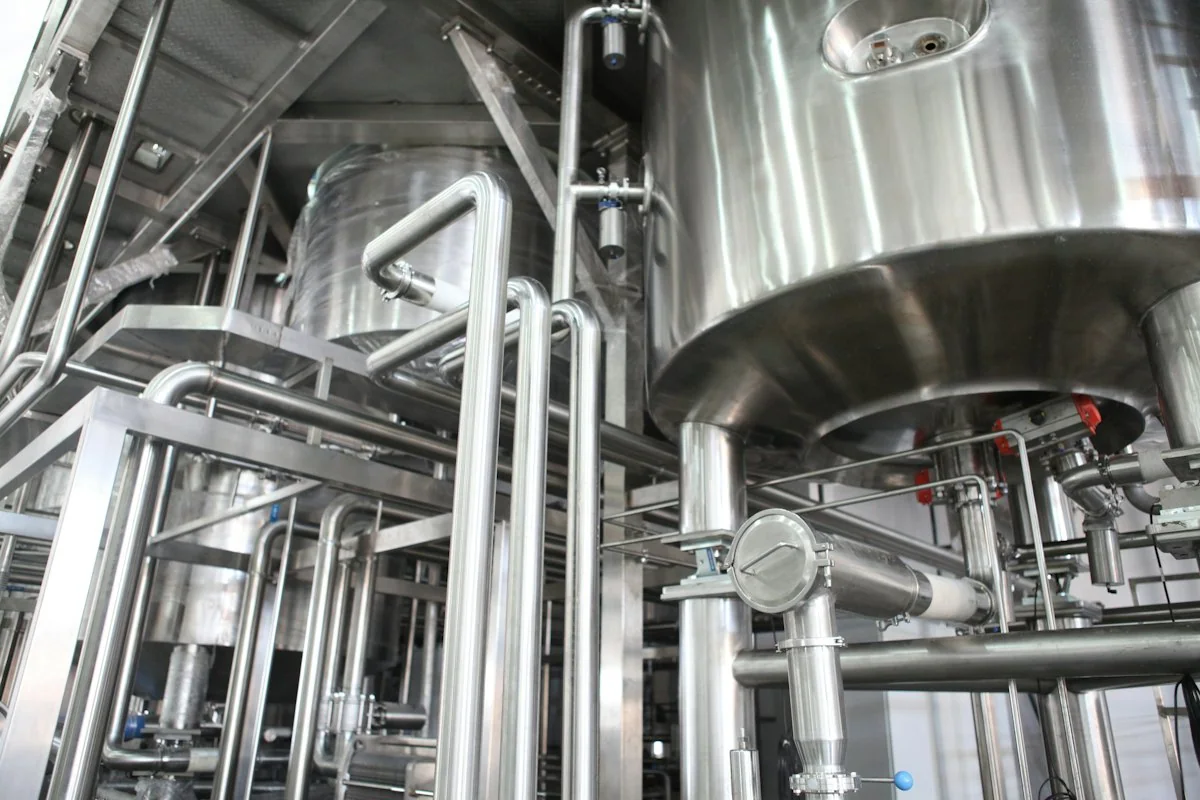
Cooling Location
Cooling the incoming material and controlling heat around the grinding zone are different design questions. Identify where cooling is applied in the proposed setup.
Measured Temperature
A coolant temperature, chamber reading and material temperature describe different conditions. Use an agreed measurement point when discussing a limit.
Site Supply
The cooling arrangement determines which services must be available at your site. Discuss those services alongside the machine rather than after delivery.
Match Powder and Throughput
Review the powder specification and throughput together with the temperature requirement. A finer target or a different feed condition must not be assumed to give the same result as a previous test.
Keep any test record and your requirement side by side. Note the material, feed size, output specification, measured temperature with its measurement point, throughput and test conditions, and treat any gap as a question to raise.
Review Each Change
If the powder target, feed size or hourly rate differs from a previous test, ask how that change affects temperature.
Check Run Duration
Ask how long a recorded run lasted, since a short trial and continuous production can behave differently.

Compare Available Models
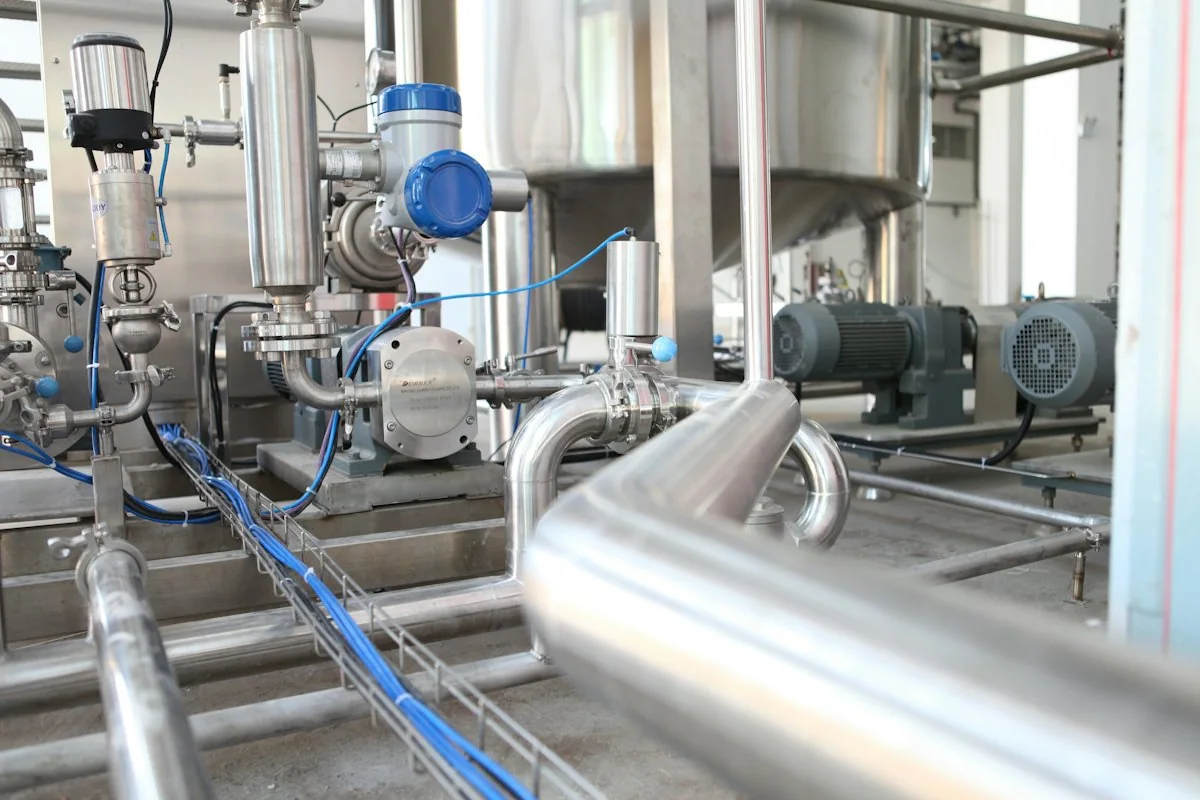
Compare the available models using their cooling arrangement, confirmed temperature information, power requirements and feed limits. Keep the measurement basis visible beside any temperature claim.
Where a temperature value has no stated measurement basis, ask for it before relying on the figure.
Cooling Method
Check how each model applies cooling and which medium it uses. Compare models with the same method before comparing other figures.
Measurement Point
Confirm where any listed temperature is read, such as coolant, chamber or material. Values taken at different points cannot be compared directly.
Feed Requirement
Check the accepted feed size and condition against your material as delivered. Any pre-sizing or pre-cooling need may follow from this check.
Power
Review power for the mill and for any cooling equipment separately. Your site supply needs to cover both.
Discuss My Configuration
Share your temperature concern and powder target to review which cooling arrangement and model fit your material.
Review Site Requirements
Confirm the utilities and support equipment needed by the proposed cooling arrangement. The quotation should identify the main mill, cooling equipment and any items to be provided at your site.
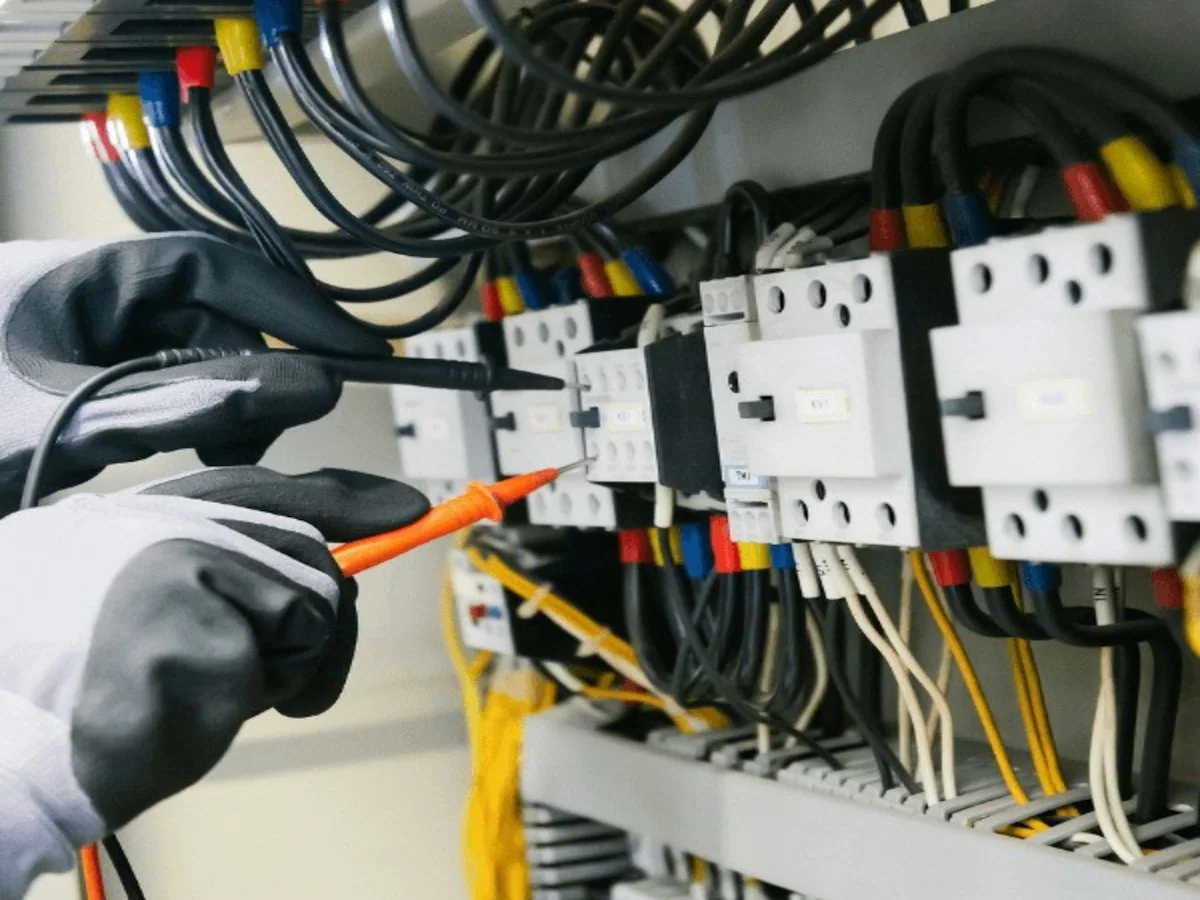
Temporary photo 01List Your Site Utilities
Note the power supply, cooling water or other cooling resources, and the space available near the mill.

Temporary photo 02Mark Supply Responsibility
Ask for each item to be labelled Standard, Optional or By Others in the quotation.
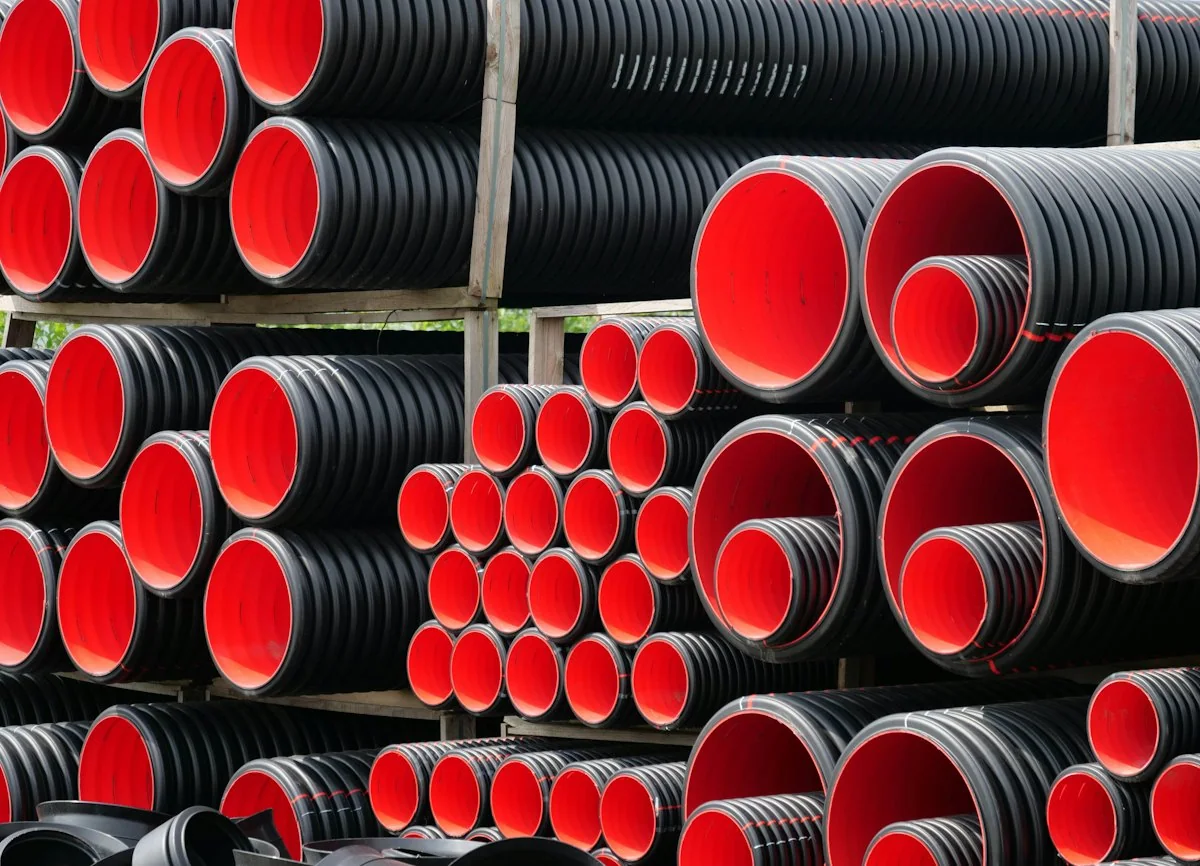
Temporary photo 03Check Connection Points
Confirm where cooling, power and control connections meet your site systems, and who completes each one.
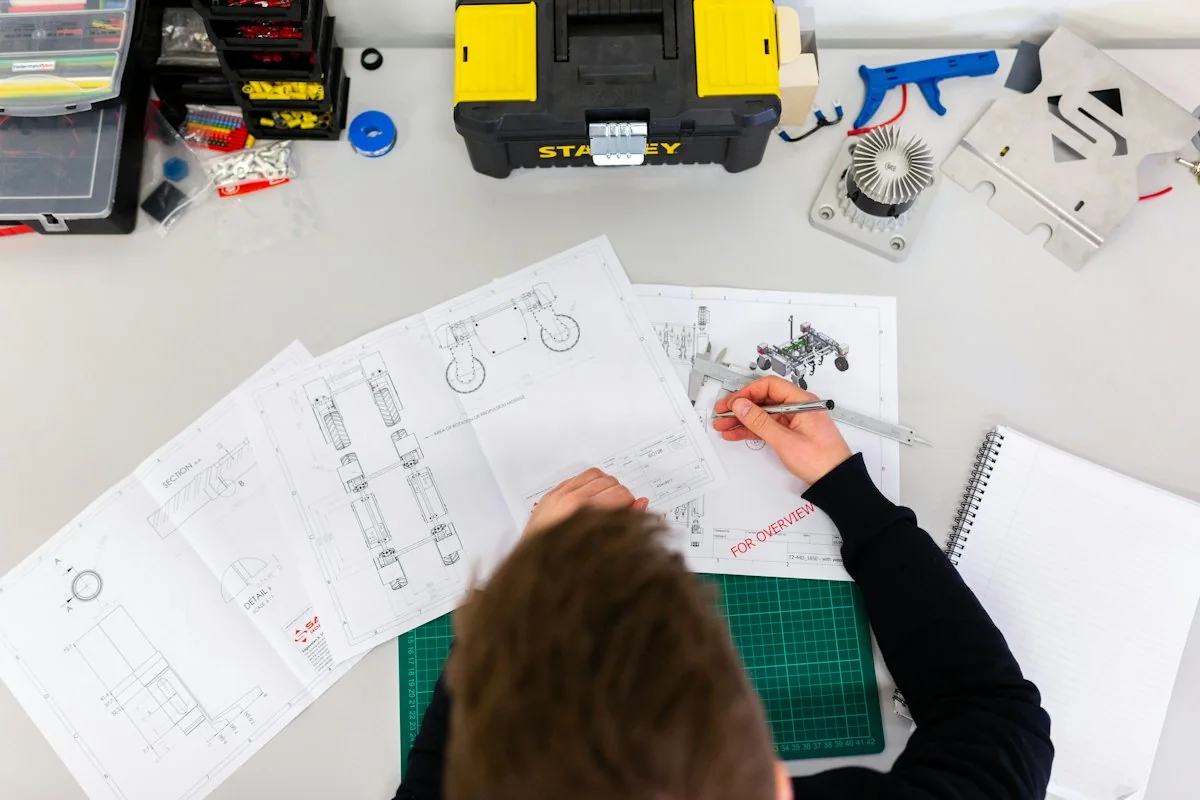
Temporary photo 04Review the Layout
Ask for a layout showing the mill, cooling equipment and access space within your workshop.
See the Configuration
See the mill, its cooling connections and the arrangement proposed for the process. For a material-test record, compare the stated material and measurement conditions alongside the recorded result.
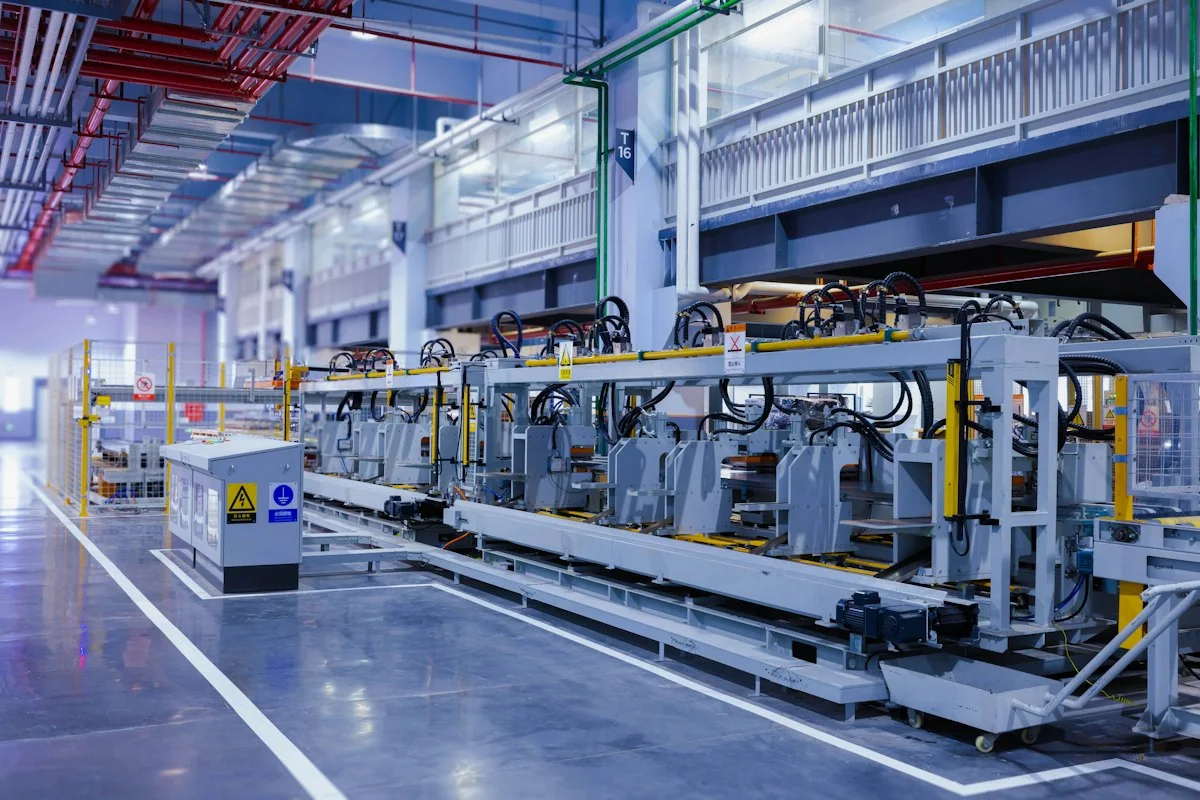
Temporary photo Mill and Frame
Check the overall machine, its feeding height and access space against your workshop layout.
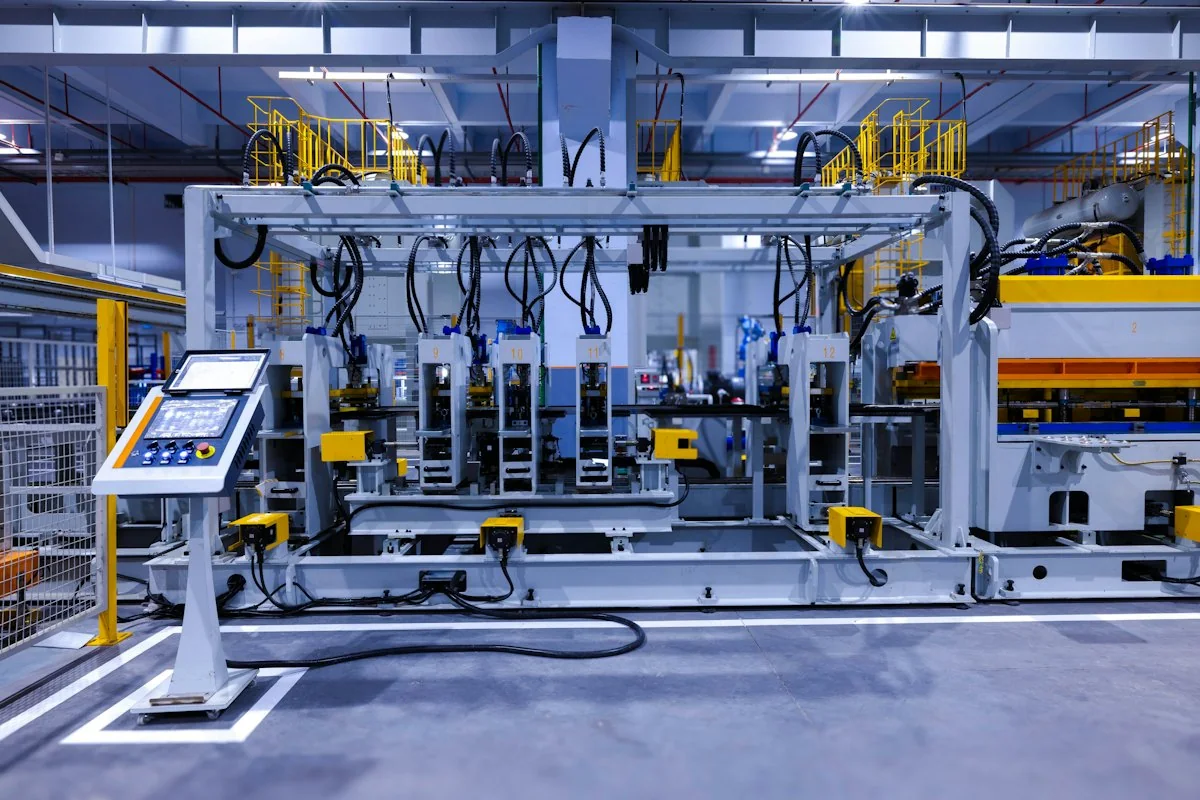
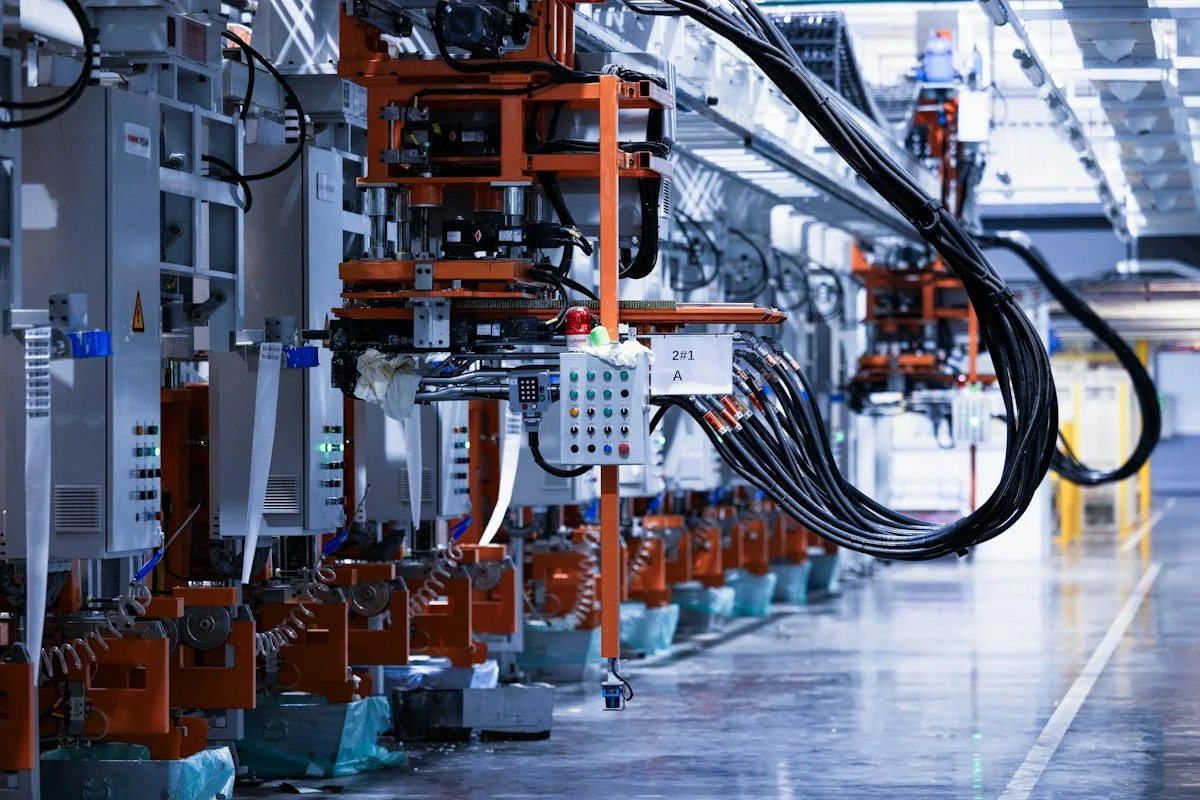
Temporary photo Cooling Connections
Look at where cooling lines join the mill, and ask which connections are part of the supply.
Temporary photo Process Arrangement
Review how feeding, cooling, grinding and collection connect. Any diagram should be clearly marked as an illustration.
Temporary photo Assembly Details
Assembly photos show internal cooling and grinding parts that are hidden once the machine is closed.
Configure the Cooling Route
Bring your temperature limit, preferred cooling resources and available space into the configuration discussion. The proposal should identify the cooling method, monitoring point and any services required at your site.
Temporary photo Cooling Method
Discuss which cooling methods suit your temperature concern and the resources you already have, without assuming a single type is required.
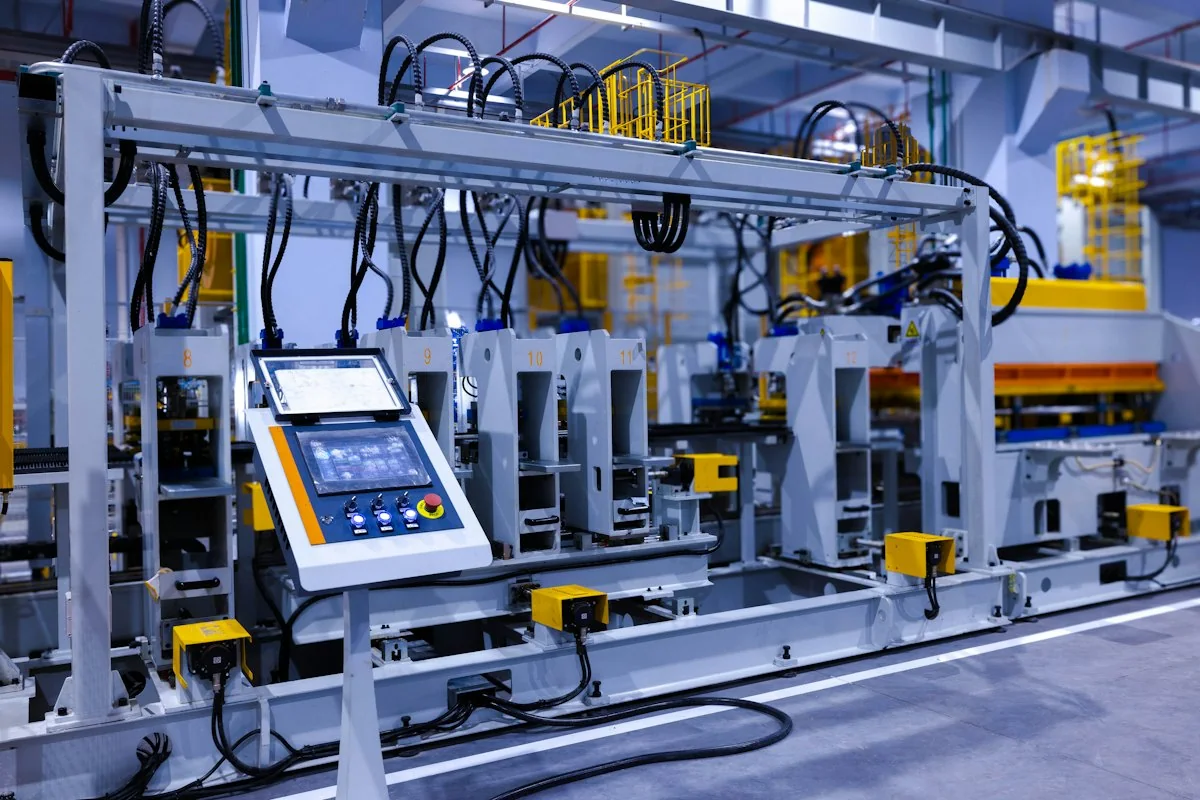
Temporary photo Monitoring Point
Agree where temperature will be read and displayed, so the result can be checked during operation.
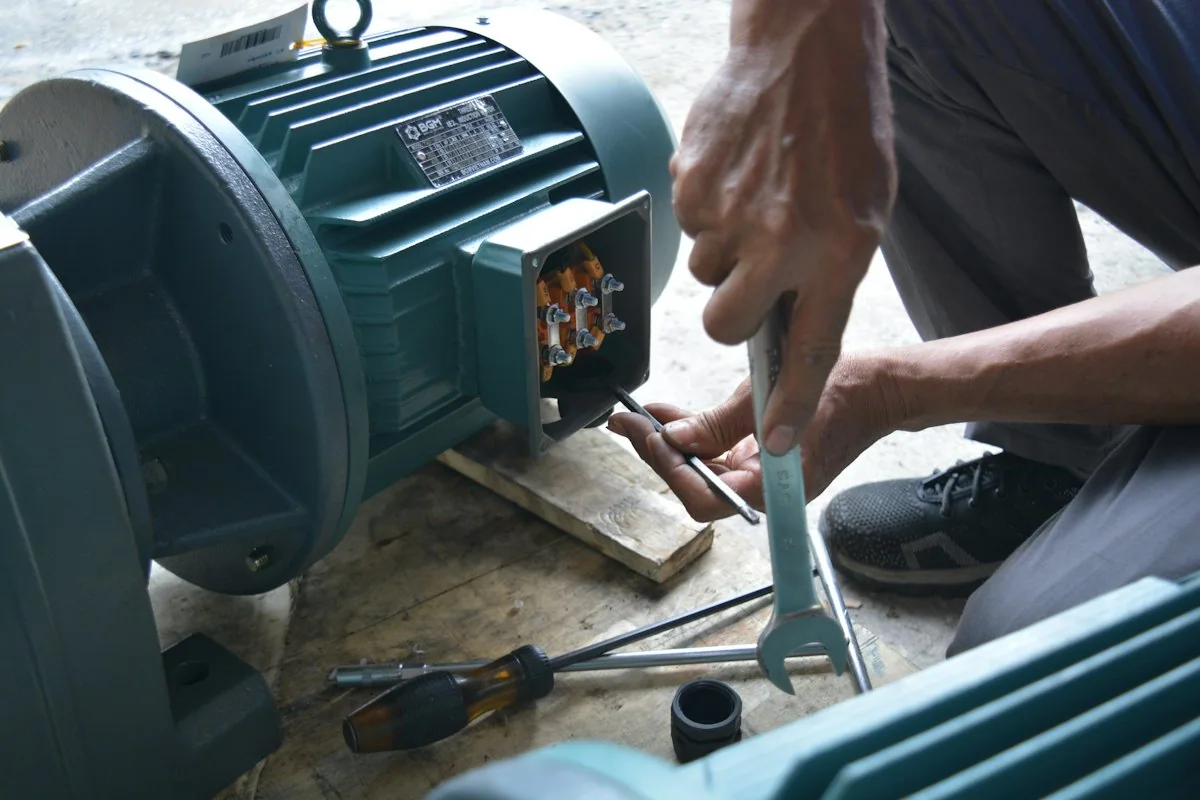
Temporary photo Site Services
Confirm the power, water or other services the chosen cooling method needs, and who provides each connection.
Compare Related Routes
Compare this series with ambient-temperature grinding and liquid-nitrogen grinding using the actual process differences. Choose a route around the required material result and the resources available at your site.
Where proposals for different routes use similar equipment, compare the confirmed configuration rather than the route name.
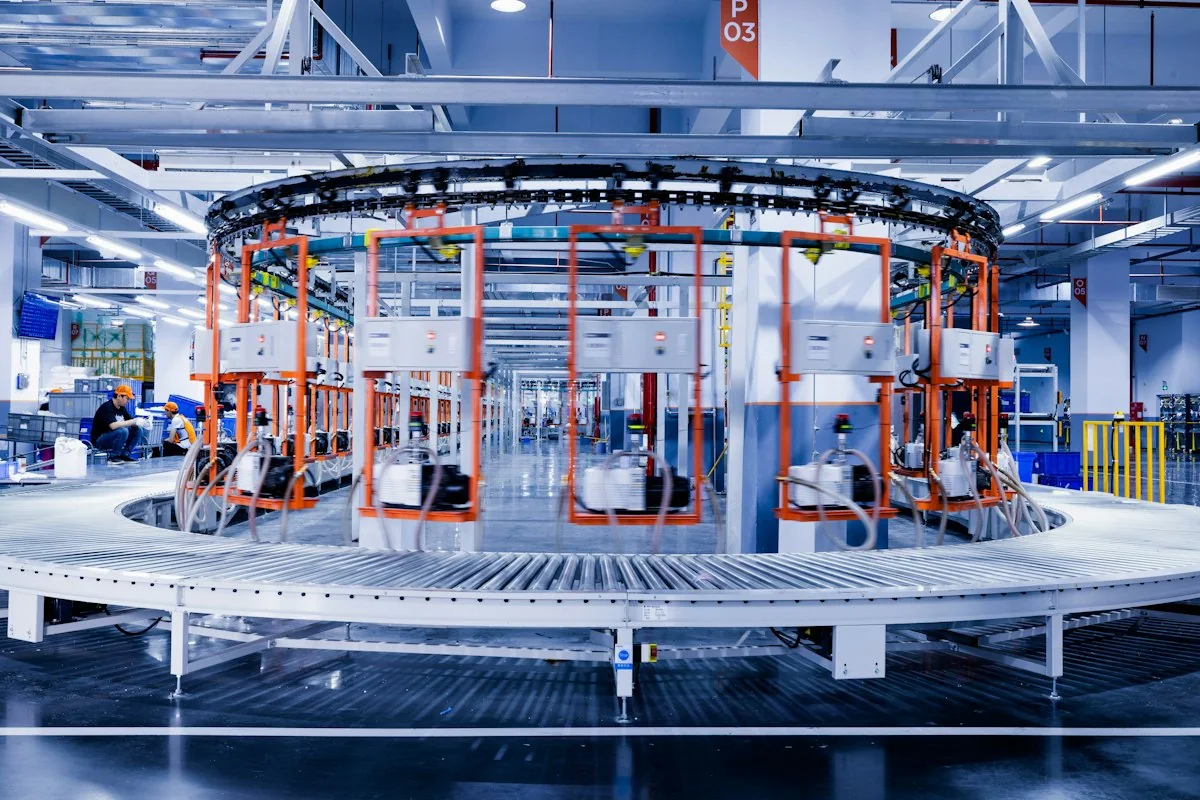
Ambient Temperature Pulverizers
Consider this route when your material keeps its condition during grinding with the model's own heat arrangement. Confirm that arrangement in the specification.
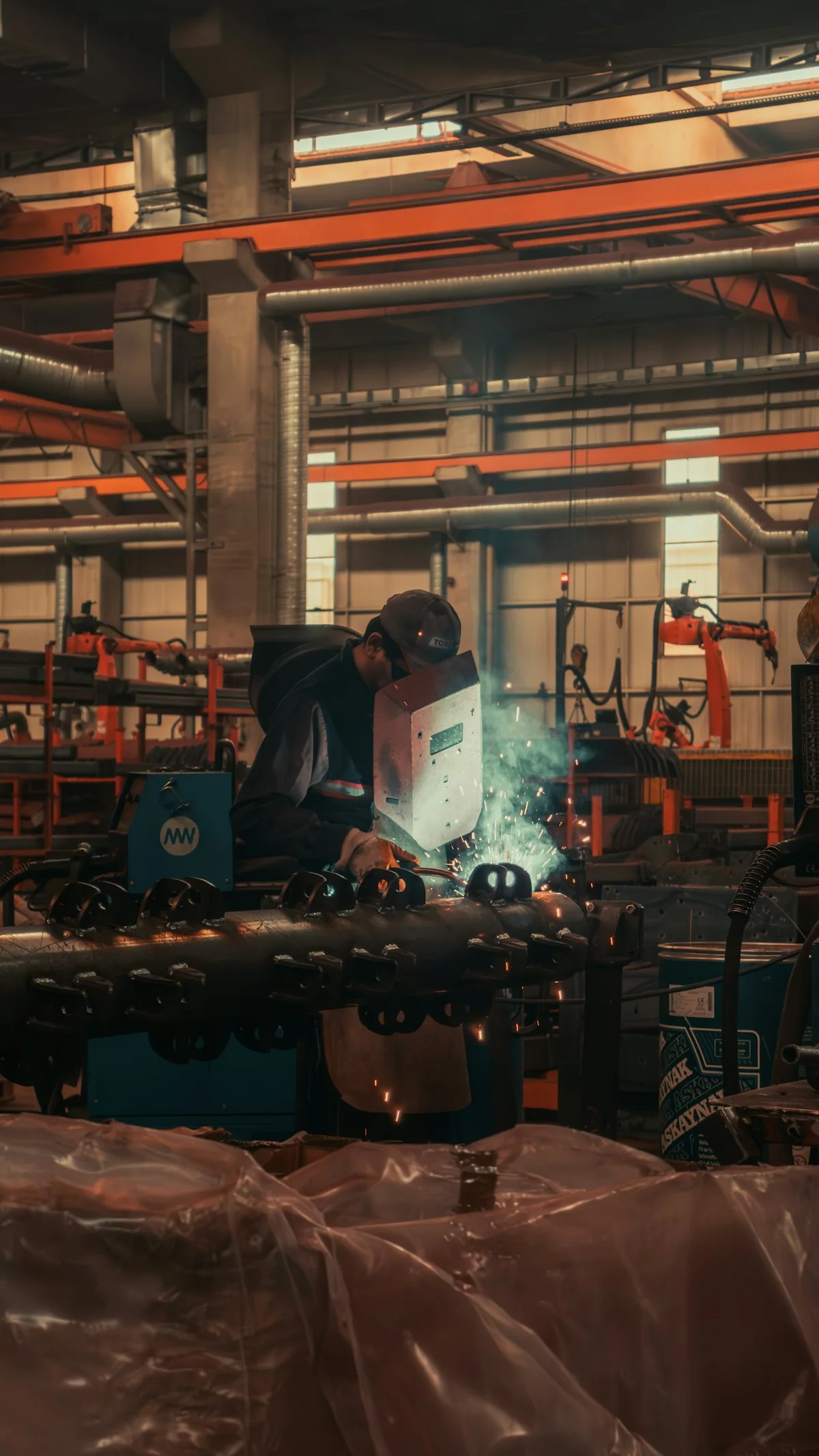
Low Temperature Pulverizers
Stay with this route when a defined temperature limit applies and the cooling method can be matched to your site. Keep the measurement point in every comparison.
Cryogenic Pulverizers
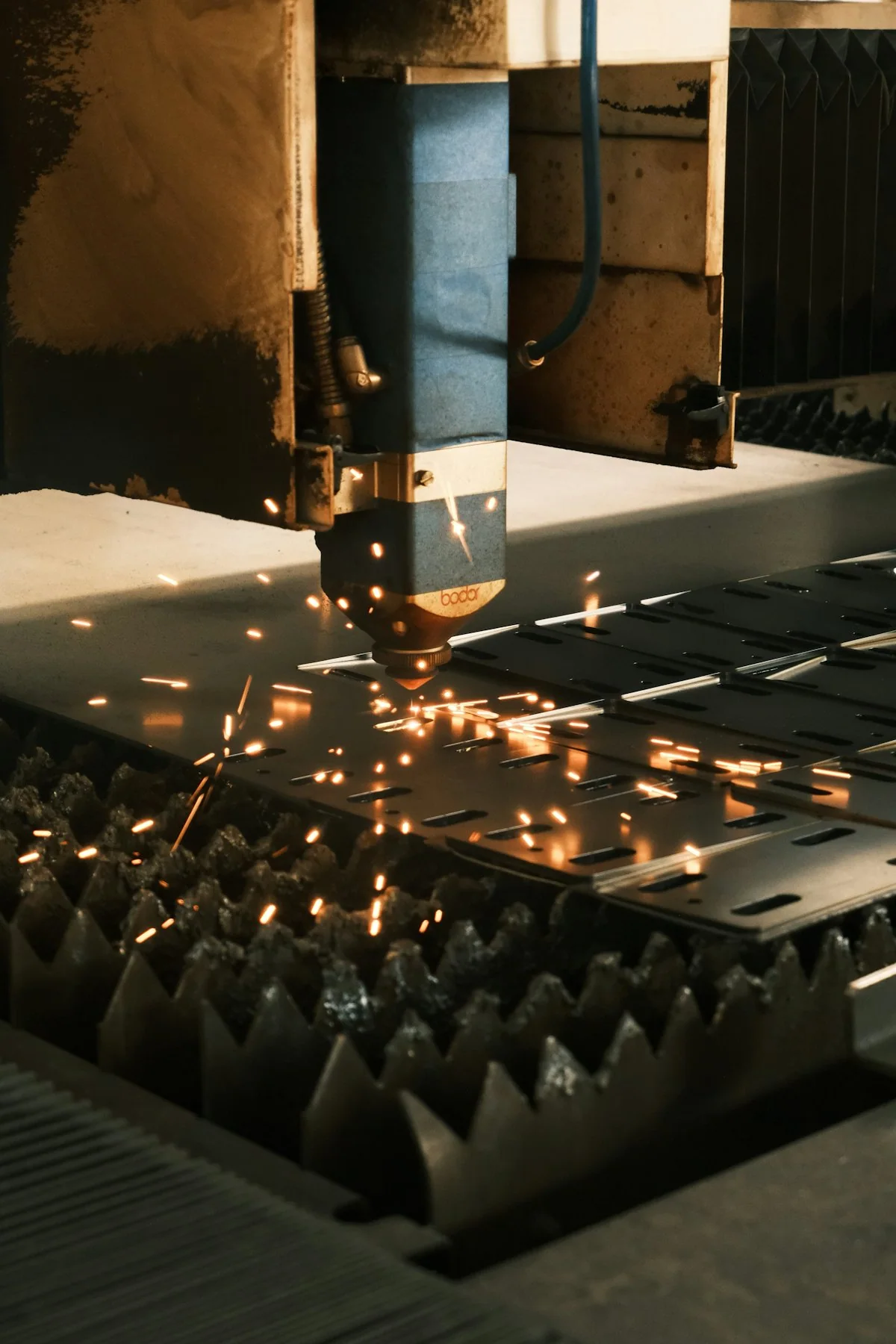
Compare this route when the material needs embrittlement or stronger cooling. Review nitrogen supply, storage interface and site safety together with the mill.
FAQ
How is this different from liquid-nitrogen grinding?
Compare the confirmed cooling method and equipment configuration. The phrase low-temperature alone does not establish a separate process; the published series specification must explain the difference.
Is the displayed temperature the material temperature?
Check the stated measurement point. A cooling-medium, chamber or control setting must not be presented as the material discharge temperature without supporting data.
Can you guarantee a temperature for my material?
A project requirement must be reviewed against the material, throughput and cooling arrangement. Any agreed temperature commitment needs a defined measurement method and operating conditions.
What should I include in the enquiry?
Share the material, powder target, hourly target and temperature-related concern. Add available utility information and any previous test or processing data.
Can this be customized for my process?
Yes. Describe the configuration or specification you need, together with the material or machine reference. Feasible options, drawings where required, and the final supply scope are confirmed before production.
Discuss Your Temperature Target
Share the material, powder target and the temperature condition you need to control. State where the temperature is measured and which cooling services are available, if known.
Include the details you already know. You do not need every specification to start.
What to Include
Use the details you already know. A model number is not required to begin.
1. YOUR MATERIAL
Material name and condition; largest starting dimensions; a photograph when available.
Describe thickness, mixed shapes or other details that affect feeding.
2. YOUR OUTPUT
Required powder, smaller pieces or regrind; the next process; the output specification and its measurement basis when known.
State the desired hourly throughput as a target, not a confirmed machine result.
3. YOUR SITE
Country/region; known power supply; available floor space and height; existing equipment; relevant cooling or nitrogen arrangements.
4. YOUR CONFIGURATION
Standalone machine, replacement machine or connected line.
Describe requested changes to feeding, discharge, cooling, controls, layout or connections.
7. WHAT TO AGREE IN THE PROPOSAL
Selected equipment; standard items; options; items supplied by others; relevant test/acceptance basis; documents; support and delivery responsibilities.
Please do not send unnecessary personal documents, passwords or unrelated confidential files.