China Pulverizer Factory
Turn your material into powder with a grinding setup matched to the feed, particle-size target and temperature needs. Compare ambient-temperature, low-temperature and liquid-nitrogen options, with configuration choices for feeding, cooling and collection.
On This Page
Compare Grinding Routes
Choose the grinding approach around the behaviour of your material and the powder you need. The names below are navigation routes: low-temperature requirements may lead to a liquid-nitrogen configuration, so cooling method and process target should be compared together.
If your material seems to sit between routes, describe what happens to it during grinding today. The same material can be reviewed against several routes before a configuration is proposed.
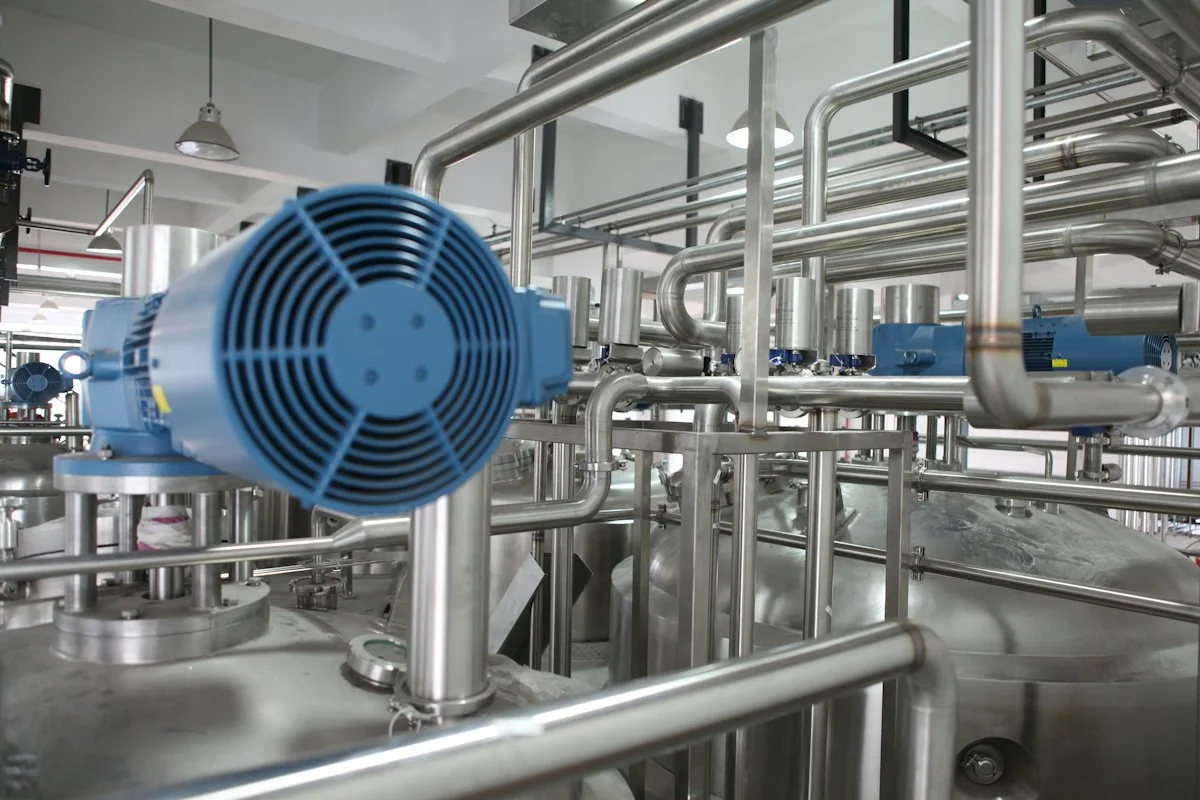
Ambient Temperature Pulverizers
Consider this route when your material grinds without softening or sticking in normal workshop conditions. Ask how the selected model handles heat build-up during continuous grinding.
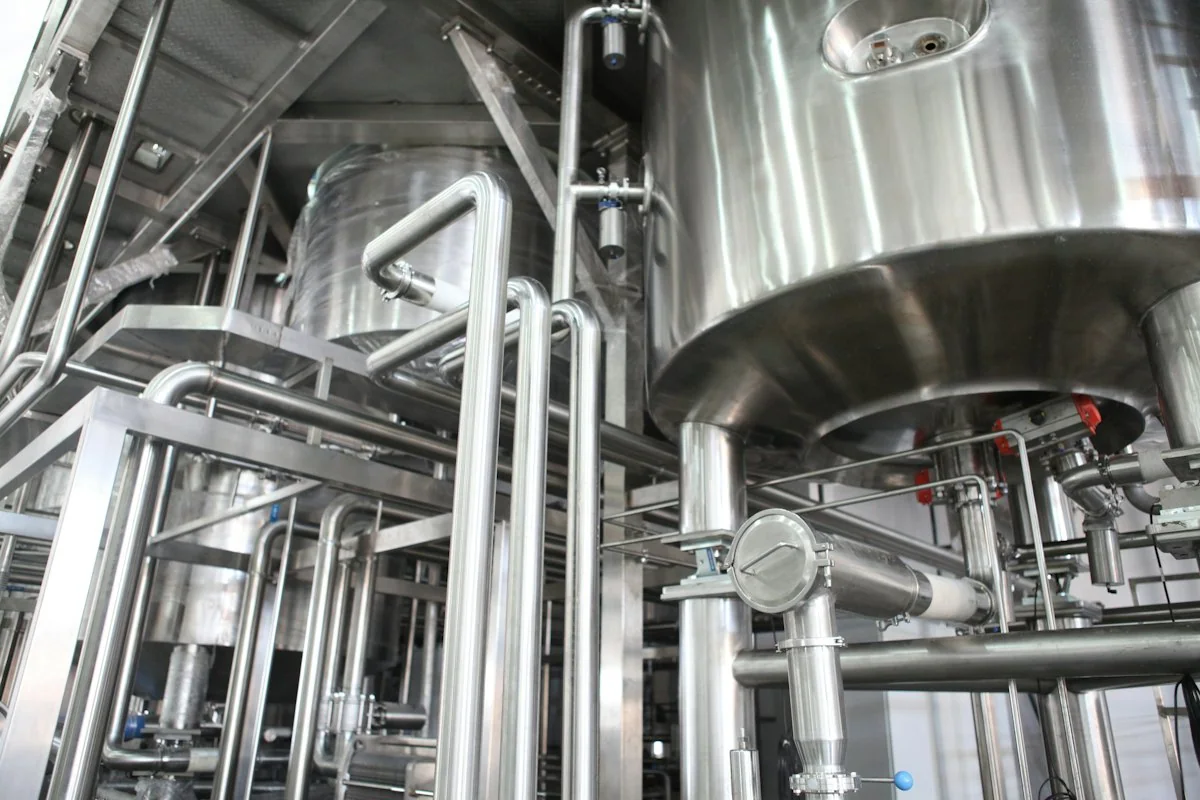
Low Temperature Pulverizers
Review this route when heat changes your material during the current process or a processing limit applies. Discuss where cooling is applied and where temperature is read.
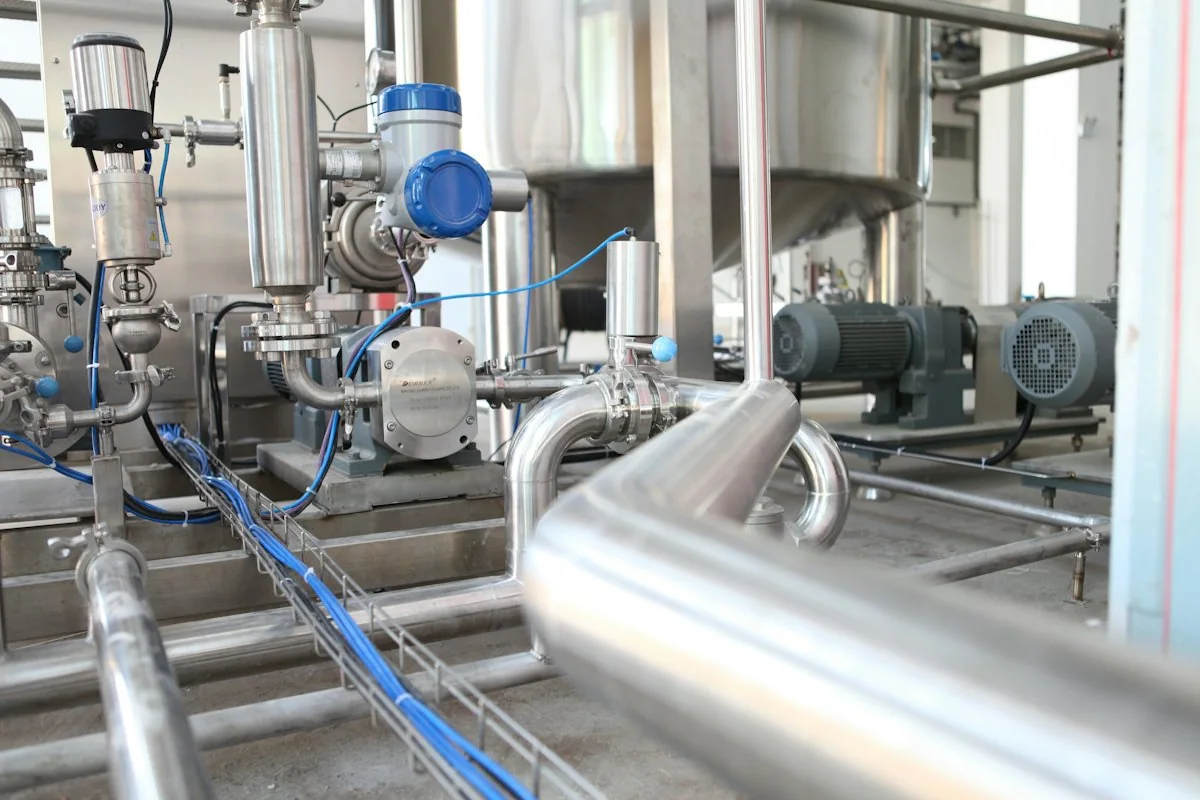
Cryogenic Pulverizers
Review this route when your material may need embrittlement to reach the powder target. Plan nitrogen supply, storage interface and site safety review alongside the mill.
| Route | Start Here When | Key Discussion |
|---|---|---|
| Ambient Temperature | You want to assess grinding without a liquid-nitrogen route. | Feed condition, powder target and heat management. |
| Low Temperature | Temperature behaviour limits the current process. | Cooling method, measurement point and site services. |
| Liquid Nitrogen | Embrittlement or stronger cooling is being considered. | Material trial basis, nitrogen use and supply scope. |
Define Your Powder
Tell us the required particle-size specification and how it will be checked. An approximate mesh description is a useful starting point, but the acceptance method and required proportion of material within range should be agreed.
A clear powder definition lets you compare proposals on the same basis. Agree the sieve standard or measuring instrument early, and keep reference samples of your current feed and of any powder you have already accepted.
- Material name, grade and current form
- Feed size as it will reach the mill
- Target particle size and the standard you use
- How the powder will be tested and by whom
- Reference samples of feed and accepted powder
- Next use of the powder and any purity concerns
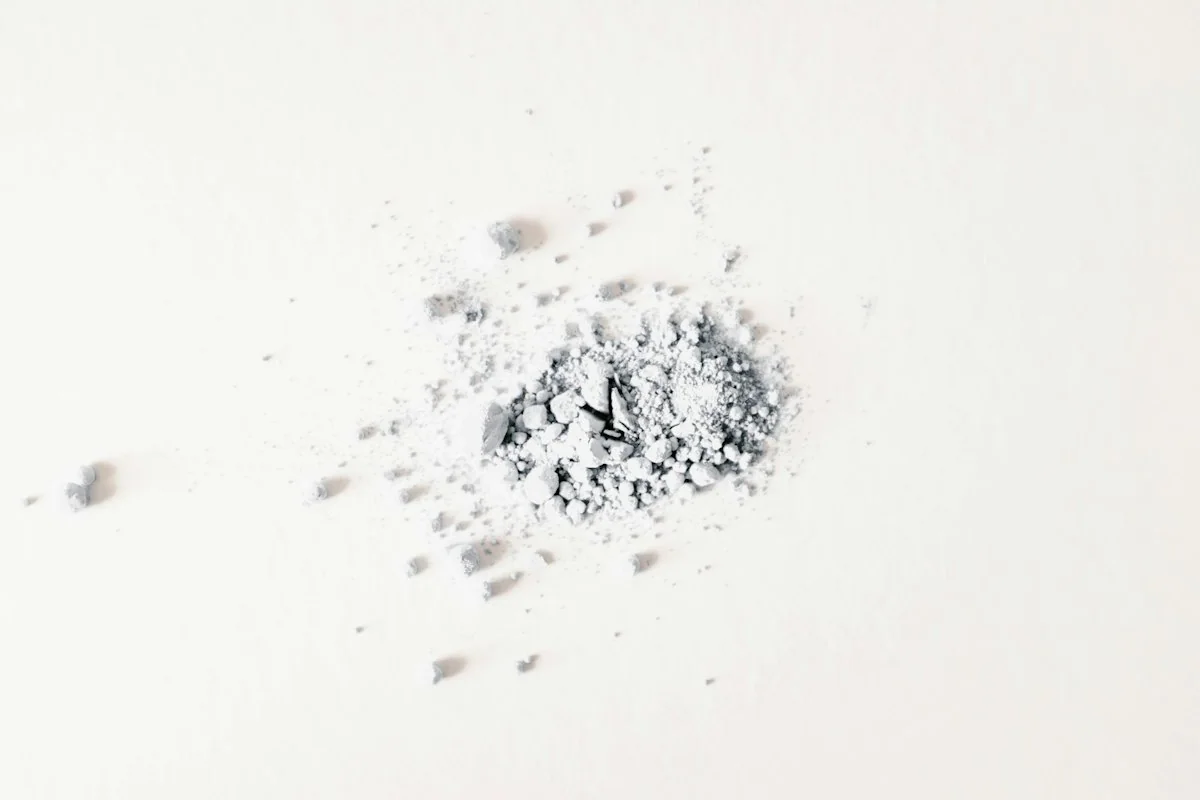
If you have no test data yet, share photos and samples, and treat appearance alone as a starting point rather than proof of meeting the specification.
- Material
- Feed Size
- Target Particle Size
- Acceptance Method
Compare Available Models
Review the models in each grinding group using the same confirmed fields. Compare feed requirements, motor power, temperature arrangement and throughput conditions rather than a capacity number alone.
Where a field is blank, ask for the confirmed value rather than estimating it from a similar model.
Grinding Route
Check which route the model is listed under and how it handles heat. Compare models within the same route against your material behaviour first.
Feed Requirement
Confirm the largest feed size and condition the model accepts. If your material arrives larger, an upstream reduction step may be needed before the mill.
Power
Read installed power as part of the specification, not as a measure of output. Check that your site supply matches the motor and any auxiliary equipment.
Capacity Basis
Ask which material, feed size and powder target produced a listed capacity. A figure recorded on a different material is not a forecast for yours.
Discuss My Configuration
Not sure which listed model fits your feed? Share the material and powder target for a configuration review.
Prepare the Feed
The material entering a pulverizer must meet the requirements of that model. Share its starting dimensions, moisture condition and any contamination so the need for upstream size reduction can be reviewed.
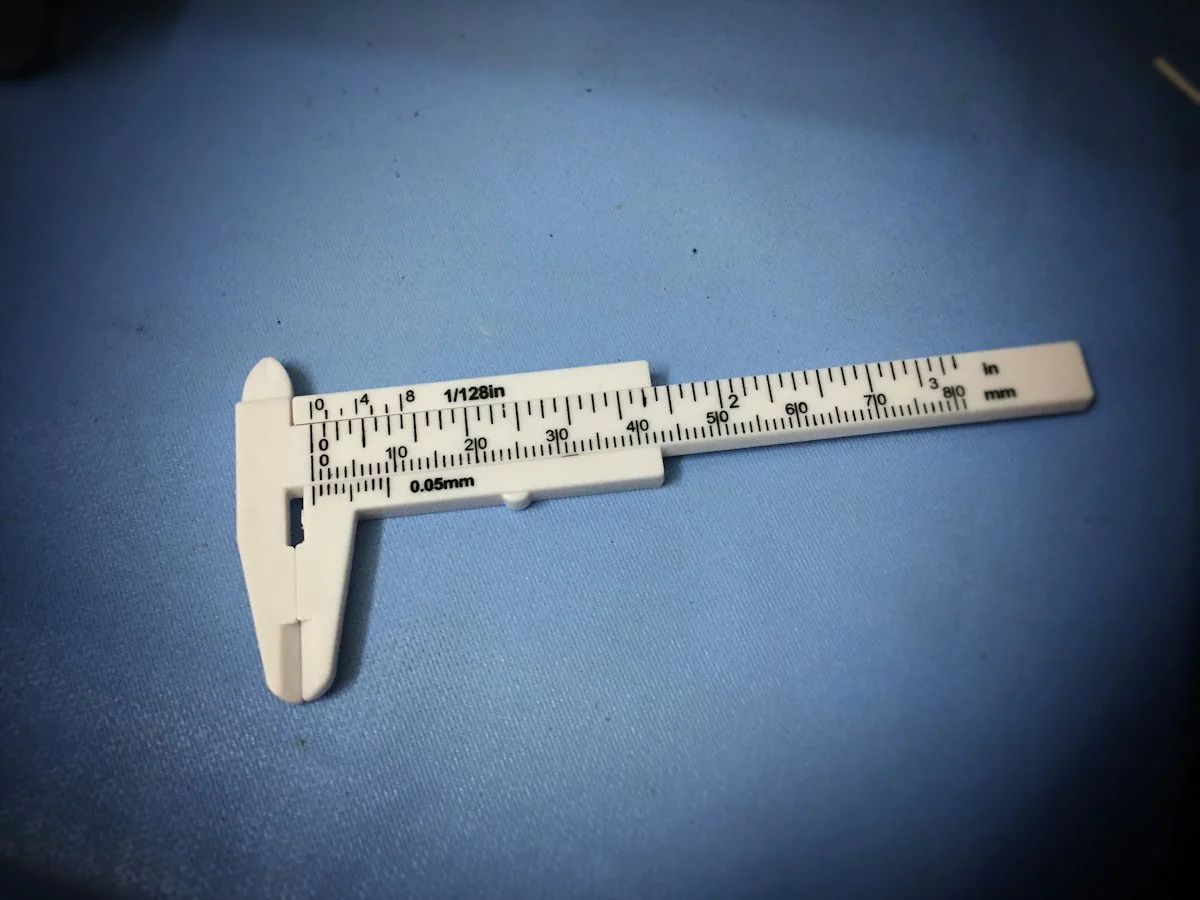
Temporary photo 01Photograph the Feed
Take photos of the material as it arrives, with a rule or tape in view. Include the largest pieces, not only a typical sample.
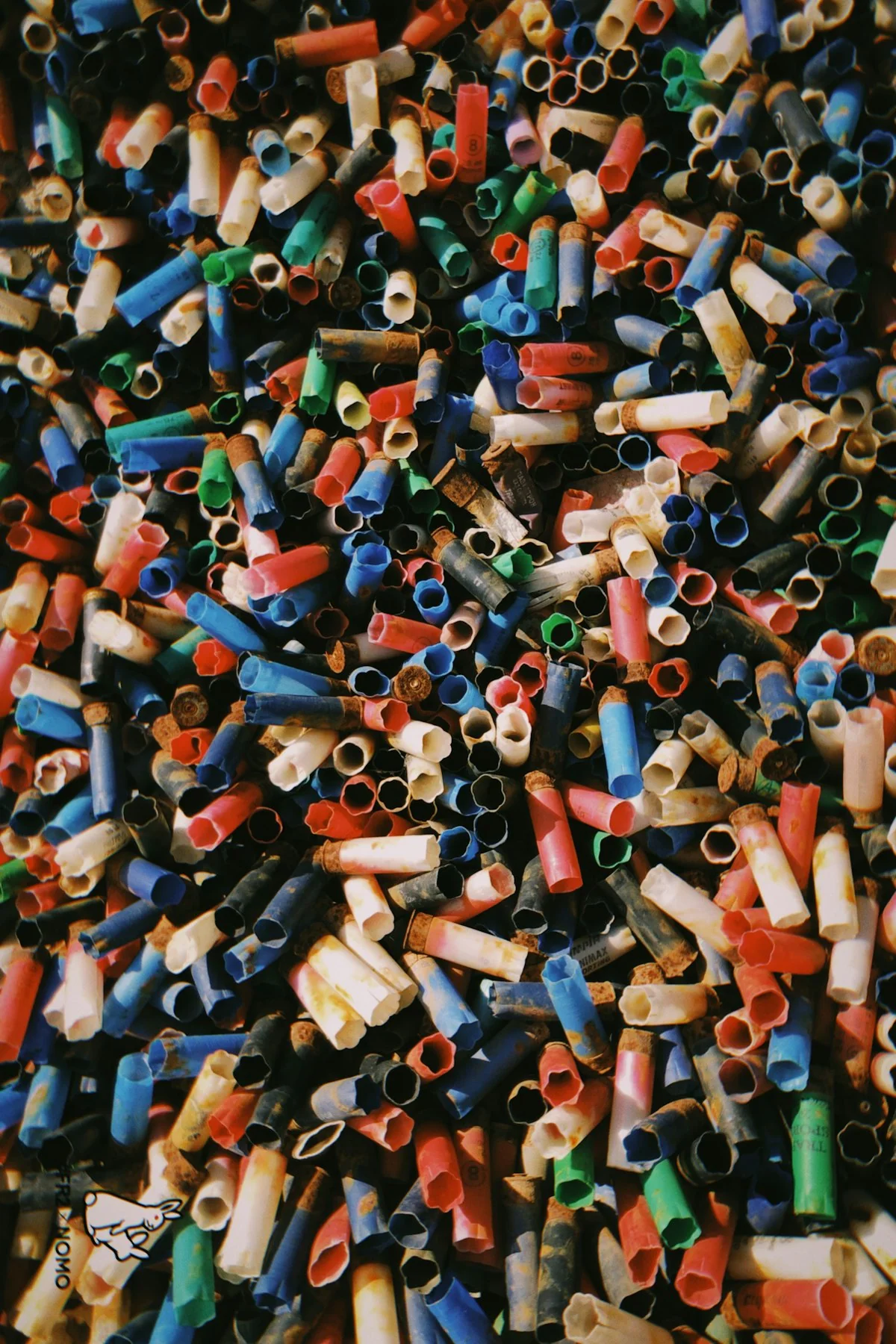
Temporary photo 02Note Moisture and Contamination
Describe whether the feed is dry, damp or oily, and list any metal, stones or labels mixed in. These details shape the feed review.

Temporary photo 03Compare With the Feed Limit
Check your dimensions against the selected mill's stated feed requirement. Ask for that requirement in writing if it is not listed.
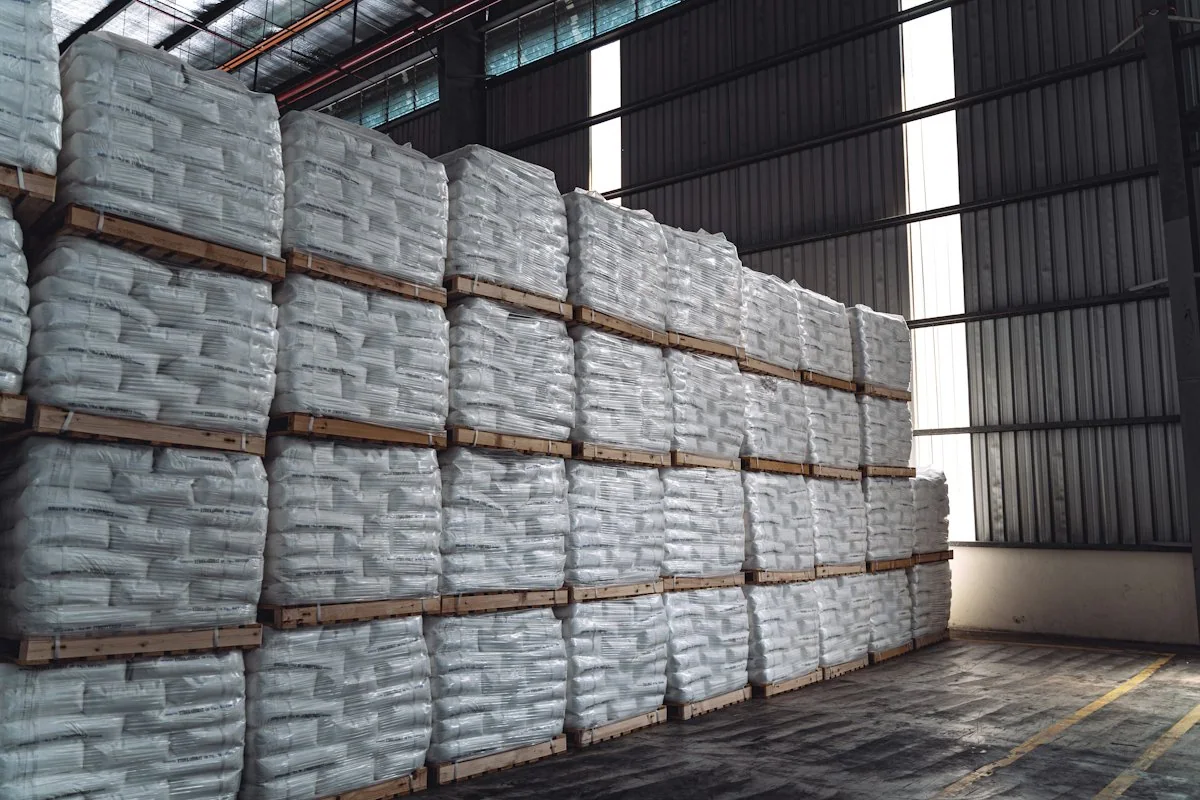
Temporary photo 04Decide on Pre-Reduction
Only when the feed exceeds that limit, review a crusher or a shredder for the upstream step. Feed that already fits can go straight to the mill.
Review Cooling and Collection
Clarify what is included around the main mill, such as feeding, cooling, screening or powder collection. The equipment list and site utilities should match the proposed process rather than a standard-looking diagram.
List every stage you expect around the mill, then ask for each item to be marked in the proposal. This makes proposals easier to compare and shows which utilities your site must provide.
Mark the Supply Status
Ask for each item to be labelled Standard, Optional or By Others. Clarify anything left unlabelled before you compare quotations.
Match Utilities to Process
Check the power, water, air or cooling medium the proposed process relies on. Confirm these against what your site can supply.
Review Powder Handling
Describe how the powder should leave the line, such as into bags, bins or a conveyor. Collection and dust control need to fit that method.
Ask for a Process Layout
Request a layout drawn for your process and space rather than a generic diagram. It helps you check connections, access and floor area.
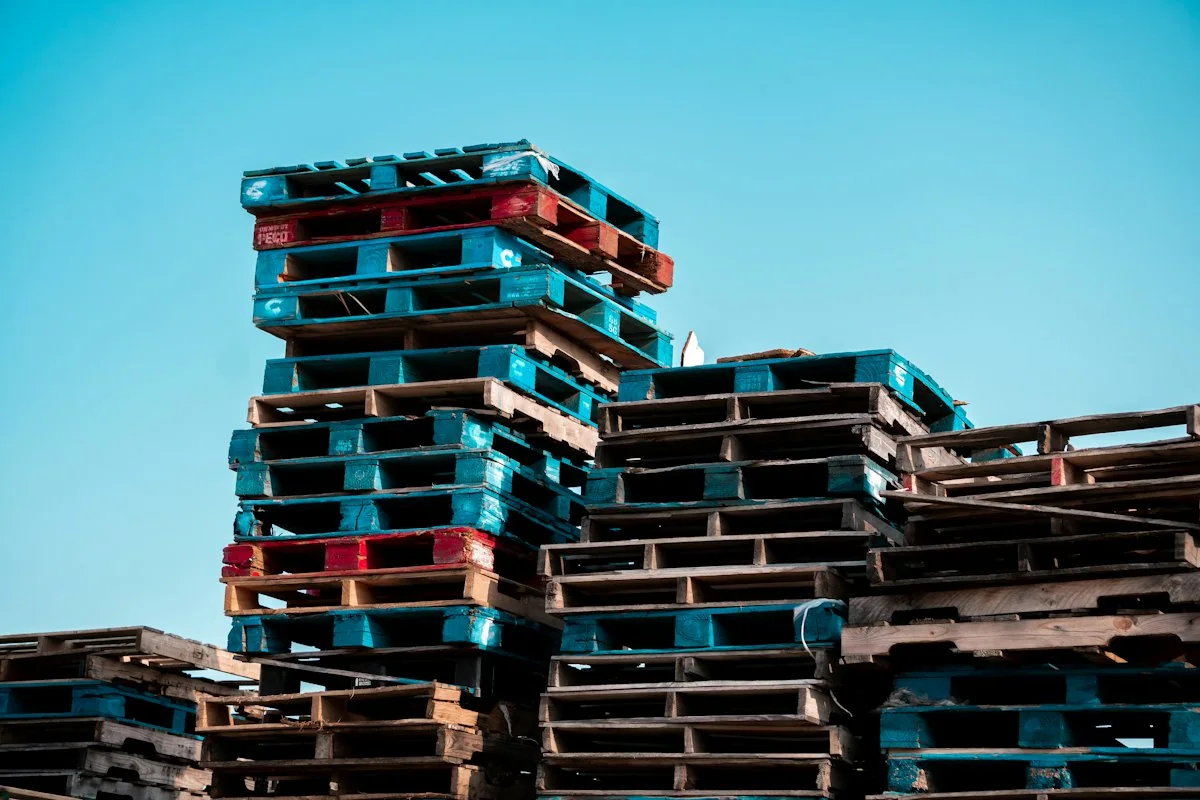
Configure Your Grinding Setup
Discuss feeding, grinding-tool arrangement, cooling, screening and powder collection as a matched setup. Focus the configuration on your material and acceptance target, with the selected equipment and site requirements stated in the proposal.
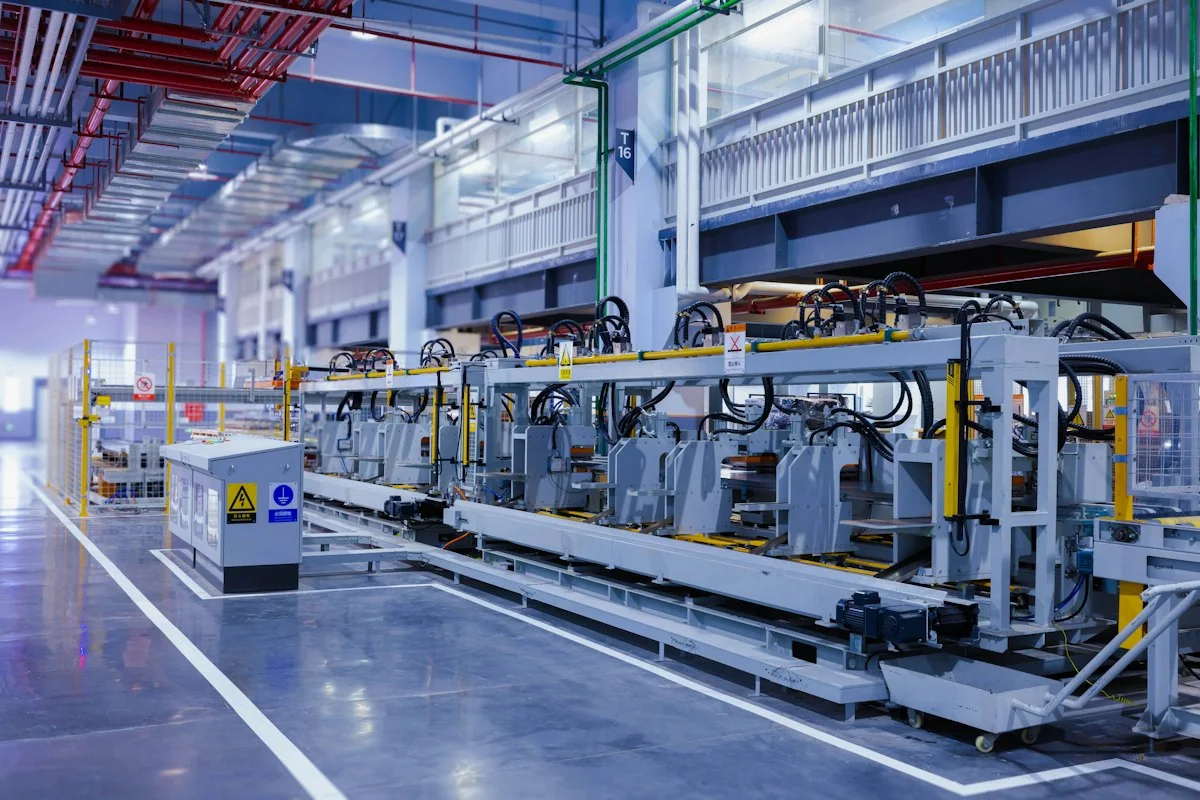
Temporary photo Feeding
Discuss whether manual loading or a metered feeder suits your batch pattern and material flow. Steady feeding makes the grinding result easier to judge.
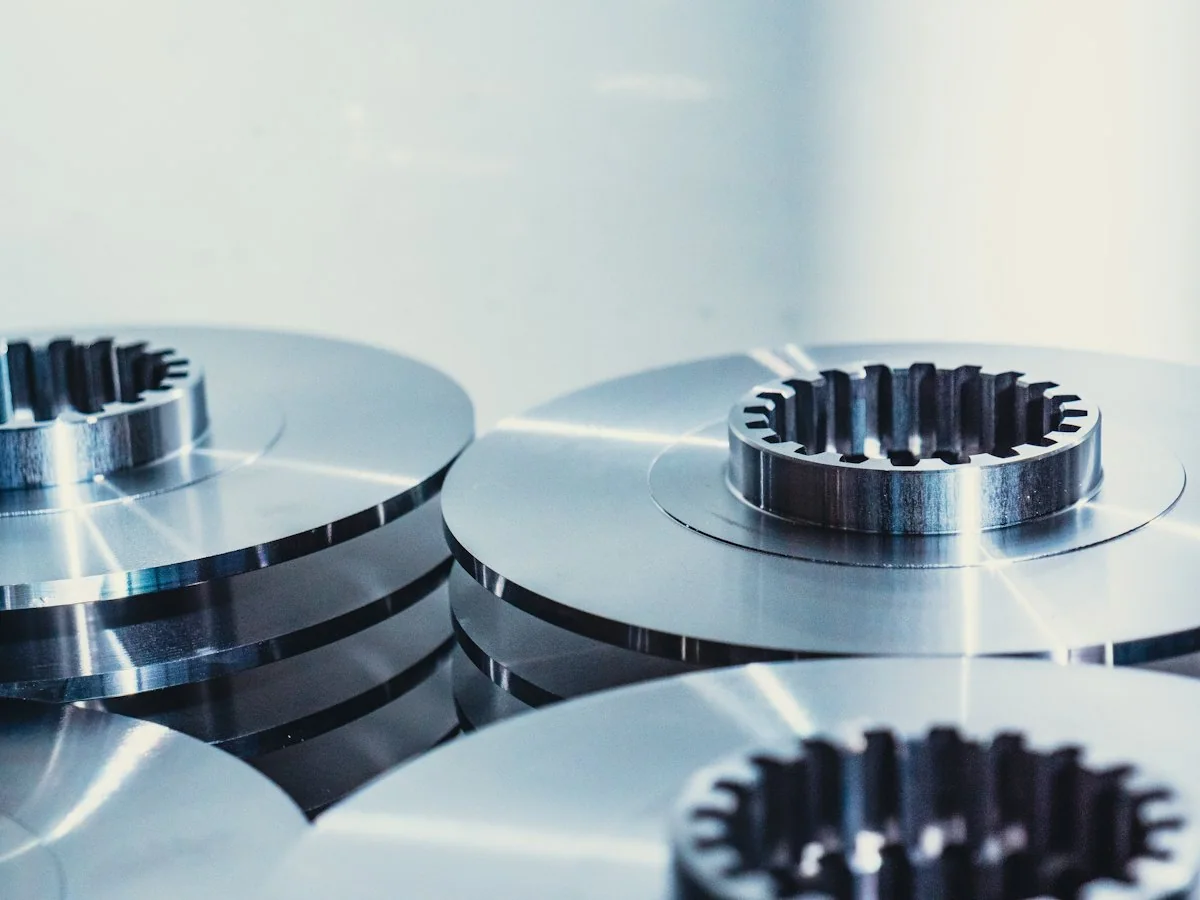
Temporary photo Grinding Tools
Ask which grinding tool type the model uses, such as blades or grinding discs, and how wear is checked. Replacement access matters for your maintenance plan.
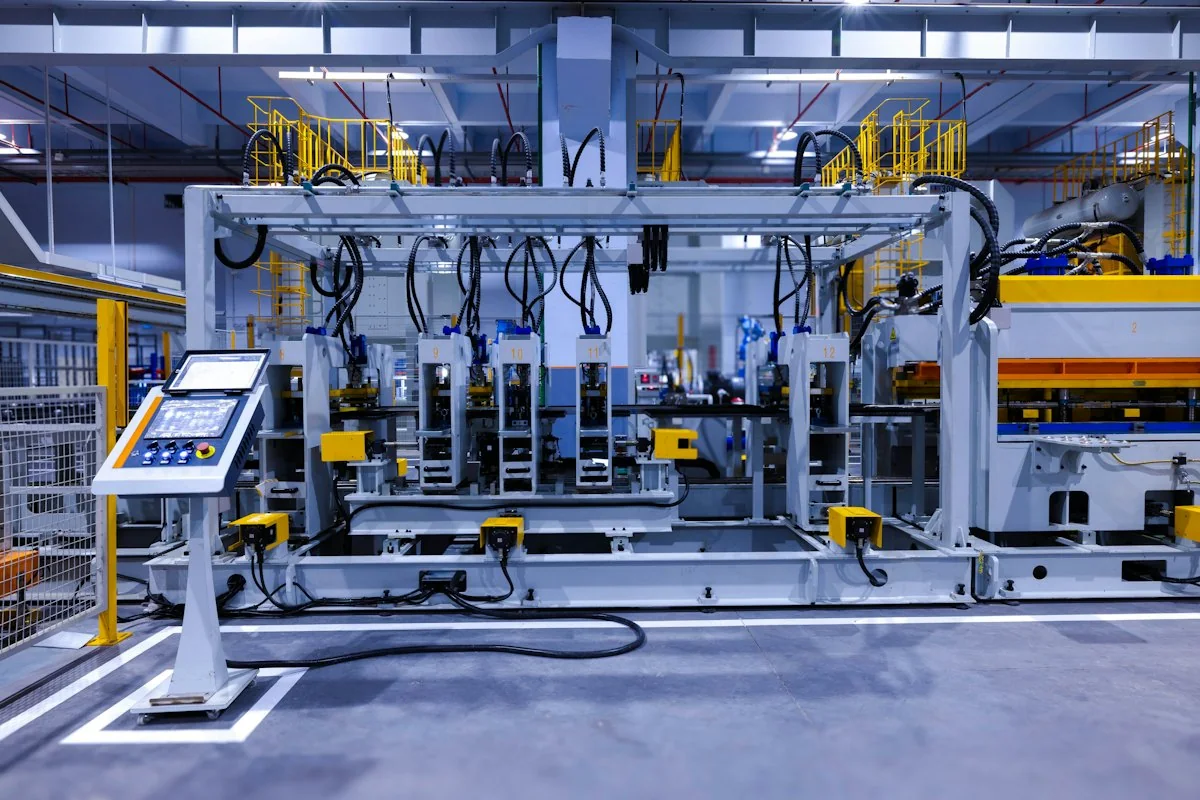
Temporary photo Cooling
Review whether the setup needs water, air or nitrogen cooling, and where it is applied. Choose the option around your material, not the route name.
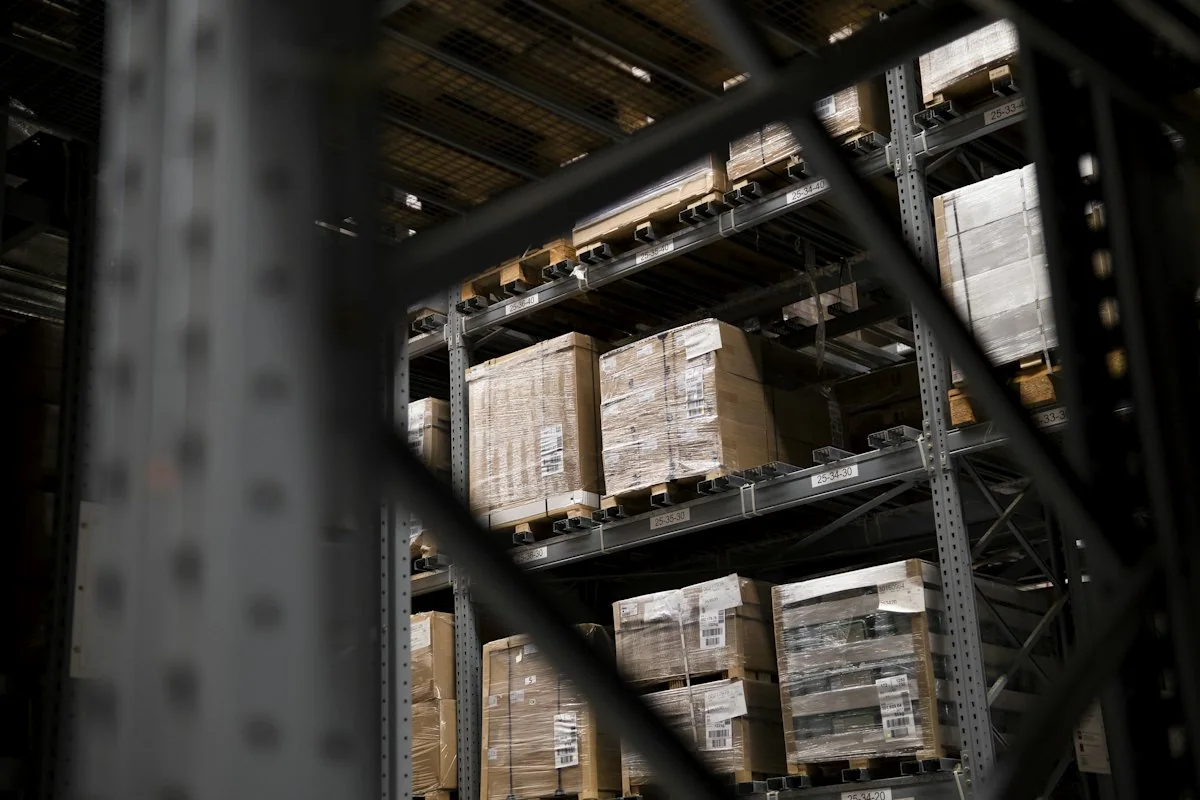
Temporary photo Collection
Discuss how powder is separated, collected and packed, and whether screening is part of the line. Match the option to your downstream handling.
See the Build
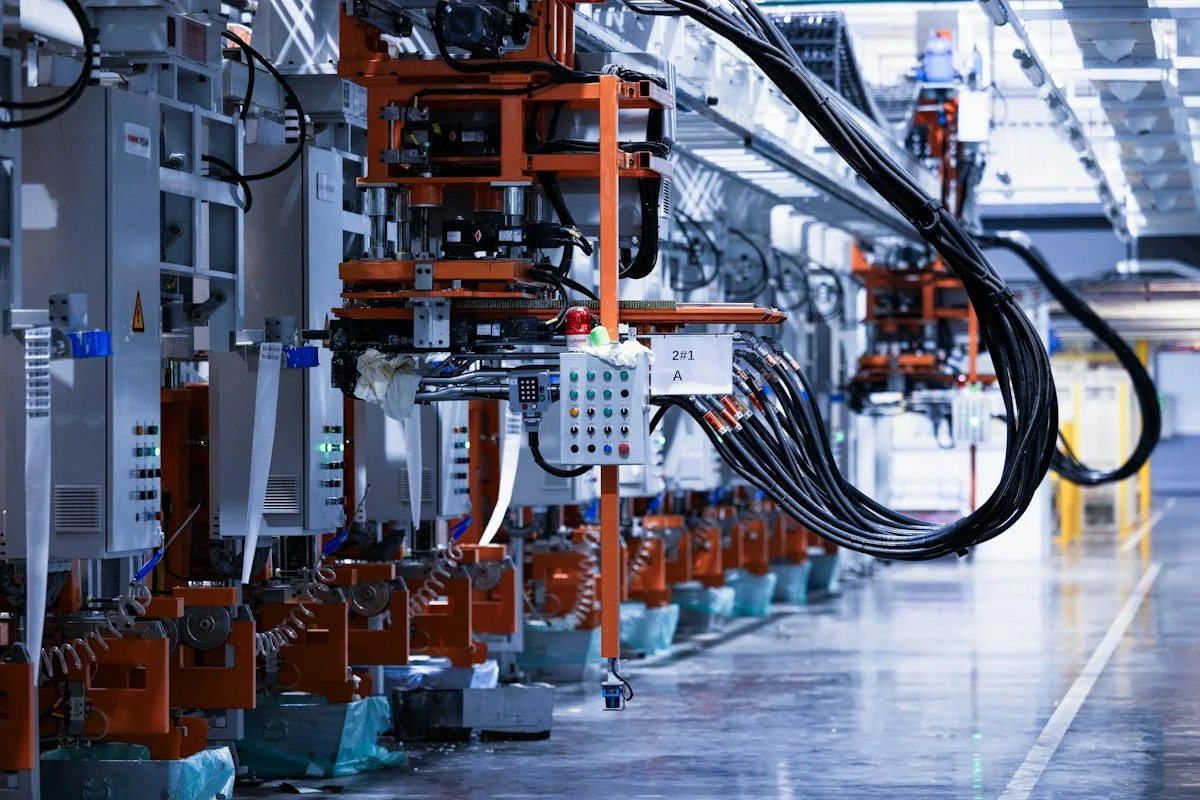
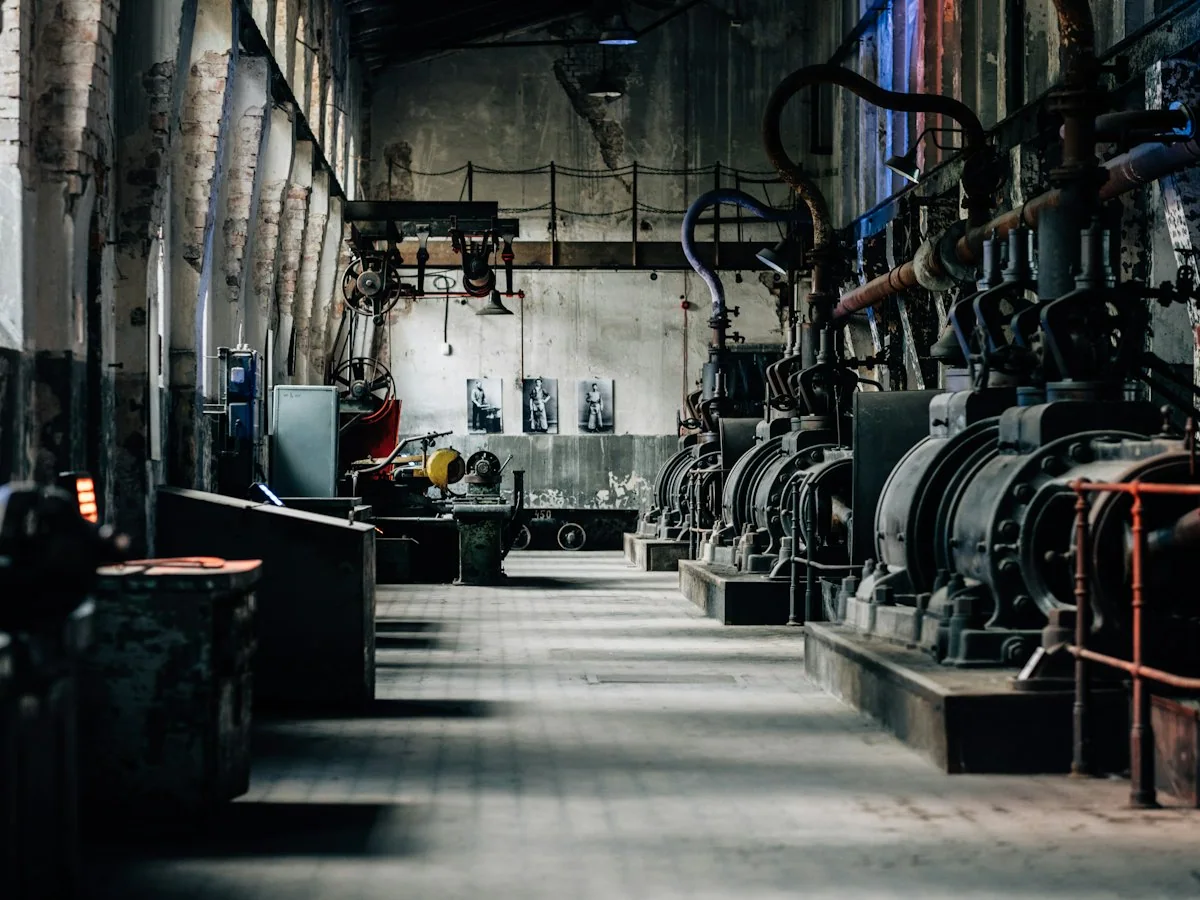
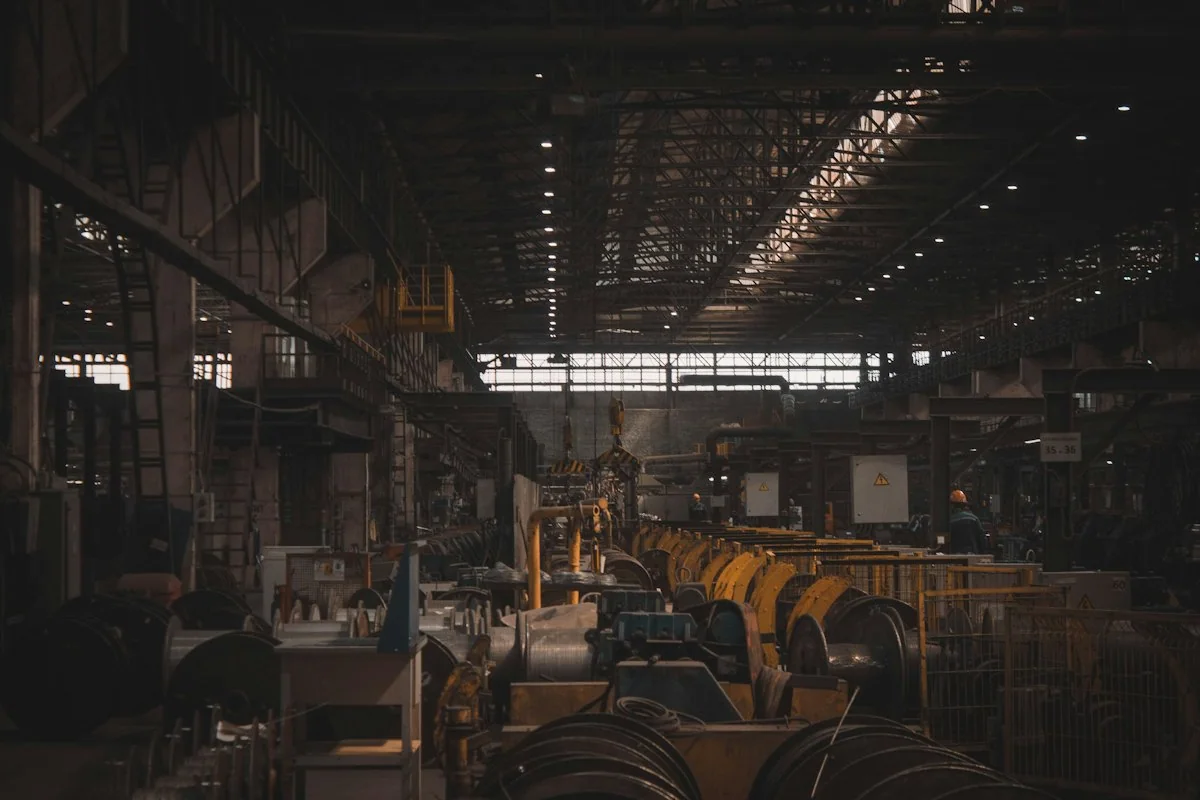
Review real images of the grinding chamber, feeding arrangement and assembly process. Ask for the documents available for the selected model before finalising the specification.
Use build photos to confirm that the machine you are discussing matches the proposed configuration. Ask which images show the selected model and which show a related build, so your review rests on relevant evidence.
Check the Grinding Chamber
Look at the chamber access, tool mounting and surfaces that contact your material. Ask how they are opened for cleaning and inspection.
Review Feeding and Discharge
Compare the feeding and discharge arrangement in the photos with your planned layout and powder handling.
Request Order Documents
Ask which drawings, manuals and inspection records will accompany your order, and when you can review them.
Discuss My Configuration
Share your material, feed photos and powder target to discuss a pulverizer configuration for your process.
FAQ
Is liquid-nitrogen grinding always necessary?
No. The route should be selected around the material response and required result. Cooling requirements need to be assessed rather than assumed from the product name.
Can one capacity figure apply to every material?
Treat a published capacity as applying only to its stated material and operating conditions. Your feed and powder requirements need a separate review.
Can I specify only a mesh number?
You can start with a mesh number, but include the sieve standard or the particle-size specification you use. The final acceptance method should be confirmed.
Do I need a crusher before the mill?
Only when your starting feed does not meet the selected mill’s feed requirements. Send the starting dimensions so the upstream requirement can be checked.
Can this be customized for my process?
Yes. Describe the configuration or specification you need, together with the material or machine reference. Feasible options, drawings where required, and the final supply scope are confirmed before production.
Find the Right Equipment
Tell us what goes in, what you need out and any site requirements. Include the details you already know; you do not need a model number to start.
Include the details you already know. You do not need every specification to start.
What to Include
Use the details you already know. A model number is not required to begin.
1. YOUR MATERIAL
Material name and condition; largest starting dimensions; a photograph when available.
Describe thickness, mixed shapes or other details that affect feeding.
2. YOUR OUTPUT
Required powder, smaller pieces or regrind; the next process; the output specification and its measurement basis when known.
State the desired hourly throughput as a target, not a confirmed machine result.
3. YOUR SITE
Country/region; known power supply; available floor space and height; existing equipment; relevant cooling or nitrogen arrangements.
4. YOUR CONFIGURATION
Standalone machine, replacement machine or connected line.
Describe requested changes to feeding, discharge, cooling, controls, layout or connections.
7. WHAT TO AGREE IN THE PROPOSAL
Selected equipment; standard items; options; items supplied by others; relevant test/acceptance basis; documents; support and delivery responsibilities.
Please do not send unnecessary personal documents, passwords or unrelated confidential files.